







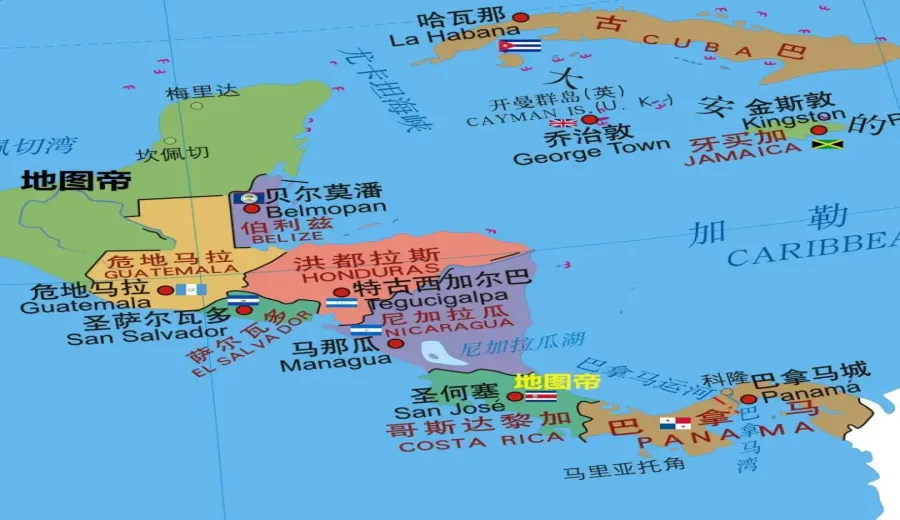
Introduction:As the world’s fifth-largest coffee-producing country, Honduras not only boasts a large output but is also renowned for its high-quality coffee. This article delves into the history of Honduras’ coffee industry, how its geographical environment influences coffee flavors, and provides a detailed breakdown of the characteristics of the country’s six major producing regions, as well as its elevation-based coffee grading system — helping you gain a more comprehensive understanding of this Central American coffee powerhouse’s unique charm.
Located in Central America, Honduras is the world’s fifth-largest coffee producer and the largest coffee exporter in the region. Although it started relatively late, its exceptional natural conditions allow Honduran coffee to maintain outstanding flavor quality while ensuring high yields. From the introduction of the first coffee plant by the Spanish in the 18th century, through challenges such as hurricanes and leaf rust, to its current status as a significant player in the international market, Honduras’ coffee industry journey is one of resilience and potential.
Central America consists of eight countries, mostly characterized by plateaus and mountainous terrain. The Cordillera mountain range runs through the entire region, creating numerous volcanoes and canyons, along with a warm, humid climate and fertile volcanic soil — all ideal for coffee cultivation. Although Honduras started a bit later compared to neighboring coffee regions like Guatemala and Nicaragua, its natural environment and geographical conditions are by no means inferior.
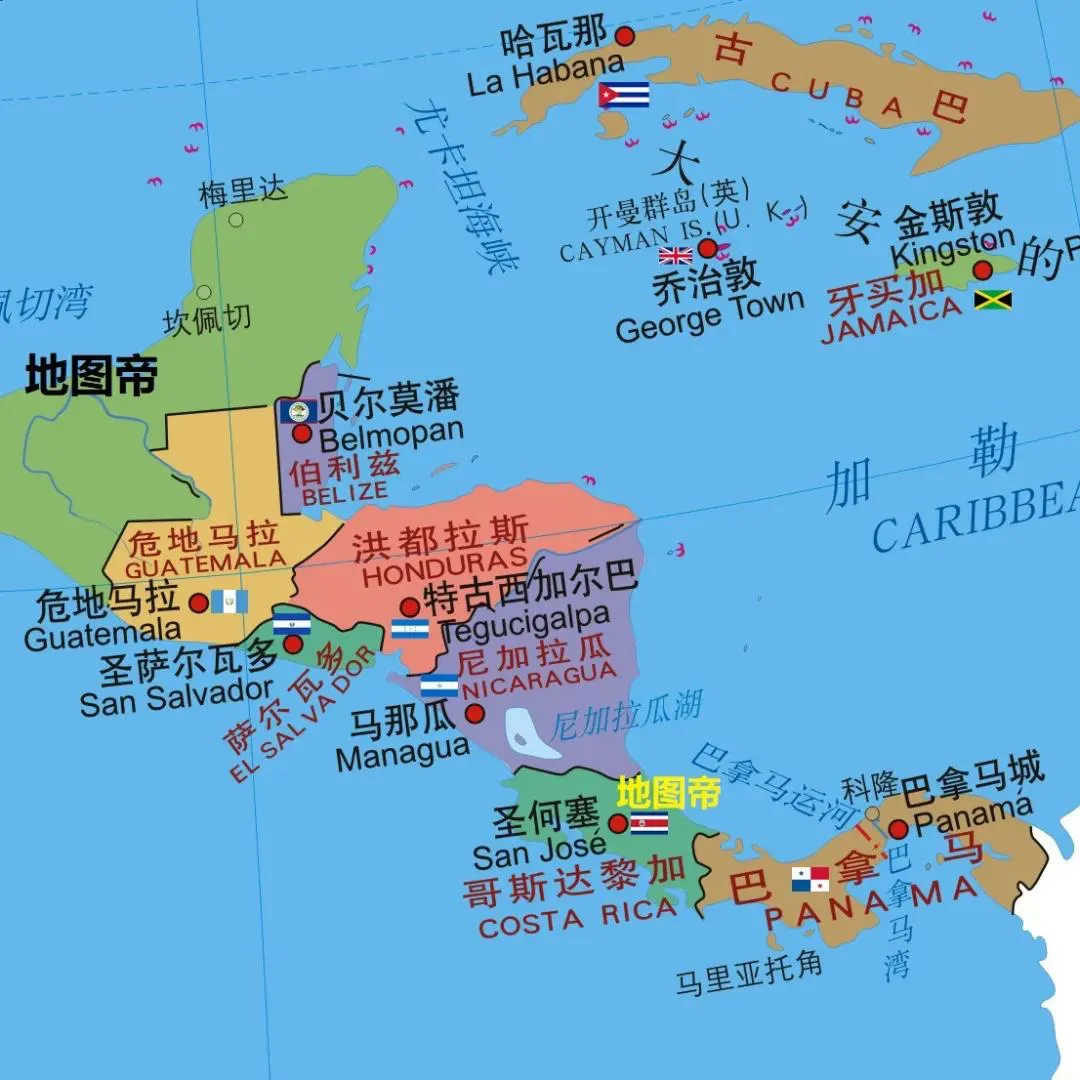
Mountains cover over 75% of Honduras’ total land area, with an average elevation ranging between 900 and 1500 meters. The country has a typical tropical climate, with an average annual temperature of around 23°C, featuring mild weather and abundant rainfall. This combination of terrain and climate creates an optimal environment for growing specialty coffee. Especially in high-altitude areas, not only is there a significant day-night temperature difference, but it also promotes sugar accumulation in coffee cherries, thereby endowing the coffee with richer flavor complexity and aromatic expression.
Currently, Honduras is divided into six major coffee-producing regions: Copán, Opalaca, Montecillos, Comayagua, Agalta Tropical, and El Paraíso. All these regions sit at elevations of 1100 meters or higher, and each, due to differences in geographical location, climate features, and microclimates, produces coffee with distinct flavor profiles.
Among these regions, Opalaca has recently gained significant international attention, achieving notable success in competitions such as COE (Cup of Excellence). Located at the border of Santa Bárbara, Intibucá, and Lempira provinces, Opalaca is a mountainous area with its highest peak, Cerro Las Minas, reaching 2870 meters above sea level. The region features fertile volcanic soils, and coffee is grown at elevations ranging approximately from 1100 to 1700 meters. Additionally, Lake Yojoa provides a stable water supply for coffee cultivation in the area.
Thanks to these conditions, coffee from Opalaca typically exhibits bright and delicate acidity, often accompanied by aromas of tropical fruits such as citrus, grapes, and mulberries, with a well-defined flavor profile and excellent overall balance. Common coffee varieties in this region include Bourbon, Catuai, Lempira, and Typica, and in recent years, high-potential varieties such as Geisha have also been gradually introduced. For coffee enthusiasts seeking intricate fruit notes and a balanced sweet-acid profile, Opalaca’s offerings are highly worthwhile exploring.
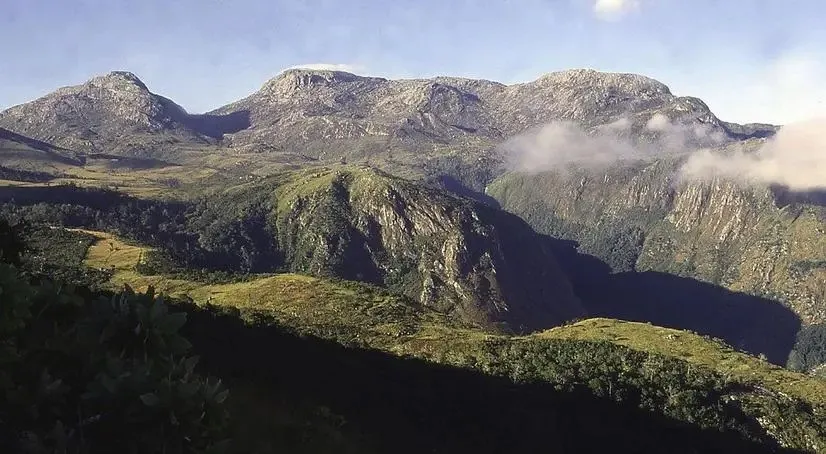
Honduras’ coffee grading system is primarily based onelevationto distinguish the quality and characteristics of the coffee. Generally speaking, the higher the altitude, the slower the ripening process of coffee cherries, which aids in the accumulation of sugars and flavor compounds, thereby enhancing the coffee’s intensity, aroma, and body. The main grading standards used in the country include:
SHG (Strictly Hard Grown, 嚴格高海拔種植):Refers to coffee grown at elevations above 1200 meters, typically characterized by hard bean density, intense flavors, and bright acidity — a symbol of high-quality coffee.
HB (Hard Bean, 高海拔種植):Refers to coffee grown at elevations between 800 and 1200 meters, which offers good flavor performance, though generally with slightly lower overall finesse and acidity compared to SHG grade.
This elevation-based grading method not only helps consumers identify the potential flavor characteristics of the coffee but also encourages farmers to focus on high-altitude cultivation, further enhancing the overall quality and market competitiveness of Honduran coffee.
In summary, the reason Honduran coffee stands out in the international market lies not only in its advantageous natural environment but also in years of continuous technical improvement and industry adjustments. Whether you’re a coffee novice or an experienced enthusiast, gaining a deeper understanding of the geographical features and elevation grading of Honduras’ various producing regions can help you select coffee that better suits your taste preferences and explore a wider range of flavor possibilities.
The above content is compiled by CoffeeHunters, a coffee news website.


