







Introduction:Recently, the Nairobi Coffee Exchange in Kenya reopened, with the average auction price of Grade AA green coffee beans reaching $275 per bag, an increase of 15% compared to the previous session, drawing significant market attention. However, behind the rising prices lie challenges such as shrinking production, insufficient processing facilities, disruptions caused by the mpox outbreak, and political instability—all casting uncertainty over the future of the industry. This article delves into the driving forces and challenges behind the price trends, helping you grasp the latest market dynamics of Kenyan coffee.
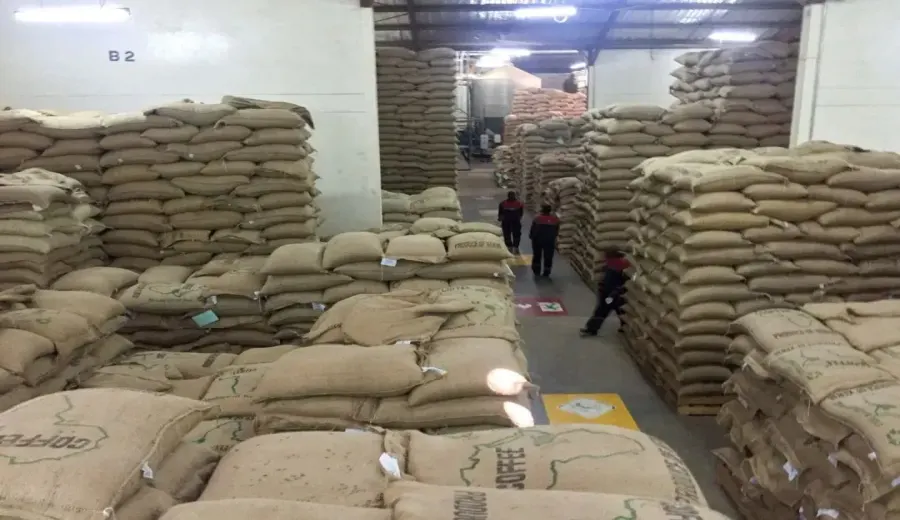
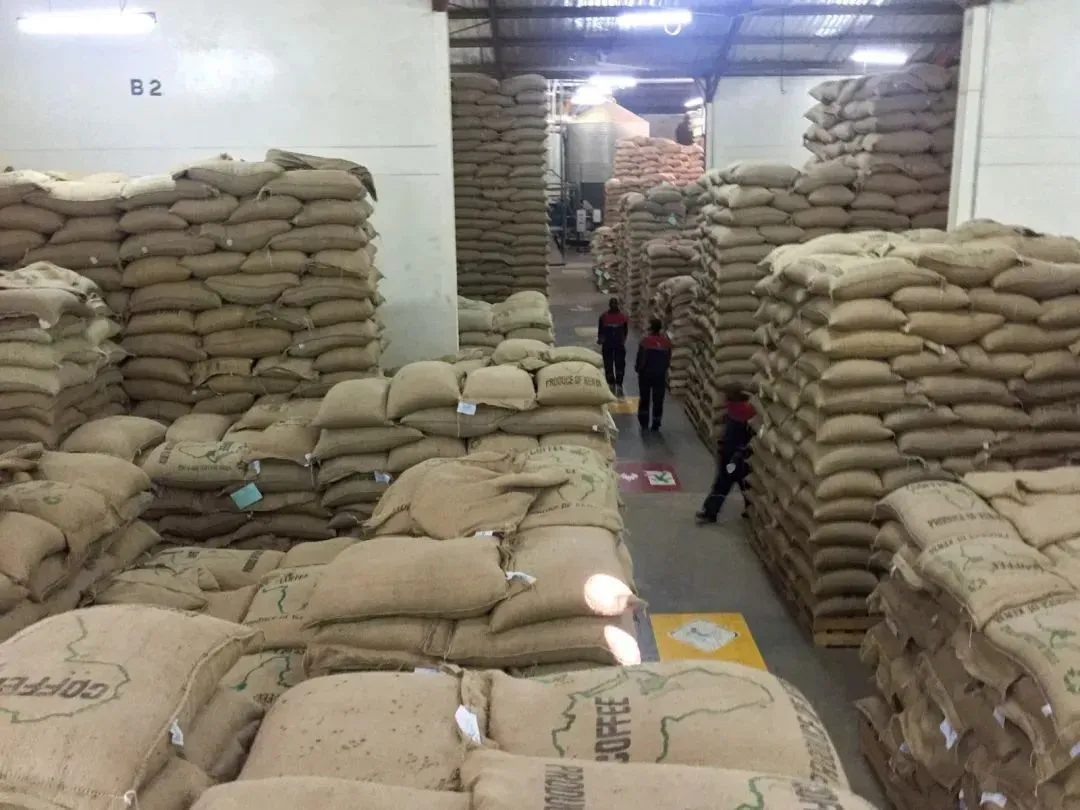
The Nairobi Coffee Exchange (NCE) in Kenya restarted shortly after a brief closure, quickly witnessing a surge in prices. According to official auction data, the average transaction price for Grade AA green coffee beans this time was $275 per bag (each bag weighing 50 kilograms), equivalent to approximately $5.5 per kilogram—an increase of 15% compared to the previous $239 per bag. Meanwhile, the average price for Grade AB beans was $236 per bag, around $4.72 per kilogram, seeing a slight rise of 1.29%.
The Kenyan coffee grading system is clear and strictly enforced, primarily consisting of grades such as AA+, AA, AB, PB, C, E, TT, and T. Among them, Grade AA is regarded as a symbol of high quality, featuring plump beans, uniform size, and low defect rates,making it a highly sought-after grade among international buyers.The high-priced transactions for Grade AA this time also reflect the market's continued strong demand for high-quality Kenyan beans.
The total auction turnover reached $5.5 million, significantly higher than the previous round’s $4.8 million. This price increase is directly linked to the Kenyan government's recent active efforts to reform the coffee industry. One of the directions of the reform is to simplify the supply chain by eliminating unnecessary intermediary links, allowing prices to better reflect supply and demand and enabling farmers to benefit more directly.
However, the supply side is facing multiple bottlenecks. Due to reform policies requiring processing plants to reapply for operating licenses, many substandard processing facilities have been forced to shut down, leading toa sharp decline in the post-harvest processing capacity of coffee cherries.This not only affects production volume but also drags down overall quality performance. Despite rising prices, the total export revenue from coffee still fell by 11.38% compared to the same period last year, highlighting the severe supply-side challenges.
Another major reason for the production decline is the shortage of certified seedlings. The Kenya Coffee Research Institute (CRI) has recently struggled to provide farmers with sufficient high-quality seeds and seedlings due to funding constraints. The number of newly cultivated coffee farms has dropped sharply, and farmers are increasingly facing obstacles in accessing technical support and materials, further limiting production capacity expansion.
In addition, the outbreak of mpox has also negatively impacted the trading environment. Thirteen countries across the African continent, including Kenya, have reported related cases. Due to health concerns arising from the outbreak, many traders have adopted a cautious stance toward African exports—including coffee—worrying about potential contamination during transit, thereby reducing the export competitiveness of Kenyan coffee.
Political uncertainty has further exacerbated industry risks. The Kenyan government’s previously proposed finance bill included new tax items to address the pressure of massive sovereign debt, which sparked strong public backlash. On June 25, large-scale protests broke out in the capital Nairobi and several other cities, resulting in clashes between police and civilians and casualties. To date, the unrest remains unresolved.
Although President Ruto later announced the withdrawal of some tax hike measures and dissolved the cabinet to appease public sentiment, the government still insists on adjusting the tax system, emphasizing that it will help increase national treasury revenue and reduce reliance on foreign debt. However, this move has failed to ease public dissatisfaction, and ongoing political instability has become a major concern for the stable development of the industry.
Industry analysts point out that under the combined pressures of limited supply, disrupted production, and domestic instability, Kenya’s coffee supply is likely to remain tight in the future, and price trends may continue to climb. For global importers and roasters, how to cope with the unstable supply and rising costs of Kenyan beans will be a major challenge in future operations.
The above content is compiled by CoffeeHunters, a coffee news website.


