







Introduction:The total number of Starbucks stores operated by the Maxim’s Group in the East Asian market has officially reached 1,000, with this milestone achieved by a new store in Vietnam. Since entering the Hong Kong market in 2000, Maxim’s has become Starbucks’ key partner in Southeast Asia and the Hong Kong and Macau regions. This article details its expansion journey, store distribution across regions, and highlights Thailand’s future plan to expand to 800 stores, offering readers valuable insights into Starbucks’ overseas strategy.
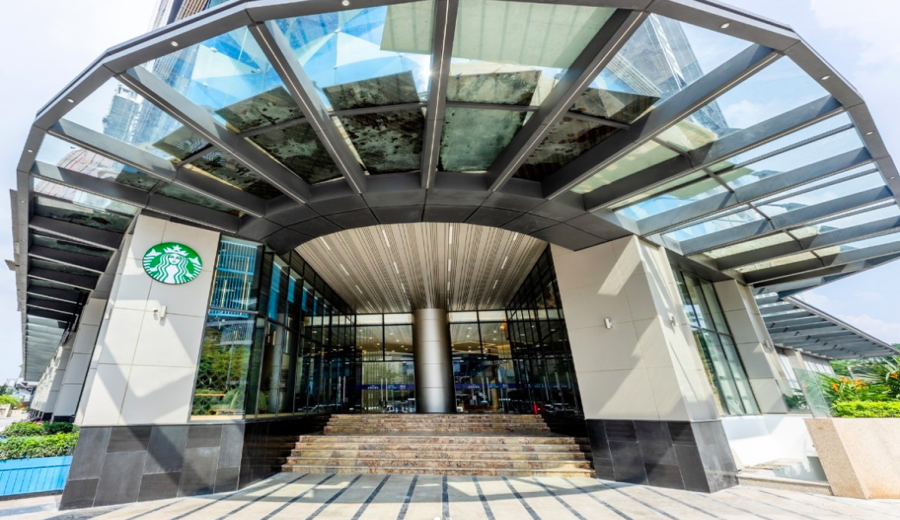
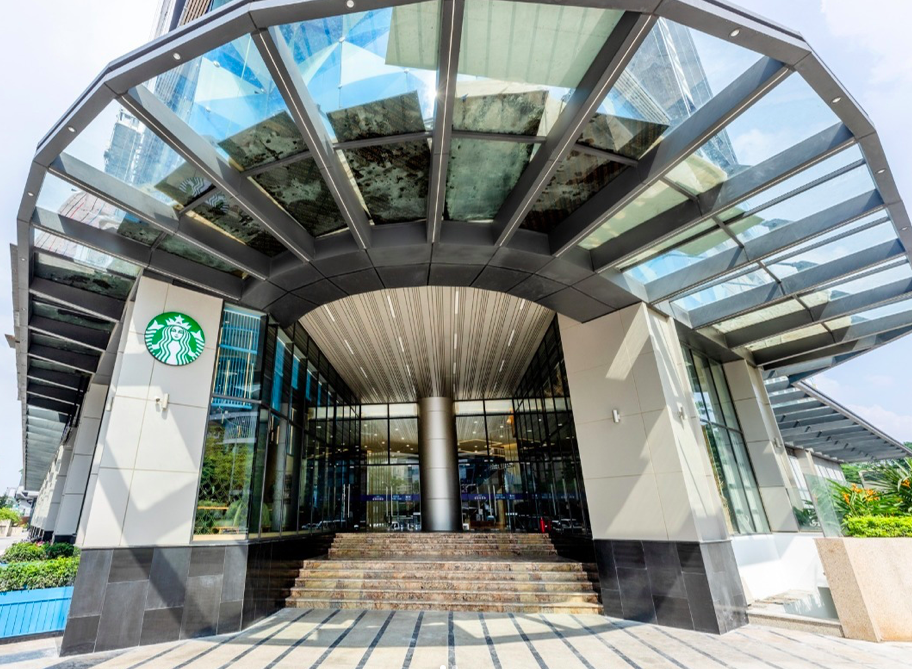
The total number of Starbucks outlets operated by the Maxim’s Group in East Asia has officially surpassed 1,000, with this significant milestone achieved by a newly opened store at Hanoi Diamond Plaza Shopping Mall in Vietnam. Since joining hands with Starbucks to enter the Hong Kong market in 2000, the Maxim’s Group has successfully expanded the Starbucks brand to seven markets, including Hong Kong, Macau, Singapore, Thailand, Cambodia, Laos, and Vietnam, firmly establishing itself as an important franchising partner of Starbucks in East Asia.
Looking back at the history of their collaboration, as early as 2000, the Maxim’s Group partnered with Starbucks to open the first store in Hong Kong and jointly established the joint venture company Coffee Concepts Ltd., gradually bringing Starbucks’ brand and coffee culture to the Chinese market. Subsequently, the two parties continued to expand their presence in South China and the Hong Kong and Macau regions. By 2011, Starbucks adjusted its strategy and took full control of over 140 stores in South, Central, and Western China, while transferring a 5% stake in the Hong Kong and Macau joint venture to the Maxim’s Group, enabling Maxim’s to fully own the operations of Starbucks in Hong Kong and Macau.
Although the cooperation model in mainland China was adjusted, the Maxim’s Group did not stop its progress but shifted its focus to Southeast Asia. In 2017, Maxim’s acquired the operating rights for over 130 Starbucks stores in Singapore; in 2019, it secured the exclusive rights to operate 372 Starbucks stores in Thailand; and in 2022, the two parties joined forces again to open the first Starbucks store in Vientiane, the capital of Laos, further deepening their footprint in Southeast Asia.
As of now, the Maxim’s Group has been authorized to operate Starbucks stores in seven markets, including Hong Kong, Macau, Cambodia, Laos, Singapore, Thailand, and Vietnam. In terms of store count,Thailand leads with 507 stores, followed by Hong Kong with 163 stores, while Singapore and Vietnam have 143 and 115 stores respectively, demonstrating clear regional differences and market potential.
Norbert Tan, Chief Operating Officer of the Maxim’s Group, said in an interview: “Looking back to 2012, when we had only 126 stores in two regions, I am truly honored to be part of such remarkable growth. It is our pride to serve 1,000 communities and grow together with over 10,000 team members in green aprons.”
Looking ahead, the Thai market is seen as a key growth area for the collaboration between Maxim’s and Starbucks. In June of this year, Starbucks welcomed its 500th store in Thailand, with the official opening of a drive-thru location in Bangkok, symbolizing innovation and expansion in the brand’s local service model. Starbucks officials further revealed plans to expand the number of stores in Thailand to800by 2030 to meet growing consumer demand.
This expansion plan will be led by the local franchisee Coffee Concepts Thailand, a joint venture between Singaporean food and beverage company F&N and Hong Kong’s Maxim’s Group. Going forward, in addition to continuously increasing the number of stores, the focus will also be on the development of drive-thru locations and related service facilities to enhance operational efficiency and customer experience, further boosting the profitability of the Starbucks market in Thailand.
This expansion not only reflects the deep collaboration between the Maxim’s Group and Starbucks in the East Asian market, but also mirrors the strategic adjustments and localization trends of global coffee brands in the Asian market. For readers interested in the coffee industry and market dynamics, such a development trajectory offers rich reference value.
The above content is compiled by CoffeeHunters, a coffee news website.


