








Introduction:Coffee cherry husk tea, or Cascara, is made from the outer skin of the coffee cherry. With proper processing, it can be transformed into a uniquely flavored beverage. This article delves into the origins, production process, brewing ratios and techniques of Cascara, and explores its sweet, aromatic characteristics and low caffeine content to help readers master this increasingly popular coffee byproduct—from beginner to advanced applications.
Most people are familiar with coffee beans, but did you know that the skin of the coffee cherry can also be turned into a uniquely flavored drink? This beverage, widely popular in Europe and America, is called Cascara, and in Chinese, we usually refer to it as "coffee fruit peel tea." It’s neither tea nor coffee, but a creative reuse of the outer skin of the coffee fruit.
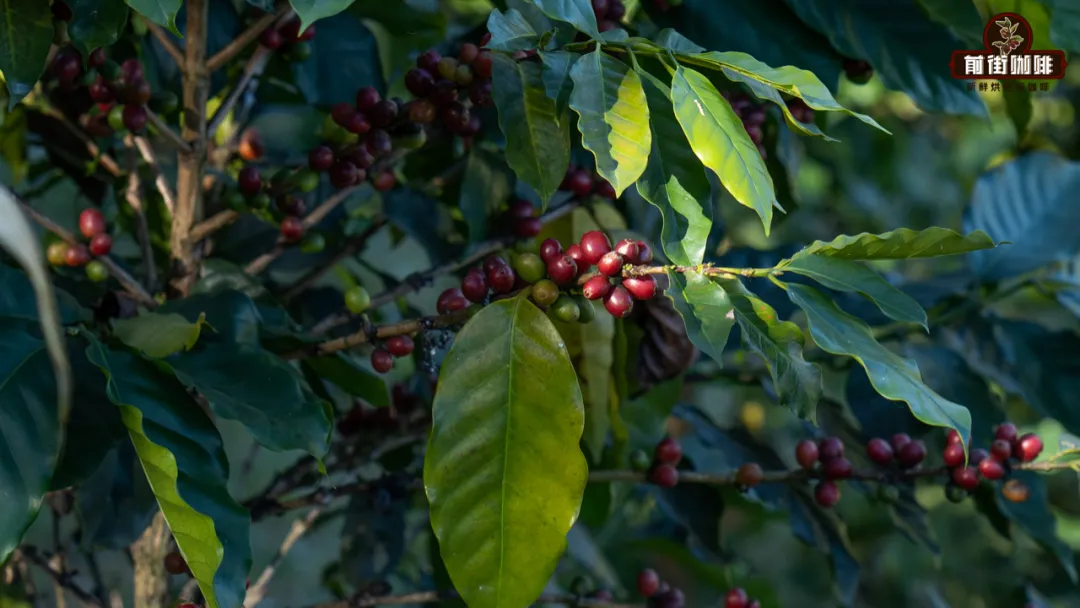
The coffee cherry is the fruit of the coffee tree. When ripe, it resembles a cherry, with a bright red, attractive color. While the focus is usually on the coffee bean inside, which, after roasting, releases rich aromas, the outer skin also has its own value. Traditionally, these skins were often treated as waste during processing, used for compost, or even discarded if of poor quality.

However, all of that changed thanks to a coffee farmer in El Salvador named Aida Batlle. She noticed that sun-dried coffee cherry skins emitted a strong, sweet aroma, reminiscent of cane sugar and subtle rose notes. This inspired her to try brewing the skins, and to her surprise, the resulting liquid was refreshing and sweet, completely free of the bitterness typical of coffee—drinking it was as smooth as tea. This is how Cascara was born, and the word “Cascara” means “husk” or “shell” in Spanish.
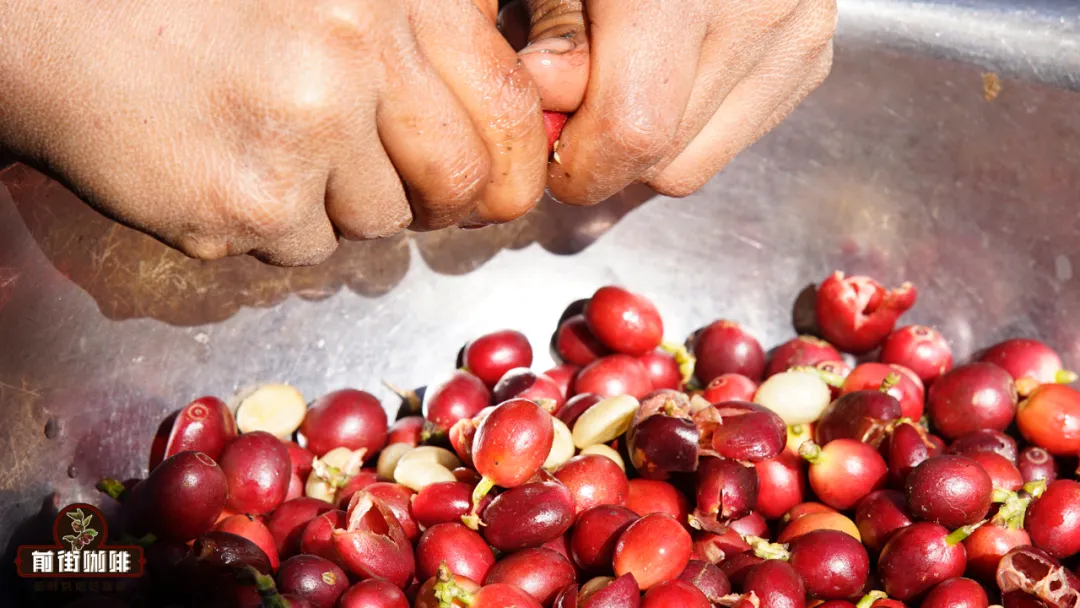
To produce high-quality coffee cherry husk tea, a series of meticulous steps are required. First, the coffee beans are removed from the coffee cherries, and the outer skins are taken off along with them. Next, these husks are placed on drying beds to naturally dry, a process that typically takes about four to five days, depending on weather conditions.
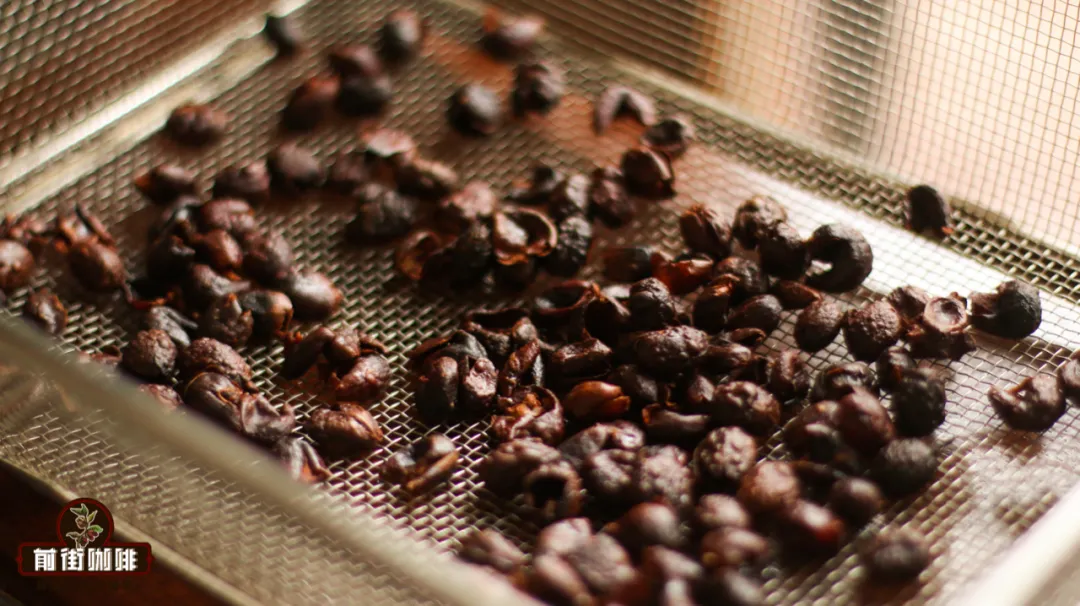
During the drying process, workers must manually remove impurities such as parchment, incompletely removed green beans, stones, and even twigs, as these can affect the final product’s purity and flavor. It’s especially important to note that if the husks encounter excessive humidity or insufficient temperature during drying, they can easily spoil, causing the color to shift from its original deep red to an unhealthy brown and possibly developing undesirable off-flavors.
Successfully dried husks turn a deep purple color and emit a natural sweetness. These rigorously screened and processed husks are what go into making high-quality coffee cherry husk tea. Compared to traditional coffee, the processing of husk tea is much simpler, but every detail remains critically important—any oversight can impact the flavor profile.
So, what does coffee cherry husk tea actually taste like? Generally speaking, regardless of the coffee variety, the brewed tea carries a distinct and natural sweetness, which comes from the high sugar content inherent in the husks. Some husks may also emit faint aromas of red dates, berries, or flowers. While the flavor complexity isn’t as rich as that of coffee, its refreshing and sweet characteristics have made it a favorite for many.
In terms of brewing methods, coffee cherry husk tea is similar to tea leaves—you can choose between hot brewing or cold steeping. For hot brewing, it’s recommended to use water at around 94°C, with a coffee-to-water ratio of 1:20 (for example, 20 grams of husks to 400 milliliters of water), which can fully bring out the sweetness and flavor characteristics of the husks. If you prefer a cold drink, you can also use cold or room-temperature water and employ a long, low-temperature extraction method to draw out a richer sweetness, making it ideal for summer consumption.
It’s worth mentioning that the caffeine content in coffee cherry husk tea is only about one-quarter that of traditional coffee, making it a very user-friendly option for those looking to reduce their caffeine intake while still enjoying a bit of stimulation. Additionally, due to its low caffeine content, it’s also very suitable for drinking in the evening or at night without affecting sleep quality.
Another major highlight of coffee cherry husk tea is its versatility in applications. While simply brewing it is delicious enough, in many cafés, it’s often used as a base to mix with juices, sparkling water, honey, or other herbal ingredients to create a variety of specialty drinks, further enhancing the flavor layers and fun—perfect for culinary creativity and unique drink development.

The above content is compiled by CoffeeHunters, a coffee news website.


