








Introduction:As global competition in the coffee industry intensifies, the number of store closures continues to rise. Surveys show that over the past year, more than 43,000 coffee shops in China have shut down, with a closure rate exceeding 50%. Although the overall closure rate is slightly lower than the average for the restaurant industry, the speed of elimination is alarming. This article delves into the current market conditions, analyzing data trends, regional distributions, and the real experiences of shop owners to help you understand the reasons behind this "battle royale," as well as the opportunities and challenges the wave of store transfers brings to future operators.
The coffee market is experiencing unprecedentedly fierce competition. Whether it’s product innovation, pricing strategies, franchise models, or channel layouts, brands are pushing their limits in every aspect. The term "involution" is no longer sufficient to describe the current situation. Many industry professionals lament that this is no longer just about business—it’s a fight for survival.
According to authoritative statistics, the overall closure rate for coffee beverage shops nationwide is 13.3%, which, while better than the restaurant industry average of 22.6%, still conceals the harsh reality of over 43,000 store closures in the past year. Especially as leading brands continue to expand, the survival space for small and medium-sized outlets and independent coffee shops is being steadily eroded. Many storefronts are ultimately forced to transfer ownership, with transfer listings even becoming popular search keywords online.
Data shows that as of August this year, the total number of coffee beverage outlets in China has reached 244,000, of which approximately 68,000 are specialty coffee shops, accounting for 27.9%. These stores are mostly concentrated in coastal provinces such as Guangdong, Zhejiang, and Jiangsu—regions where market competition is most intense.
Looking further,the number of newly opened coffee shops in the past year reached 83,171,and after deducting new openings, the net increase in stores was 39,982, most of which came from the expansion of large chain brands. In reality,the number of coffee shops that closed in the past year totaled 43,189,meaning the overall closure rate has surpassed 50%. While major chain brands compete for prime locations and engage in head-to-head battles, hundreds of coffee shops across the country quietly cease operations almost daily.
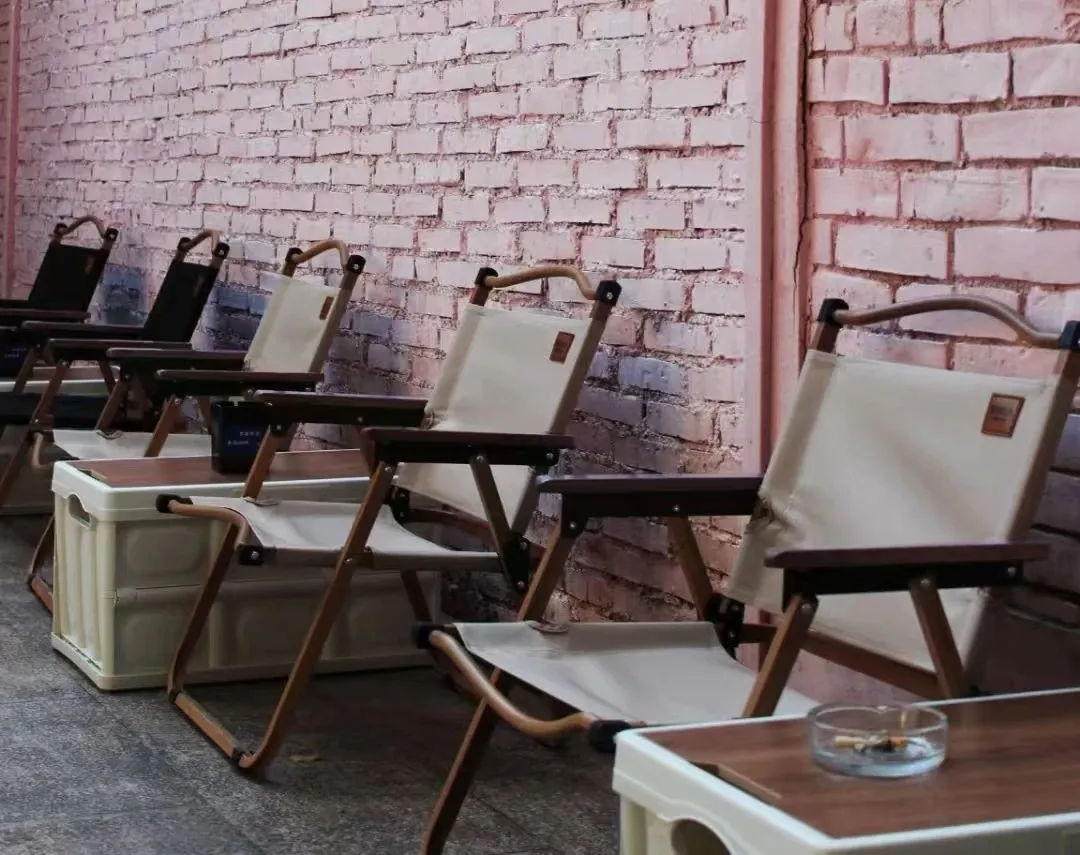
Observing recent market trends, it’s not hard to see that the wave of closures has spread to all types of coffee shops. Whether it’s Starbucks, %Arabica, and Seesaw, which price their drinks between 30 and 40 yuan, or Manner, known for its extreme cost-performance value, or even long-established local coffee shops that have been in business for over a decade—all are under immense pressure. This "battle royale" isn’t just about disappearing stores; it represents an accelerated reshuffling of the entire industry chain.
Industry insiders observe that many shop owners are currently facing empty stores and a sharp drop in delivery orders. Some even frequently see comments about “zero income” in their daily posts sharing public sales figures. Many once-dream-driven entrepreneurs, after careful consideration, have chosen to exit, leaving behind heartfelt and nostalgic "farewell letters." Some former shop owners even joke, "When a store closes, the transfer listing becomes the hottest post."
In such a market environment, not only are small and medium-sized brands and single-store operations struggling, but the overall pace of renewal and iteration is also accelerating. Experts point out that the market elimination race will continue for some time, especially as major brands like Luckin, Cotti, and Starbucks continue to expand. Survival challenges for small brands and independent stores will become even more severe.
For aspiring entrepreneurs looking to enter the coffee industry or subsequent operators taking over transferred stores, understanding market trends, choosing the right commercial area, and accurately calculating cost structures are all key to survival. In this market reshuffle, only stores with genuine core competitiveness and differentiated positioning stand a chance to stand out and turn the tide.
The above content is compiled by CoffeeHunters, a coffee news website.


