







Introduction:As the world’s fourth-largest coffee-producing country, Indonesia is renowned for its Mandheling coffee from the island of Sumatra. This article delves into the development background of Indonesia’s coffee industry and provides a detailed introduction to the geographical characteristics and flavor profiles of Sumatra’s key specialty coffee regions—from Gayo Mountain in Aceh to the Lintong region—helping you understand how these regions shape coffee beans with rich and layered flavors.
Indonesia is the world’s fourth-largest coffee producer, and its unique geographical environment and volcanic soil produce beans with distinctive flavors. This tropical archipelago not only boasts abundant natural resources but also, thanks to its special climate and altitude conditions, has nurtured world-renowned coffee varieties such as Sumatra Mandheling. This article will take you through the development history of Indonesia’s coffee industry and focus on several important specialty coffee regions on the island of Sumatra, offering an in-depth look at their distribution, characteristics, and impact on coffee flavors.
Asia, as the largest continent, features diverse terrain, ranging from mountains to plains and from cold to tropical climates. Such geographical and climatic conditions provide an excellent environment for agriculture and have made countries including Indonesia important coffee producers. Not only is Indonesia located in the tropics, but it also has over 500 volcanoes—the highest number in the world—making its volcanic soil rich in minerals and an ideal place for growing high-quality coffee.
Indonesia has a typical tropical rainforest climate, warm and humid year-round, with average temperatures maintained between 25 and 27 degrees Celsius. The climate is mainly divided into dry and rainy seasons. These conditions, combined with the nourishment of volcanic soil, provide stable and ideal growth conditions for coffee trees. Indonesia grows both Arabica and Robusta coffee, but initially, Arabica was the dominant variety. As early as the 17th century during the Dutch colonial period, coffee was introduced to Indonesia, and by the early 18th century, its coffee exports were already quite significant.
However, the outbreak of coffee leaf rust in the 1860s had a severe impact on the global coffee industry, and Indonesia was no exception. To combat the disease, Indonesia gradually shifted to planting the more disease-resistant Robusta variety, and today Arabica accounts for only 15% of the country’s total coffee production. Nevertheless, Indonesian Arabica coffee, especially beans from the Sumatra region, still holds a unique place in the global specialty coffee market due to its distinctive flavors.
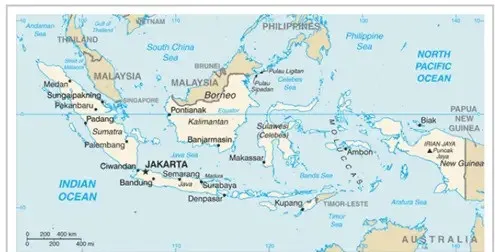
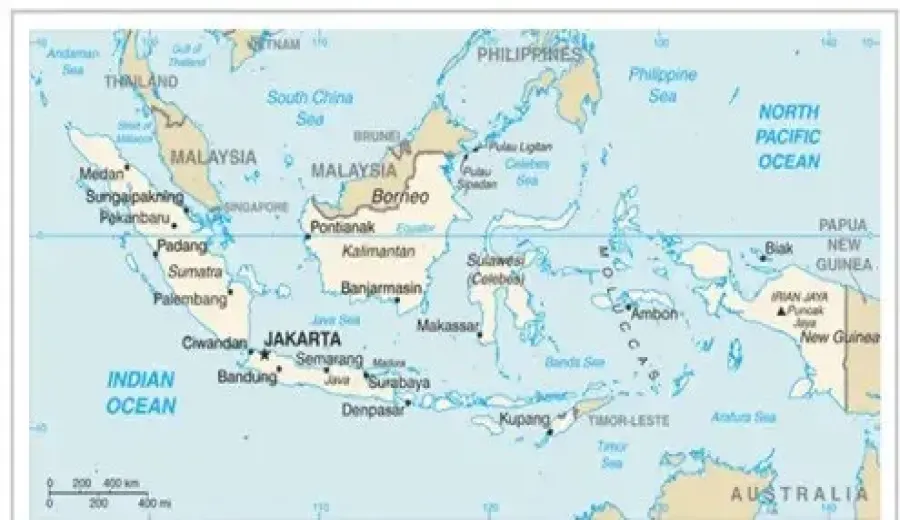
Coffee cultivation in Indonesia is primarily concentrated on several major islands, including Sumatra, Java, Sulawesi, and Bali. Among them, Sumatra is the largest island in Indonesia and the most famous specialty coffee origin. The island’s terrain is dominated by the high Barisan Mountains in the west and lowland plains in the east, spanning ten administrative regions across the equator, with a typical tropical rainforest climate that is hot and rainy year-round, providing an excellent environment for coffee cultivation.
Sumatra’s Arabica coffee is mainly grown in the Barisan Mountain range, which stretches approximately 1,600 kilometers and features over 90 volcanoes, including the highest peak, Mount Kerinci. The fertile soil brought by volcanic activity, along with the numerous lakes—especially Lake Toba, the world’s largest volcanic lake—provides ideal conditions for coffee cultivation. The island’s specialty coffee primarily comes from two major regions: Gayo in Aceh and Lintong, located in Aceh Special Region, North Sumatra, and West Sumatra, while the southern part of the island mainly grows Robusta.
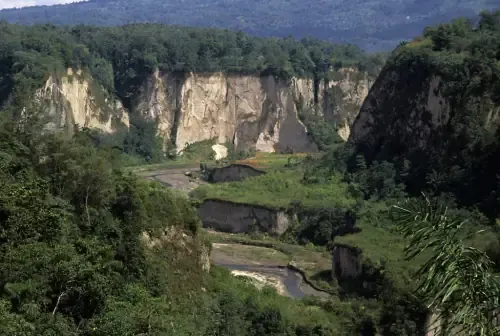
This region is located southwest of Lake Toba, at an altitude between 1,400 and 1,800 meters, making the height and climate conditions very suitable for growing Arabica coffee. The soil here, enriched by ancient volcanic activity, is rich in minerals, providing abundant nutrients for coffee. An entry-level premium Mandheling from a certain brand comes from this region, and its flavor profile often features black chocolate, herbal aromas, and caramel sweetness, with a distinct lingering aftertaste—making it a classic choice for experiencing the flavors of Sumatra Mandheling.
The Gayo region is situated at an altitude of 1,300 to 1,600 meters in Aceh Province, home to the Gayo people. The area features multiple volcanoes and lakes, with the area near Lake Lawar, a freshwater lake, being the main coffee-growing belt. The coffee from this region is known for its clean and well-defined flavors. For example, the PWM Golden Mandheling from a certain brand, supplied by the renowned Indonesian green bean supplier Pwani Coffee, is sourced from the Gayo highlands of Aceh in North Sumatra. This coffee often carries aromas of toasted bread, pine, cocoa, and subtle herbs, with a balanced taste and a warm caramel sweetness in the aftertaste, making it a go-to premium Mandheling for many coffee enthusiasts.
The above content is compiled by CoffeeHunters, a coffee news website.


