







Introduction:What kind of flavor profile emerges when you mix espresso with cola? This article takes you on an exploratory journey through practical testing to discover the golden ratio for cola iced americano. We break it down step by step—from extraction parameters to the amount of ice used—and analyze common issues like foam overflow and off-flavors. By adjusting the coffee-to-cola ratio and mastering the correct pouring technique, we uncover the optimal flavor expression of this unique beverage.
The slight tingling sensation caused by the successive bursting of carbon dioxide bubbles in carbonated drinks makes you want to take sip after sip. So, what happens when cola meets espresso? In this real-world test, we paired the Warm Sunshine blend espresso with Coca-Cola to determine the most suitable ratio for making cola iced americano, while also taking an in-depth look at its flavor characteristics and preparation considerations.
When you take a sip of a carbonated drink, the bubbles formed by carbon dioxide burst in your mouth, creating a mildly tingling sensation that many find uniquely satisfying. What kind of chemical reaction occurs when this sensation is combined with the bold flavors of espresso? Let’s find out.
The materials required for this experiment are simple—you only need espresso and cola. For the espresso, we chose the flavor-distinctive Warm Sunshine blend, which presents layered tasting notes of whiskey aroma, buttery cookies, and tangy-sweet berries. The extraction parameters were set to 20 grams of coffee grounds, a 30-second brew time, yielding 38 milliliters of espresso.
As for the cola, we used the classic Coca-Cola. The ratio used in the experiment was 40 milliliters of espresso, 160 milliliters of cola, and 80 grams of ice cubes, mixed in a 1:4:2 proportion. After placing the ice cubes in the cup, the next critical step is the mixing process.
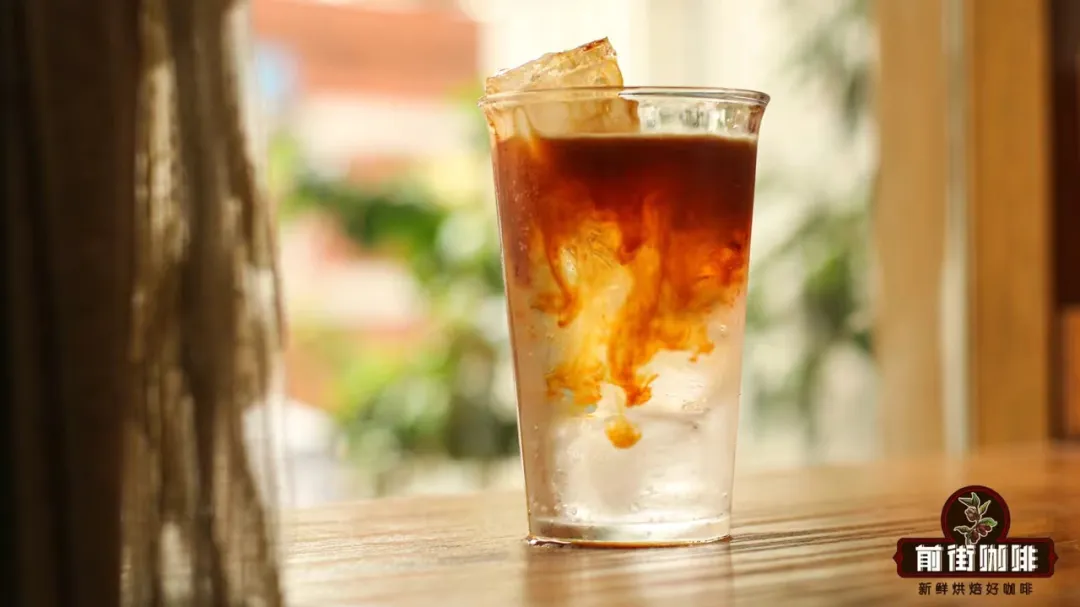
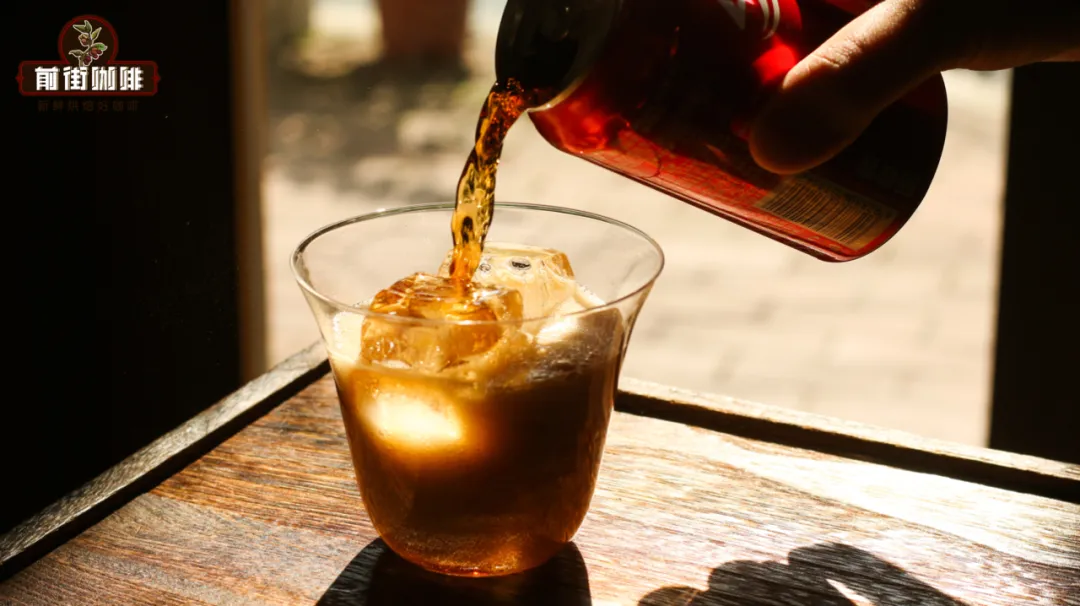
To make it, simply pour the cola and then the espresso into the cup filled with ice cubes. However, be cautious: if the espresso is poured too forcefully, it can react vigorously with the carbonic acid in the cola, causing excessive foam overflow. This not only affects the visual appeal but also creates a mess to clean up. Therefore, it is recommended to pour the espresso slowly and along the ice or the inner wall of the cup to minimize bubble formation.
Once mixed, gently stir and it’s ready to enjoy. That said, your first taste of this drink might come as a surprise—the anticipated perfect pairing of coffee and cola actually results in something quite different, akin to bubblegum-flavored Banlangen (a traditional Chinese herbal medicine) without any sweetness, lacking both the richness of coffee and the refreshment of cola.
To improve this distinctive flavor profile, we adjusted the coffee-to-cola ratio and removed the crema from the espresso surface, but after multiple tests, it became clear that this unique taste might be an inevitable outcome of combining the two. Nevertheless, the drink still holds some value for experimentation, especially for coffee enthusiasts keen on exploring unconventional flavors.
When making this cola iced americano, there are several key details to keep in mind: first, the amount of ice should be just right—too much will dilute the flavors, too little won’t effectively control foaming; second, control the speed and angle when pouring the espresso to avoid excessive reaction with the cola; third, if foam overflow is a concern, consider pouring the cola first, then gently adding the espresso, and use a stirring stick to help blend.
In summary, although the flavor of this cola iced americano may not meet everyone’s expectations, its unique combination offers coffee lovers an interesting experimental direction. By adjusting the ratios and methods, you might find a version that better suits your personal taste. However, for readers who prefer traditional coffee flavors, this drink might present quite a challenge.

The above content is compiled by CoffeeHunters, a coffee news website.


