







Introduction:Vietnamese coffee is renowned for its bold and intense flavor profile, and the key to this lies in the fact that over 90% of the beans used are Robusta. This article takes an in-depth look at the representative coffee varieties of Vietnamese coffee culture, explores the unique flavor characteristics of dark-roasted Robusta, and explains in detail the golden ratio when pairing traditional drip brewing with sweetened condensed milk. From equipment structure and extraction principles to practical brewing steps, you'll master the essential techniques and tasting pointers for making an authentic cup of Vietnamese coffee.
Vietnamese coffee has become an important symbol of Southeast Asian culinary culture, and the soul behind this distinctive flavor is the Robusta variety, which accounts for over 90% of Vietnam’s total coffee production. Since coffee was introduced by the French, the Vietnamese have ingeniously combined the intense bitterness of dark-roasted Robusta with the smooth sweetness of condensed milk, paired with their unique drip brewing device, to create a locally distinctive and vividly flavored coffee. This article will take you on a journey through the regional significance of Vietnamese Robusta, the mechanics of the drip brewer, and—with expert parameters—demonstrate the complete traditional brewing process and tasting method of Vietnamese coffee.
Vietnam is not the native home of coffee; this black beverage only gradually became integrated into local life during the French colonial period. When it comes to Vietnamese coffee, most people first think of the Robusta variety—its output accounts for97%of Vietnam’s total coffee exports. Though its total volume is slightly less than Brazil's, Vietnam ranks first globally in the production of Robusta alone. It's worth noting that "Vietnamese coffee" refers not just to coffee beans produced locally, but also to the classic coffee beverage that incorporates local characteristics. From specialty coffee shops in Ho Chi Minh City to roadside stalls in the countryside, this uniquely blended drink—combining the bitterness of dark roasts with the sweetness of condensed milk—is ubiquitous.
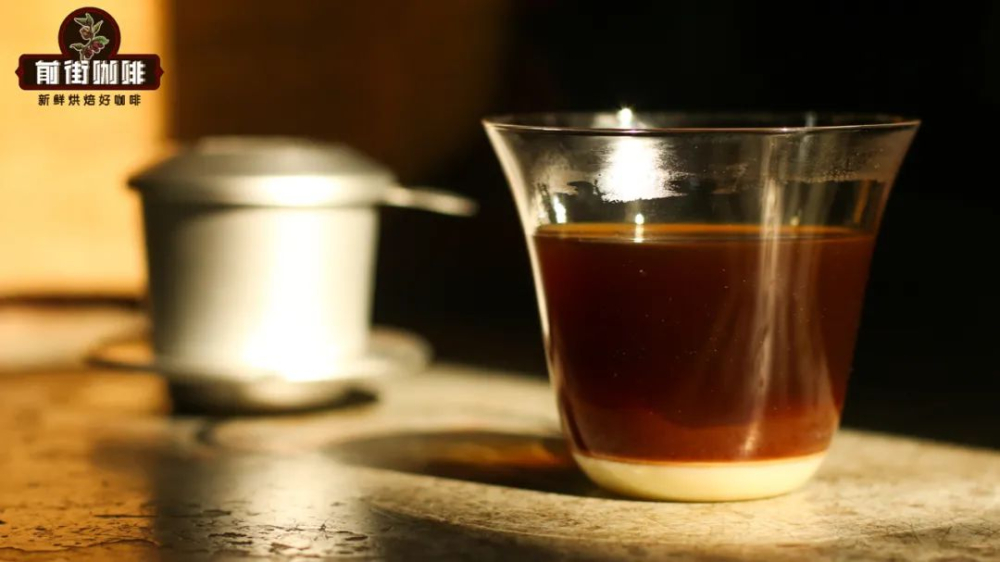
The core flavor of Vietnamese coffee lies in a simple yet ingenious combination: dark-roasted Robusta coffee and sweetened condensed milk. The Robusta, roasted at high temperatures for extended periods, releases strong bitterness and a rich, full-bodied texture, while the natural sweetness and silky mouthfeel of condensed milk perfectly balance the coffee’s intensity, creating a uniquely harmonious taste that is both sweet with a hint of bitterness and richly smooth. This combination not only enhances the overall drinkability of the beverage but also shapes the highly recognizable flavor signature of Vietnamese coffee.
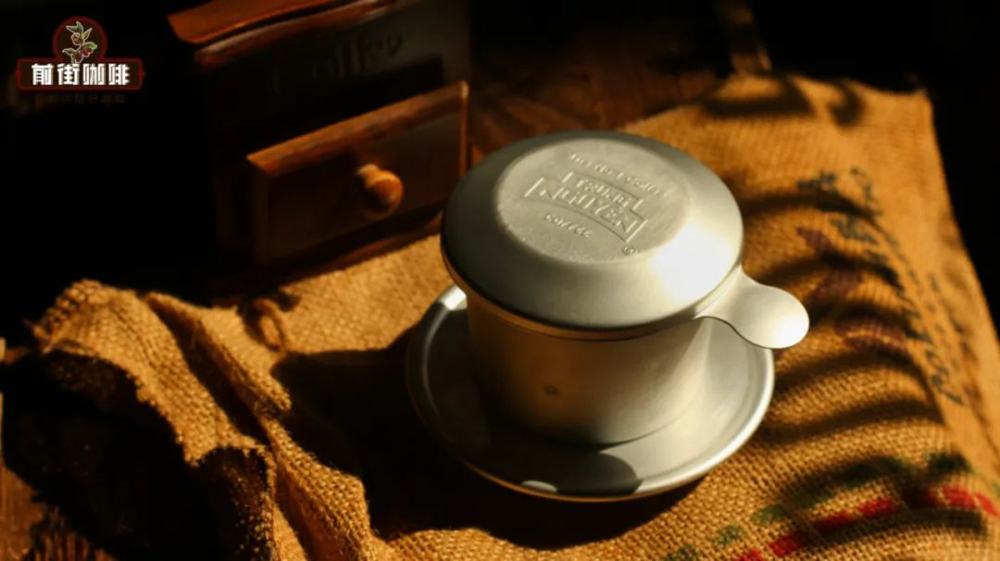
What truly defines the cultural identity of Vietnamese coffee is the locally unique drip brewing device—the Vietnamese drip filter. This metal-cup-like, seemingly simple tool is actually a clever design for drip filtration extraction. Its structure consists of three main components: the brew chamber, an adjustable pressure plate, and a protective lid. Coarse-ground coffee is placed inside the chamber, evenly compressed with the pressure plate, and then hot water is slowly poured in, allowing the coffee liquor to naturally drip through the holes at the bottom. Although the bottom holes are relatively large and may allow some fine coffee particles to pass through, a properly compressed coffee bed can effectively control the flow rate and add an extra layer of body to the coffee—only requiring you to accept a slightly cloudy appearance.
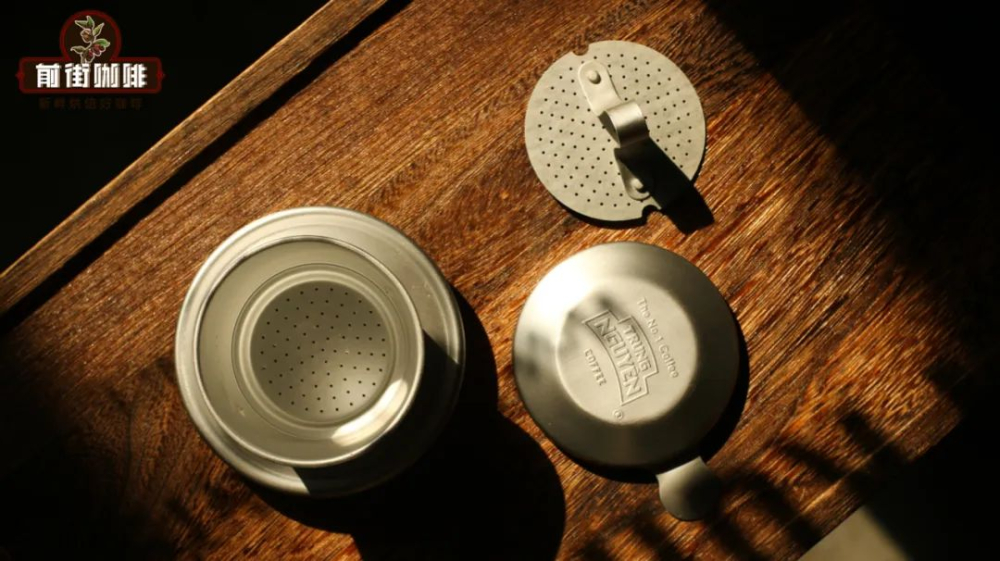
Below is a demonstration of the standard preparation process for traditional Vietnamese coffee, using actual parameters to explain key techniques. In this example, we use Sumatra Golden Mandheling as a substitute bean (the original text used dark-roasted Robusta), with a grind setting of Ek43 grinderat 10.5 clicks(equivalent to the texture of coarse sugar,with a 70% passing rate through a #20 sieve), using a coffee dose of15 grams, maintaining a1:10brew ratio94°C, with water temperature controlled at. When preparing the vessel to catch the brewed coffee, it’s recommended to pre-add10 ml of condensed milk
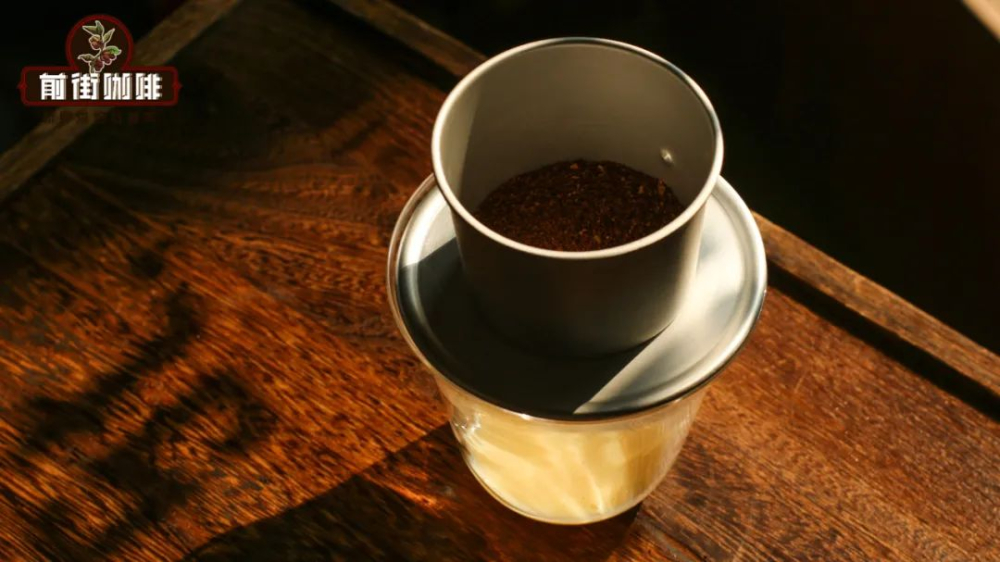
to adjust the sweetness—you can increase or decrease this to up to 15 ml according to personal preference for a stronger sweet flavor.
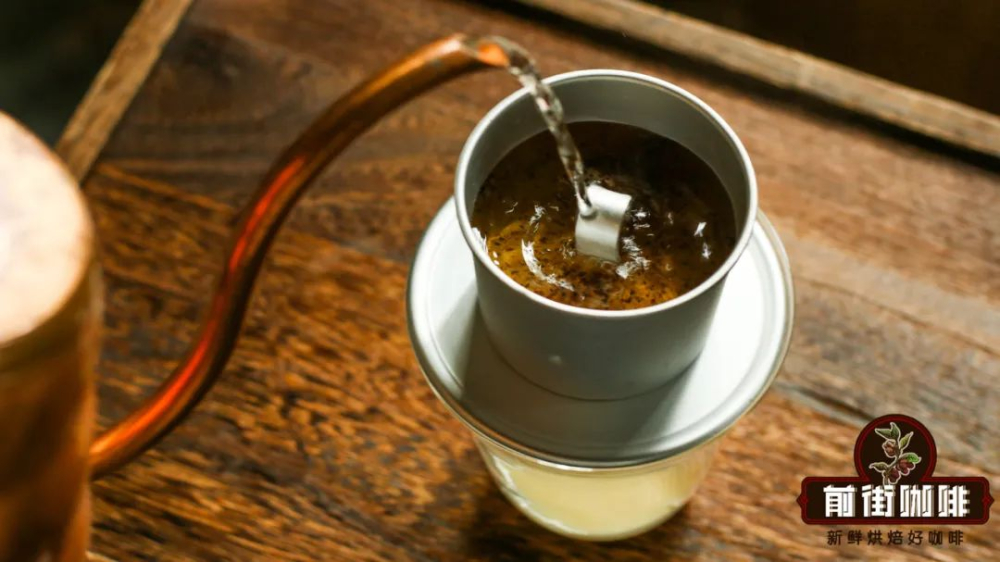
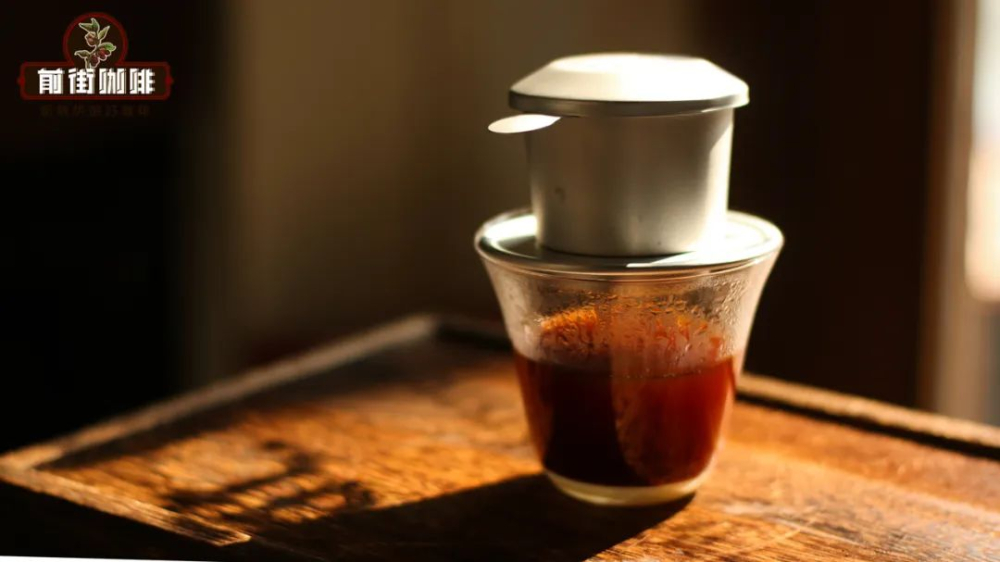
When assembling the drip filter, start by gently tapping the surface of the compacted coffee grounds to ensure an even coffee bed density. After placing the pressure plate, press it down vertically as far as it will go. Pressing too tightly may extend the extraction time, while pressing too loosely may cause the water to flow through too quickly, affecting flavor extraction. Once the coffee is pressed, slowly pour in the hot water and immediately place the protective lid on—the primary purpose of this is to prevent the pressure plate from floating up due to heat and causing the coffee grounds to spill, rather than to maintain temperature. Wait until all the brewed coffee has dripped through, and then enjoy this classic drink that marries the bitterness of dark roasts with the sweetness of condensed milk.When drinking Vietnamese coffee, it’s recommended to use a layered tasting method: sipping directly allows you to experience the progressive change in coffee concentration from top to bottom, with sweetness and bitterness forming a dynamic balance in the mouth. If you prefer a more uniform flavor, you can gently stir with a mixing stick before drinking to ensure each sip contains an equal proportion of coffee and condensed milk. Avoid using a metal spoon in prolonged contact with hot coffee to prevent affecting the flavor. For first-timers, you might start with adjusting the sweetness using around7–8 ml of condensed milk
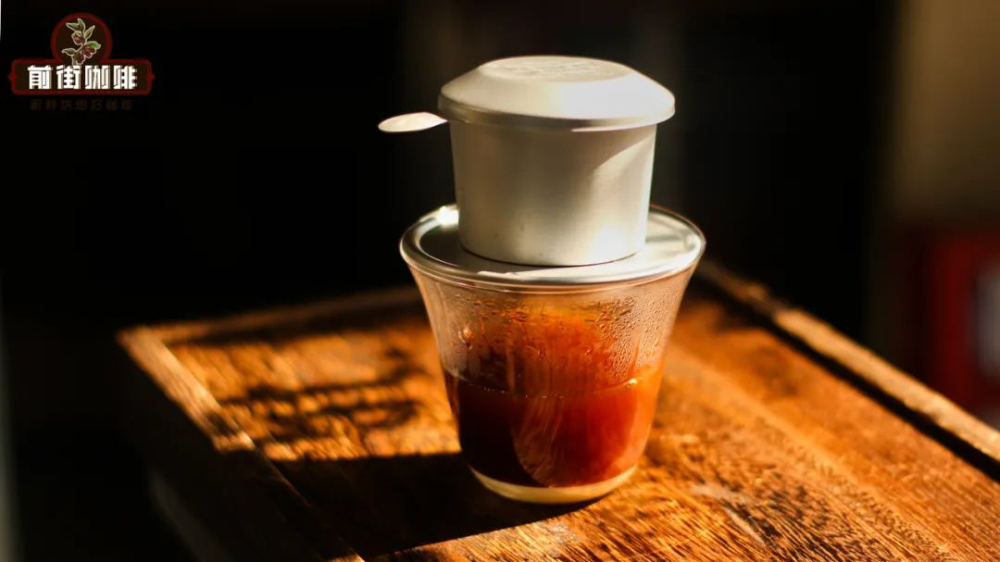
, then gradually find your ideal balance of sweet and bitter.Additional practical tips: If using authentic Robusta beans, it is recommended to chooseG1 grade
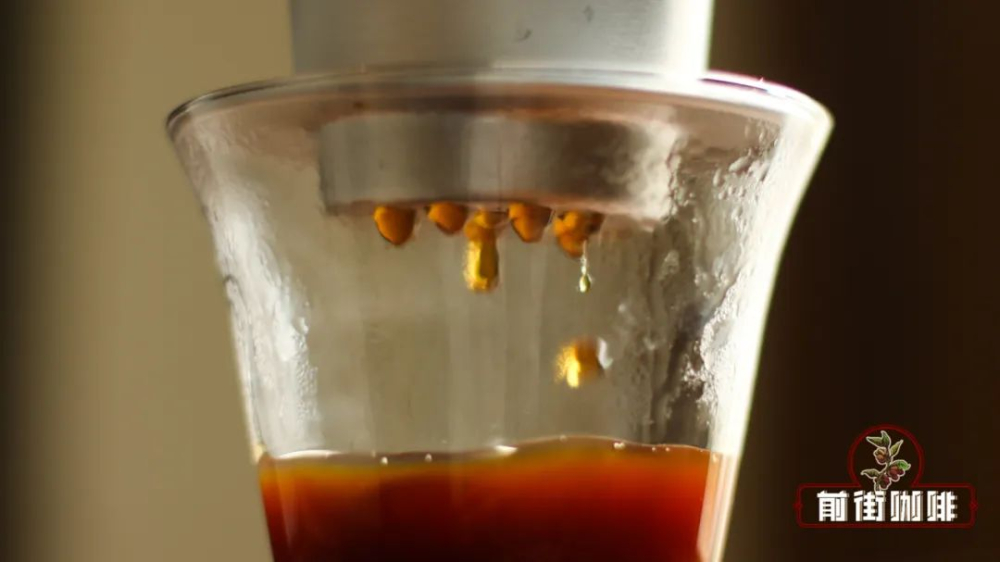
dark-roasted beans from Vietnam’s highland regions, as their rich oils and nutty profiles better highlight the characteristics of Vietnamese coffee. If you notice the dripping speed is too slow (taking over 4 minutes) during the brewing process, check the firmness of the coffee puck or slightly adjust to a coarser grind. If the dripping is too fast (under 2 minutes), increase the pressing force or switch to a finer grind. Regularly cleaning the residual coffee oils from the drip filter helps maintain the device’s performance and the purity of the coffee’s flavor.
The above content is compiled by CoffeeHunters, a coffee news website.


