








Introduction:Once a formidable rival to Starbucks, the British coffee brand COSTA is now facing a steady retreat in the Chinese market. From its ambitious plan in 2018 to open 2,500 stores, it has shrunk to just 343 outlets nationwide, completely withdrawing from the Jiangxi market. This article delves into the reasons behind COSTA’s gradual decline in China, exploring how this once-dominant coffee giant lost its competitive edge — from a confusing mini-program experience and weak marketing strategies to a lack of standout products.
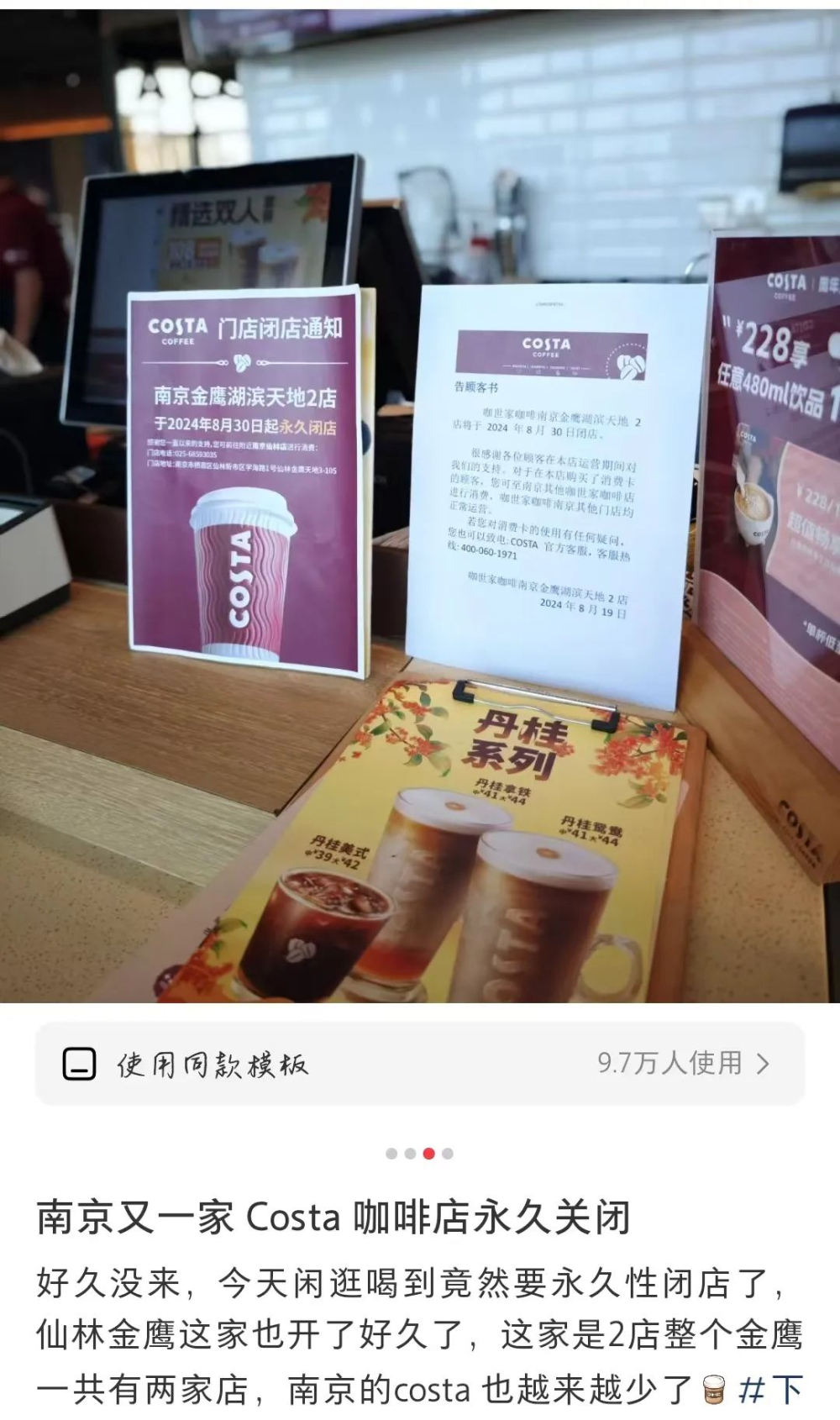
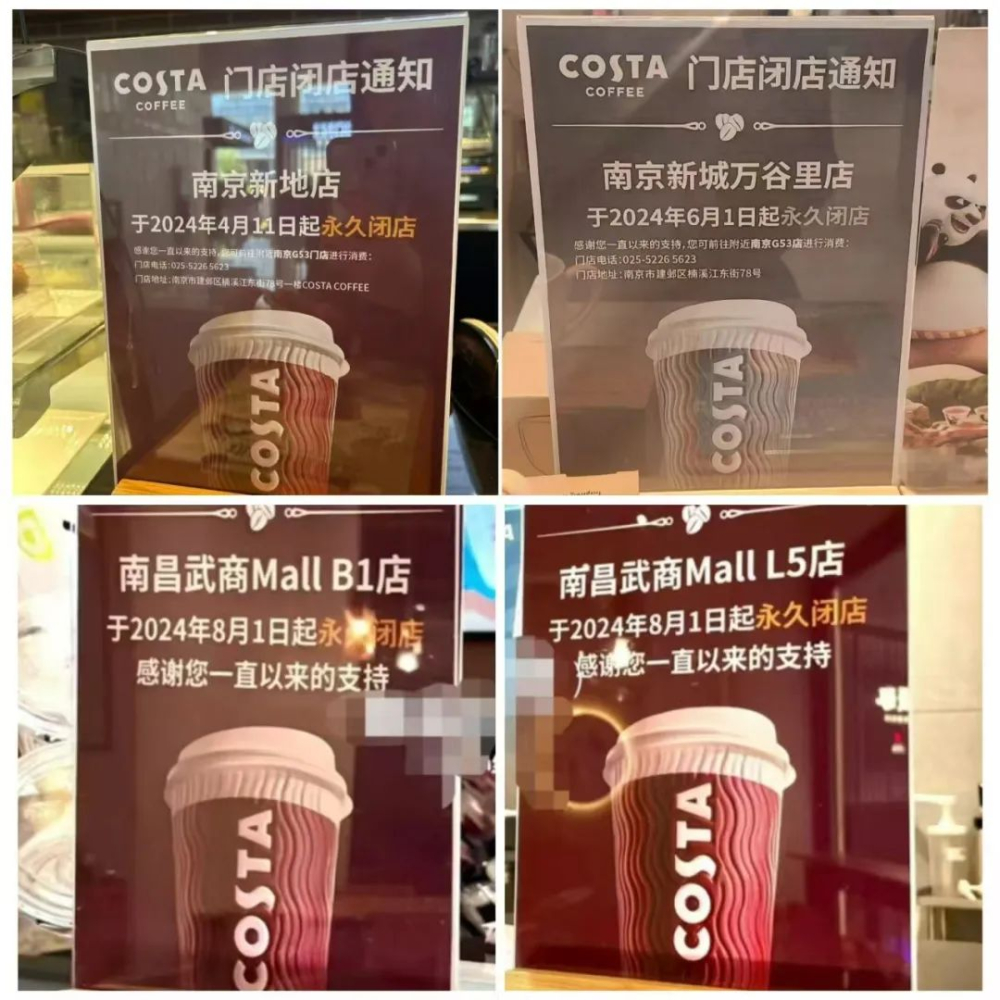
COSTA Coffee, which once rivaled Starbucks in the Chinese market, is now facing unprecedented challenges. Recently, a COSTA outlet in Nanjing announced its permanent closure on August 30, 2024 — just the tip of the iceberg in the brand's ongoing contraction in China. Moreover, two COSTA stores at Nanchang Wushang Mall ceased operations in early August, marking the brand's official exit from the Jiangxi market. Currently, only 343 COSTA outlets remain, spread across 36 cities.
Looking back to 2018, COSTA set an ambitious goal — to open 2,500 stores across China. However, according to the latest data from Jihai Brand Monitoring, the number of operational COSTA stores has now dwindled to just 343. In some cities, such as Shenzhen, Foshan, and Chengdu, there are only single-digit stores barely hanging on. COSTA’s market coverage is rapidly shrinking, and brand visibility is declining.
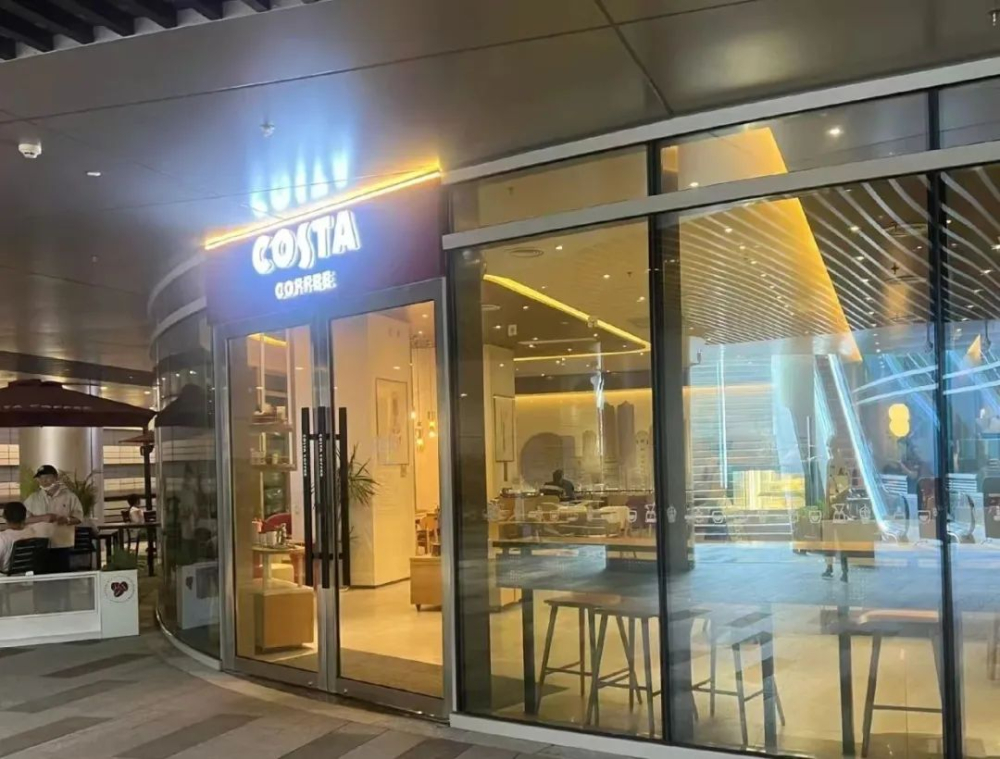
COSTA’s decline in China did not happen overnight. Once occupying prime commercial spaces in first- and second-tier cities, its iconic red coffee bean logo is gradually disappearing from people’s view. The once "shoulder-to-shoulder" presence with Starbucks is long gone, replaced by the rise of new brands like Luckin and Manner. For many consumers who once experienced coffee culture at COSTA, the reality of the brand’s fading presence brings a mix of nostalgia and regret.
Analyzing the reasons behind COSTA’s poor market performance, the first issue that stands out is itsconfusing mini-program experience. Currently, COSTA operates four separate mini-programs, and users must use different ones depending on their city. For example, in Beijing and Tianjin, members must use the “COSTA Coffee” mini-program, while in cities like Nanjing and Guangzhou, they have to switch to the “COSTA Membership Card” mini-program. This fragmented user experience not only increases operational complexity but also significantly reduces ordering convenience, running counter to the current consumer trend of seeking fast and simple service.
Beyond technical issues, COSTA also appears to bestruggling in brand marketing. Compared to competitors frequently launching collaborative products, seasonal limited editions, and creative marketing campaigns, COSTA’s efforts in this area are almost non-existent. It lacks attention-grabbing collaborations, and its new product launches have failed to capture significant market interest. Over time, this marketing weakness has caused the brand to gradually lose its appeal to younger consumers.
On the product front, COSTA has also failed to offer any standout items that leave a deep impression on consumers. In contrast to Starbucks’ iconic offerings like Frappuccino and Flat White, COSTA’s product line is relatively limited and lacks clear differentiation. Whether in terms of coffee quality, flavor innovation, or customer service, COSTA has not demonstrated enough competitiveness. When consumers can find more attractive options elsewhere, COSTA naturally loses market share.
As competition in the Chinese coffee market intensifies, especially in lower-tier markets, COSTA’s response has been noticeably slow. Many brands, such as Luckin, M Stand, and Seesaw, are actively expanding into second- and third-tier cities, even county-level markets, in an effort to capture more market share. Meanwhile, COSTA has stumbled in this wave of expansion, with its store count continuously declining and its brand influence waning.
For many consumers who once witnessed COSTA’s entry into the Chinese market, it is somewhat disheartening to see this once Starbucks-rivalling British coffee brand gradually fade from view. COSTA’s decline is not just about the weakening of a brand, but also reflects the fierce competitive landscape of China’s coffee market and the rapidly changing demands of consumers.
The above content is compiled by CoffeeHunters, a coffee news website.


