







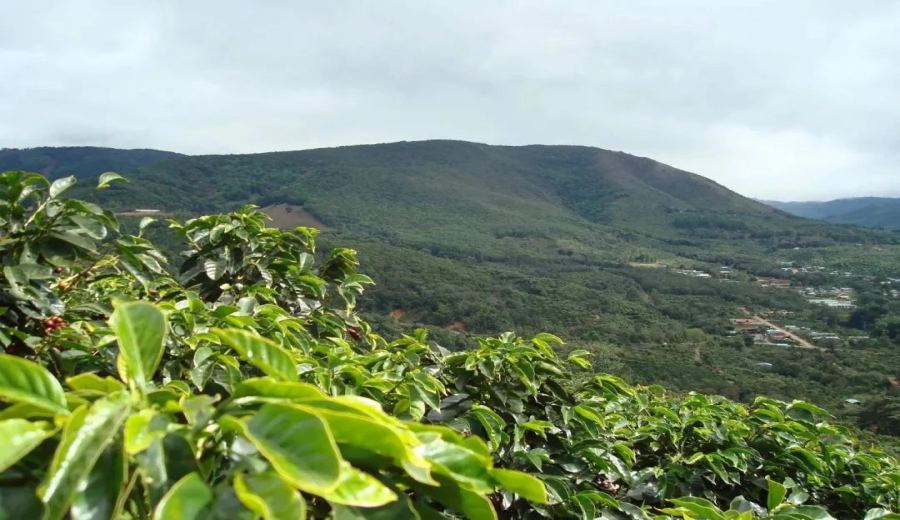
Introduction:Thanks to its unique geographical environment and rigorous production system, Costa Rica has cultivated some of the world’s top specialty coffees. This article delves into the terroir characteristics of the country’s seven representative coffee-growing regions — from the high-altitude volcanic soils of Tarrazú to the historic Central Valley — helping you grasp the flavor profiles of beans from each area and the best brewing methods to use, so you can select the most flavorful pour over beans.
Located on the narrow isthmus of Central America, Costa Rica’s name in Spanish means “rich coast,” perfectly encapsulating the nation’s natural bounty. The country is traversed by the Cordillera mountain range, with 30% of its land designated as protected areas. Its fertile volcanic ash soil and mild climate averaging 17–28°C provide ideal growing conditions for coffee trees. Since the 19th century, when the government implemented tax exemption policies and established the ICAFE research institute, the local coffee industry has gradually built a complete system for cultivation to quality control.
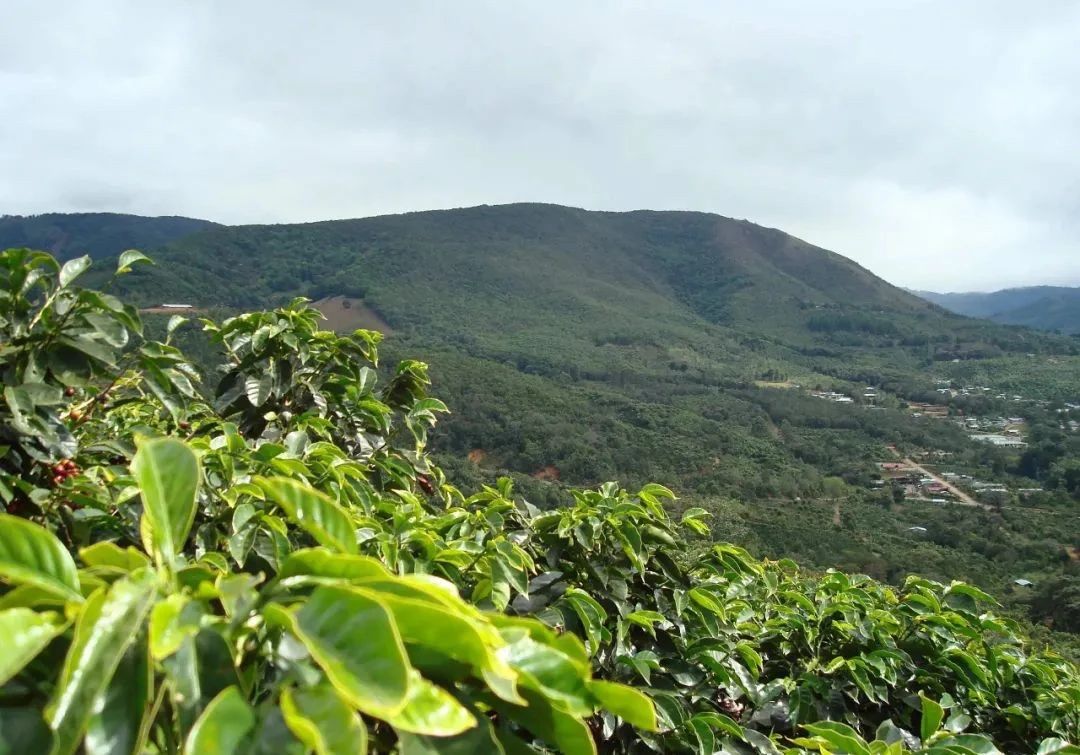
Costa Rica’s seven major coffee-growing regions are primarily concentrated along the central mountain range. Each area, due to differences in altitude, microclimate, and soil composition, produces coffee beans with distinct flavors. Among them, the Tarrazú region is known for its high elevation of 1,200–1,900 meters. Its volcanic rock soil combined with a humid environment receiving over 2,000 mm of annual rainfall results in beans that are dense-bodied with bright acidity.The industry-standard washed Tarrazú beans often exhibit citrus notes and a honey-like finish. It is recommended to brew them using pour over at a water temperature of 92–94°C and a grind size slightly coarser than caster sugar, which can highlight their layered flavors of dates and caramel.
As the most historic of all, the Central Valley region spans the provinces of Alajuela, San José, and Heredia, and lies adjacent to the Poás and Irazú volcanoes. The soil here, rich in volcanic minerals, is particularly suitable for coffee tree growth.Coffee in this region is typically grown at elevations of 1,200–1,600 meters. Compared to Tarrazú, it has slightly lower acidity but offers a flavor base of chocolate and nuts, making it ideal for those who prefer a fuller-bodied cup.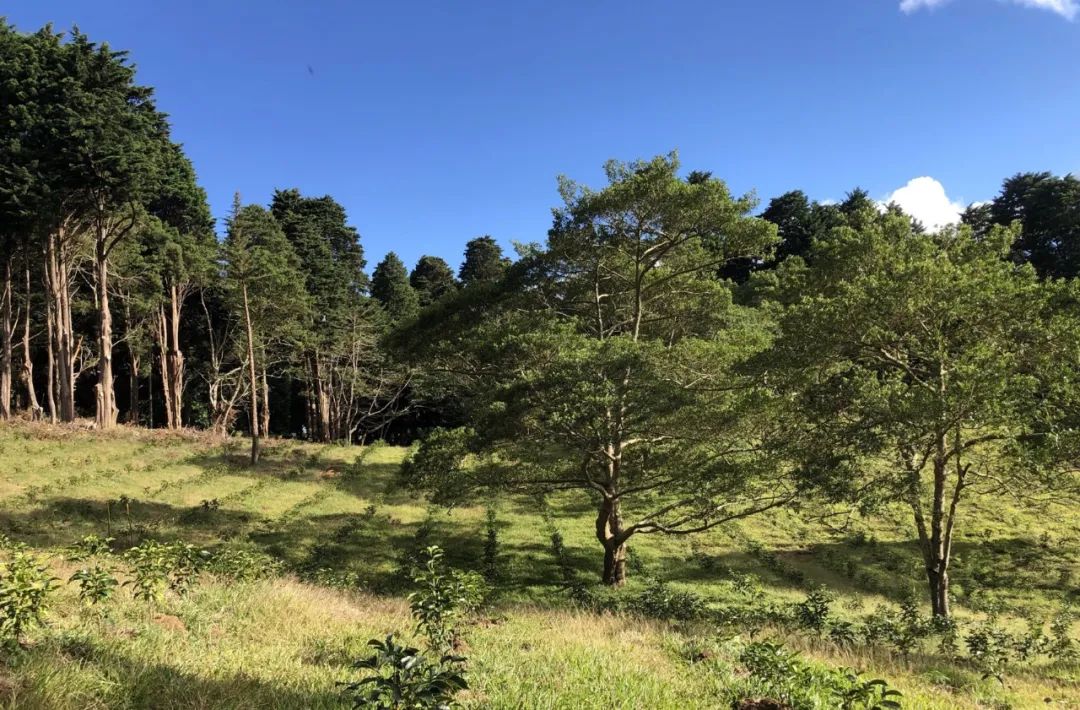 This region still contributes about 15% of the country’s total coffee output, and its transportation advantages have also facilitated the early development of coffee export trade.
The Western Valley (Valle Central Occidental) and Tres Ríos regions showcase different terroir expressions. The former, being close to the Pacific coast, experiences strong daytime sunlight and cool nights, producing coffee often with distinct berry aromas; the latter, moderated by three rivers, yields beans with excellent balance, where the wet aroma frequently carries floral and spicy notes. Brunca, the southernmost region, features low elevation, resulting in denser beans that often present intense tropical fruit flavors.
Although smaller in scale, the Orosi and Turrialba regions each have their own distinctive traits. The former, located near the Central Valley but at a lower altitude, has developed a uniquely soft acidity; the latter, affected in recent years by volcanic activity, has seen parts of its growing areas switch to disease-resistant varieties, giving its coffee a distinctive smoky finish. The microclimatic variations across these regions remind buyers to pay attention to specific farm information — beans labeled simply as “Tarrazú,” for example, can show markedly different flavor profiles depending on slope orientation and processing methods.
The success of Costa Rica’s coffee industry owes much to its strict grading system and processing standards. From honey processing to innovative techniques like double anaerobic fermentation, farmers across regions continuously refine their processing methods. Coupled with government-promoted shade-grown cultivation and soil conservation policies, these efforts ensure product quality remains consistently high. Understanding these regional differences not only helps coffee enthusiasts find beans that suit their personal tastes, but also allows them to appreciate the geographic stories behind each cup.
The above content is compiled by CoffeeHunters, a coffee news website.


