







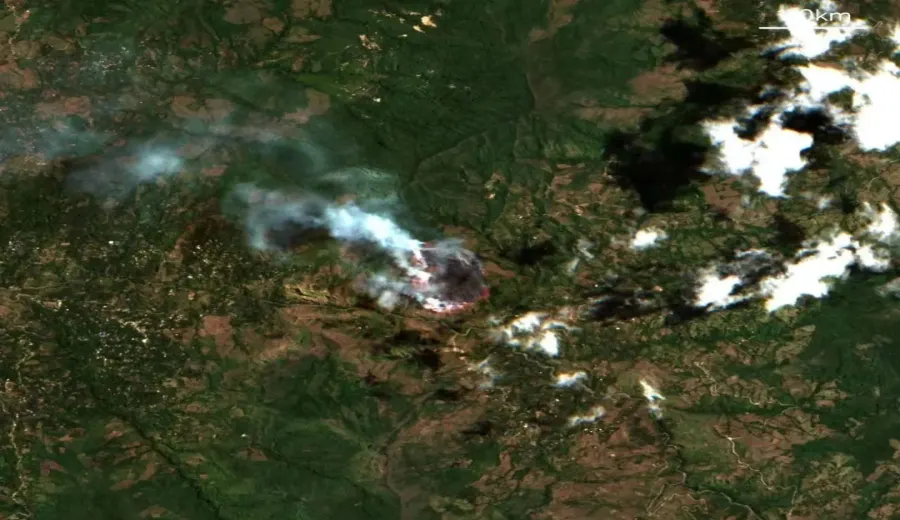
Introduction:A severe wildfire has recently broken out in Colombia’s Cauca Department, destroying over 2,500 hectares of farmland, including large areas of coffee and sugarcane crops. The fire continues to spread and is proving difficult to extinguish, with potential impacts on the upcoming winter coffee harvest in September. This article provides an in-depth analysis of the actual effects of the fire on the producing region, water supply concerns, as well as future coffee bean supply and price trends, helping readers stay informed on key regional developments and potential flavor changes.
In the mountainous area of Bolívar municipality in Colombia’s southwestern Cauca Department, a serious mountain wildfire has recently erupted. The fire remains uncontained and is still expanding. Local authorities have described this disaster as the most severe fire event the city has experienced in over 30 years, with an initial estimate of approximately 2,500 hectares of land scorched, including a significant proportion of coffee and sugarcane planting areas.
The wildfire occurred during the local autumn season when the climate was dry and strong winds further fueled the flames, causing the fire to spread rapidly. It has not only devastated vegetation and crops in several rural areas but has also extended into the neighboring Cauca Valley Department. Since the ignition site is close to important environmental protection zones, surrounding water sources may be affected, posing potential challenges to regional water supply in the future.
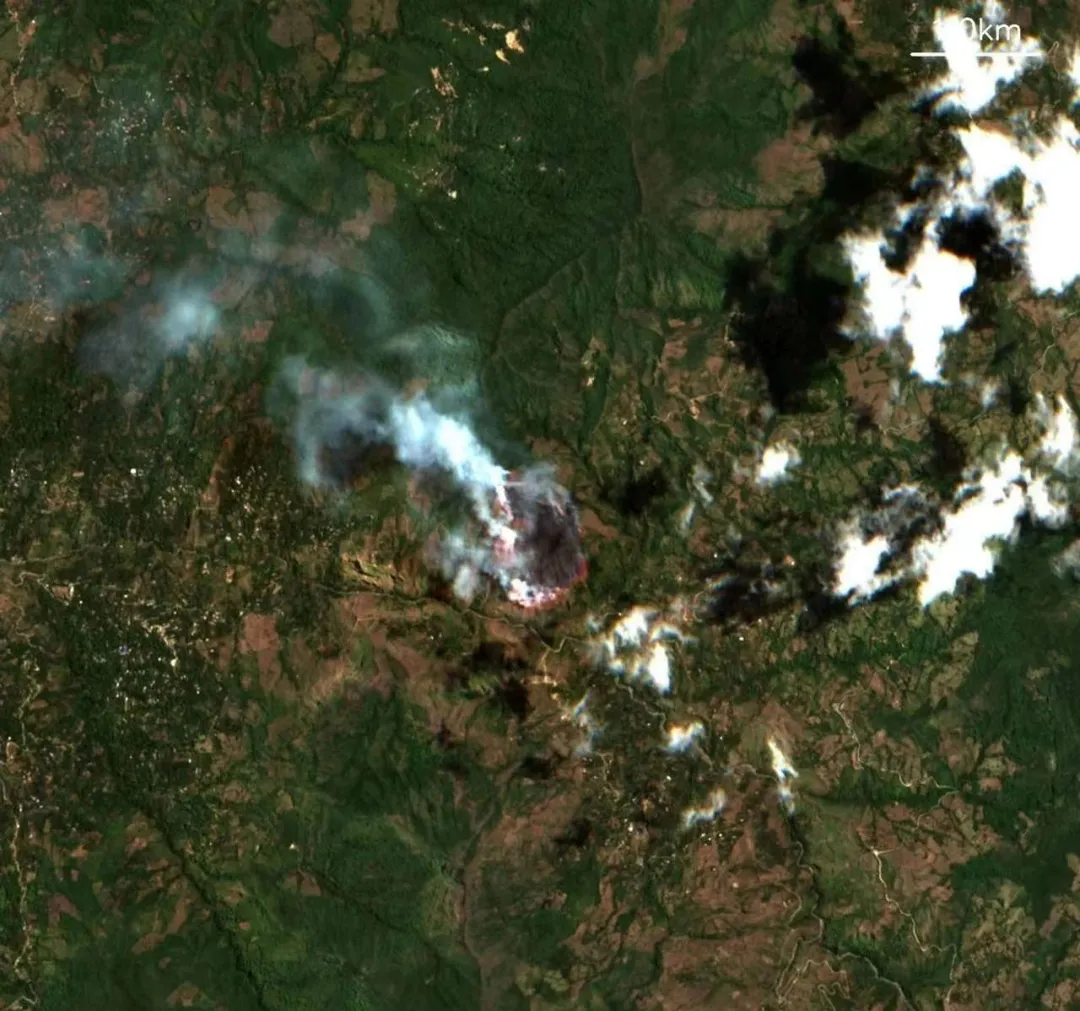
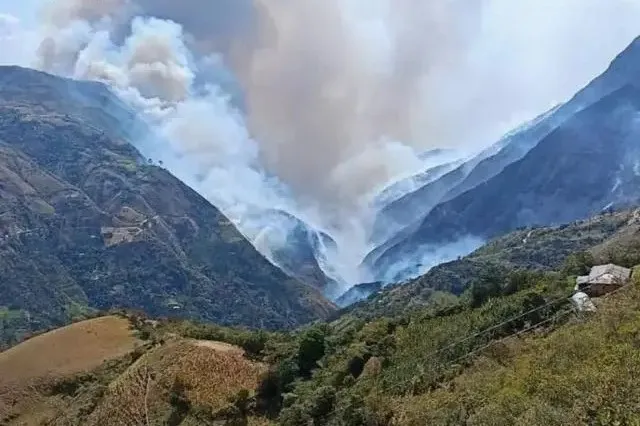
Current firefighting efforts are facing extreme difficulties primarily because the fire zone is located in complex mountainous and dense forest terrain, making it hard for firefighters to access. To tackle the ongoing blaze, local authorities have urgently requested aerial support from nearby cities for firefighting. Despite increasing rescue efforts, the fire has not shown significant signs of abating and there remains a risk of further spread.
Regarding the cause of the fire, there is currently no official conclusion, but many local residents and observers suspect it may be related to the recent intensification of armed conflict. In July of this year, Colombia’s Ministry of Defense announced the termination of ceasefire agreements with certain factions of the “Central General Staff,” a branch of the country’s main anti-government armed group, the Revolutionary Armed Forces of Colombia (FARC), and launched military operations against them. Then, in early August, the Minister of Defense further announced the end of the ceasefire with another major guerrilla group, the National Liberation Army (ELN), and stepped up strike actions.
These armed groups have long been active in Colombia’s southwestern Nariño Department, Cauca Department, Cauca Valley Department, as well as the northeastern Norte de Santander Department—all regions characterized by complex mountainous and forested environments that not only provide favorable hiding places for militants but also ideal conditions for agriculture, especially coffee cultivation. However, the rugged terrain also makes firefighting and personnel access more challenging.
It is worth noting that although there is no direct evidence yet linking this wildfire to armed conflict, many citizens have witnessed exchanges of fire between the national defense forces and anti-government armed groups in suburban areas. This is compounded by recent incidents such as bomb attacks on oil pipelines leading to crude oil spills, further deepening public concerns about secondary disasters triggered by escalating conflicts.
Cauca Department, Cauca Valley Department, and Norte de Santander Department are all key coffee-producing regions in Colombia, and their coffee beans enjoy a strong reputation in the global market. According to the July report by the Colombian Coffee Growers Federation (FNC), the country’s coffee production for that month reached 1.16 million bags, a 22.4% increase compared to the same period last year, indicating that overall production remains stable. However, the direct impact of this wildfire on agricultural infrastructure and planting areas is expected to pose adverse factors for the upcoming winter harvest in September.
In terms of market prices, the local coffee purchasing price in Colombia continues to rise. In July, the average purchase price reached 1,876,387 Colombian pesos (approximately $465 USD) per carga (125 kilograms), marking a 3.3% increase from June. As the world’s third-largest coffee producer and exporter, any fluctuation in Colombia’s coffee output could impact the supply-demand balance in the international coffee market, potentially driving up global coffee bean prices.
For coffee enthusiasts and industry professionals, it is crucial to closely monitor developments in Cauca Department and other major producing regions. This wildfire may not only affect the short-term supply of coffee beans but could also introduce subtle flavor variations due to changes in the growing environment. It is recommended to keep an eye on subsequent harvest performances to stay updated on the latest market trends and flavor directions.
The above content is compiled by CoffeeHunters, a coffee news website.


