







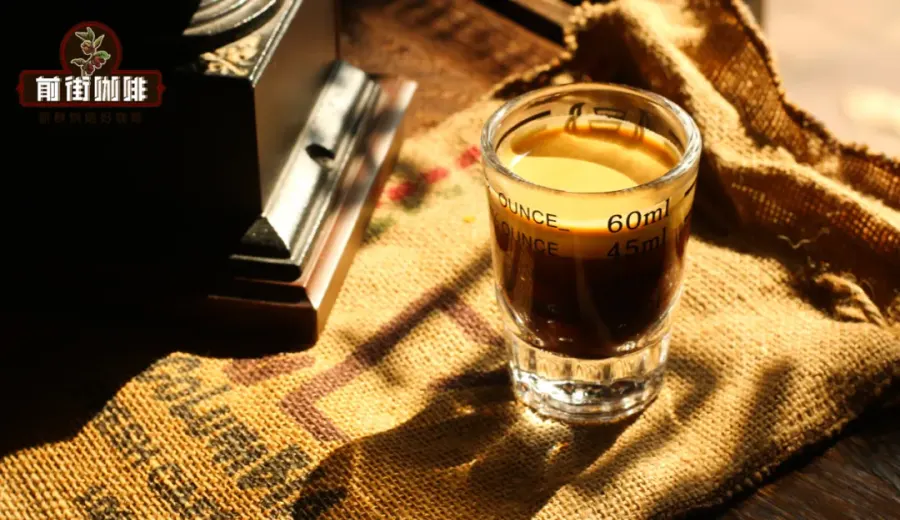
Introduction:Is thicker crema on espresso always better? In fact, this golden foam layer hides a delicate balance between carbon dioxide and oils. This article delves into the essence of crema, clarifies the true relationship between crema thickness and coffee flavor, and offers practical tips—from coffee bean selection to extraction parameters—to help you consistently pull a rich and aromatic crema layer.
In the world of coffee extraction, the layer of crema on the surface of espresso always stands out. Whether it’s for the aesthetics of latte art or believing in the claim that “thicker crema means better flavor,” many coffee enthusiasts pay special attention to how thick their crema is. However, is crema really the key to judging coffee quality? In reality, this seemingly oily foam is mainly a mixture of carbon dioxide and fine oils, not simply “oil.”
The essence of crema is a dense foam formed by carbon dioxide released during extraction under high pressure. These bubbles carry insoluble oils and tiny particles from the coffee, creating the golden layer we see. But the important point is,the thickness of crema has no absolute correlation with the overall flavor of the coffee. While it does carry some aroma, overemphasizing thickness might cause you to overlook other crucial aspects of extraction.
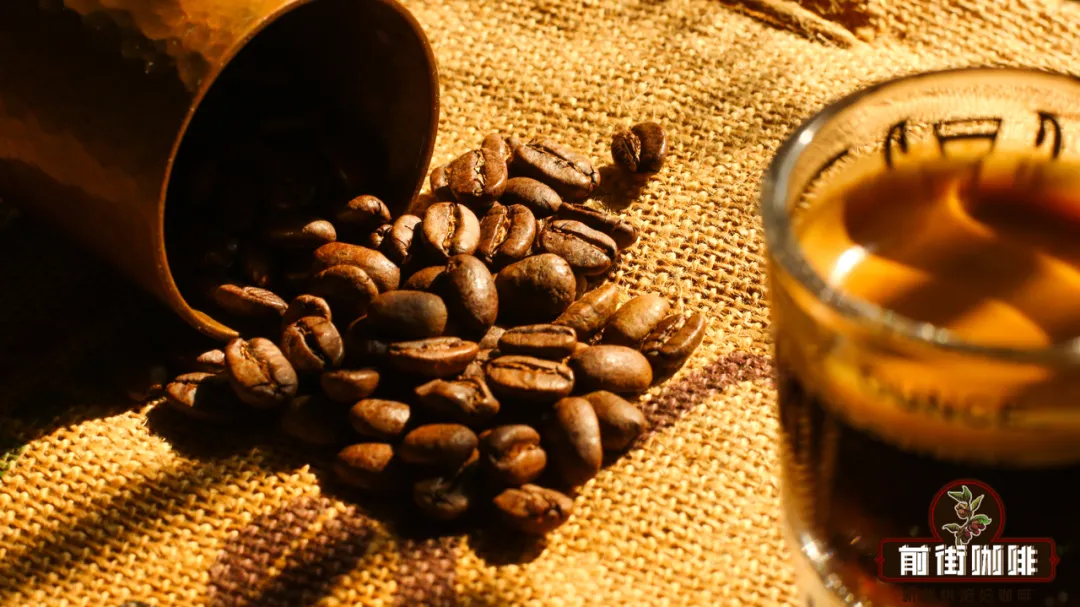
So, what determines the thickness of crema? The answer lies in the carbon dioxide content within the coffee beans. Freshly roasted beans contain a large amount of carbon dioxide, which, under appropriate extraction pressure and temperature, is released and forms a stable foam structure. Simply put,the fresher the beans and the shorter the time since roasting, the more carbon dioxide they contain, making it easier to produce a rich crema layer during extraction. Additionally, roast level also plays an important role—darker roasts typically release more gas, helping to form a more pronounced crema.
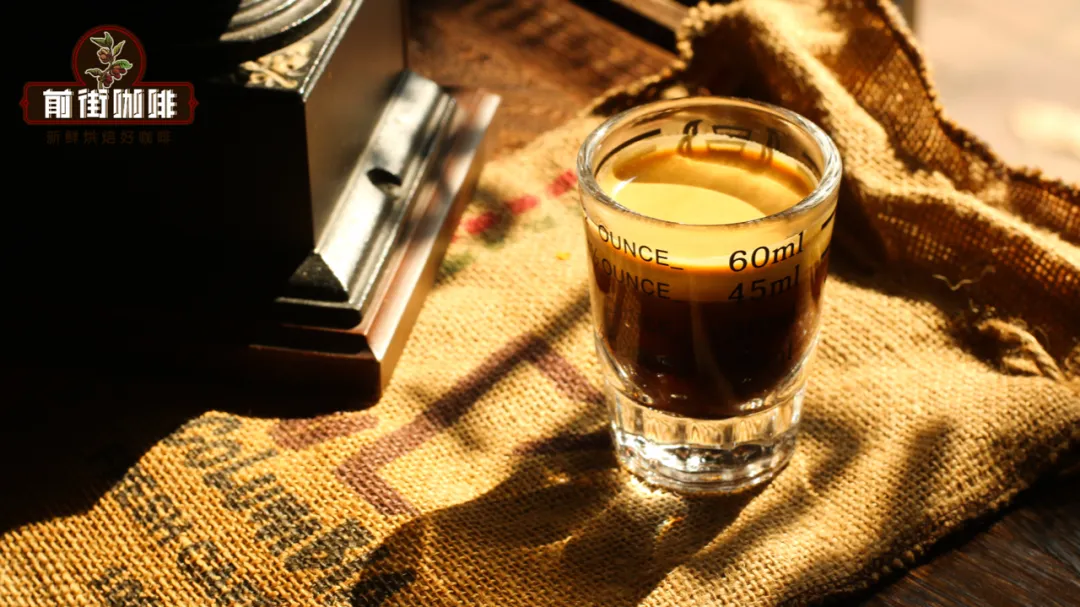
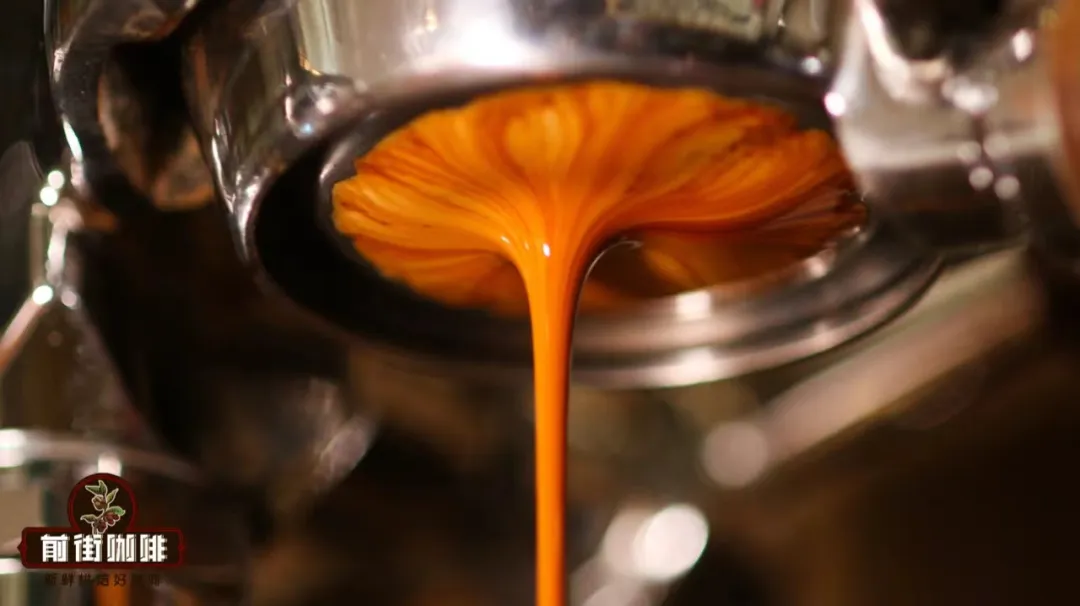
To extract ideal espresso crema, in addition to choosing coffee beans with high carbon dioxide content, adjusting extraction parameters is equally crucial. Generally, using a standard pressure of 9 bar, along with water at 90–96°C, can effectively bring out the carbon dioxide and stabilize the foam. Grind size should be fine-tuned based on the bean condition—too coarse leads to fast flow and under-extraction; too fine may cause over-extraction and channeling, which actually damages the crema structure.
Tamping pressure is also a key factor influencing crema appearance. It is recommended to apply even and moderate pressure (about 30 pounds, equivalent to 13–15 kilograms), ensuring the coffee puck is compact without gaps so the water flows evenly through, which helps form a smooth and continuous crema layer. Also, maintaining a steady flow rate and angle when pouring can prevent excessive disturbance of the foam, preserving the integrity of the crema.
It’s worth noting that overemphasizing crema thickness can lead to misconceptions. Some shops may claim that “thick crema equals good coffee,” but in truth, crema is just a phenomenon during extraction, not a flavor indicator. Some premium coffees, due to bean variety traits or light roast styles, may naturally not produce thick crema, yet still deliver outstanding flavor. Therefore,evaluating the quality of a shot of espresso should still take into account multiple factors such as aroma, acidity-sweetness balance, body, and aftertaste.
If you want to consistently pull espresso with a rich crema at home, you can start by focusing on the following: selecting freshly roasted medium to dark roast beans, controlling grind size and tamping pressure, ensuring stable extraction pressure and water temperature, and observing flow rate and crema formation. Through continual adjustment and practice, you’ll better master the essence of extraction and enjoy the visual and olfactory pleasure that crema brings.
The above content is compiled by CoffeeHunters, a coffee news website.


