







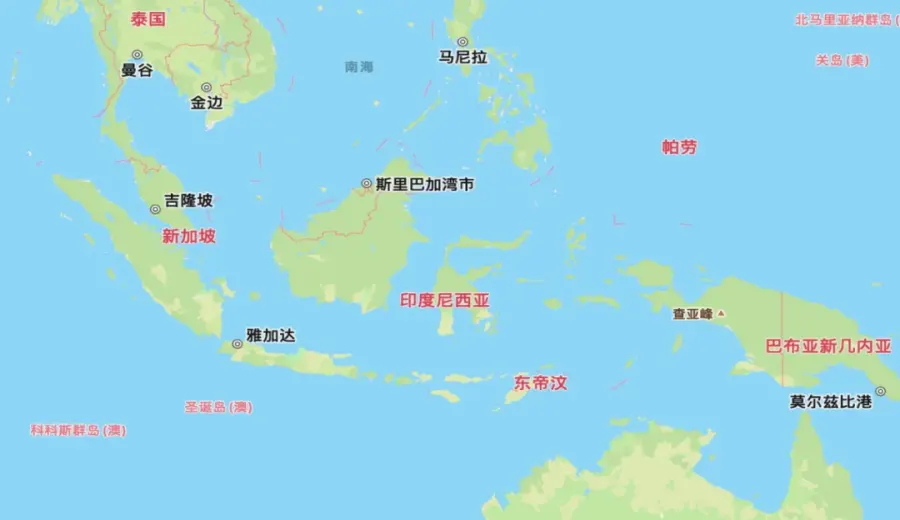
Introduction:As the world’s fourth-largest coffee-producing country, Indonesia’s archipelagic geography and tropical climate nurture uniquely flavorful coffees. This article will delve into the characteristics of Indonesia’s major coffee-growing regions, explore the historical anecdotes and flavor profiles of Sumatra’s Mandheling coffee, and provide a detailed explanation of Indonesia’s official green bean defect grading system and common grades. Readers will learn about the impact of the wet-hulling process, recommended brewing parameters, and how to identify high-quality Indonesian coffee beans.
Indonesia is the world’s fourth-largest coffee producer, and its unique “archipelagic” geography and tropical rainforest climate produce distinctly flavored coffee beans. Major producing regions include Sumatra, Sulawesi, Bali, and Java, among which Sumatra’s Mandheling coffee is world-renowned for its bold and rich character. Interestingly, “Mandheling” is not a coffee variety or place name, but originates from the name of an ethnic group in the region, and its naming history is even tied to a small anecdote from World War II.
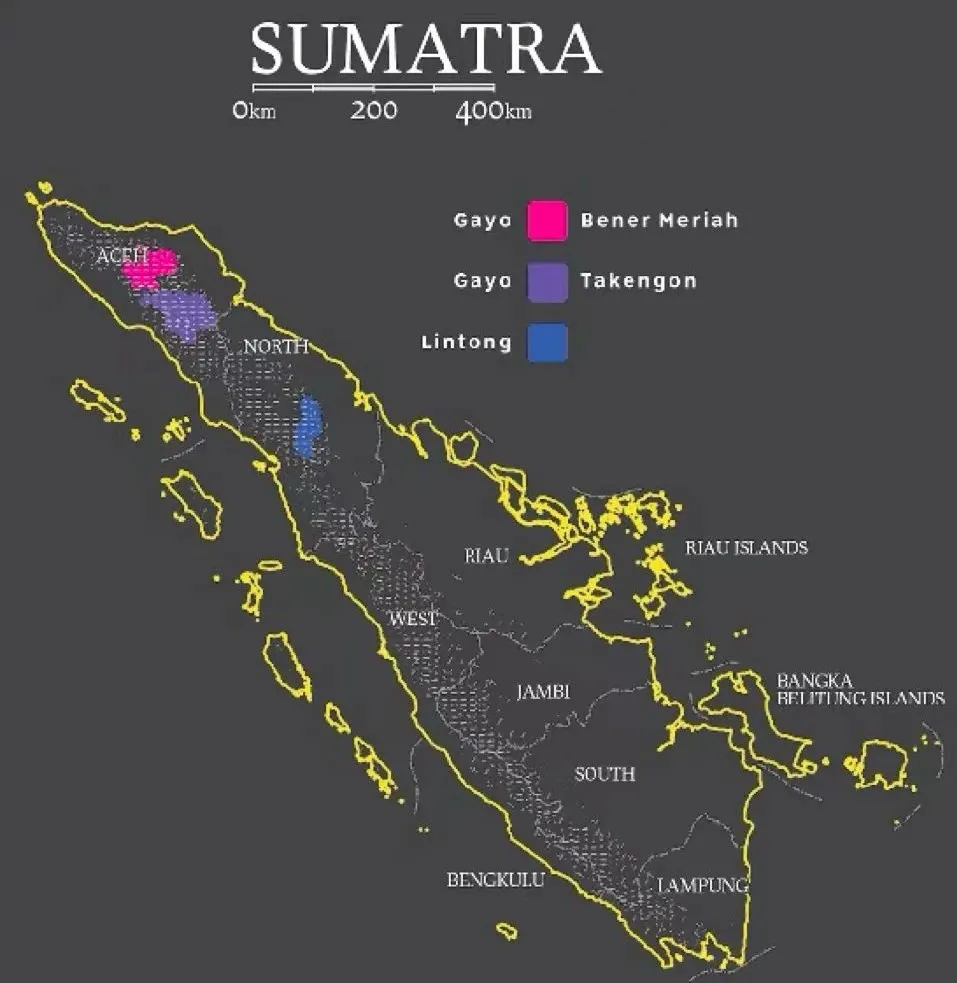
As Indonesia’s largest island, Sumatra features diverse terrain. Its western part is dominated by the Barisan Mountains, home to around 90 volcanoes that contribute fertile volcanic soil. This, combined with the nourishment from highland lakes such as Lake Toba, creates an ideal environment for coffee cultivation. The northern part of the island mainly grows Arabica varieties, concentrated in the Lintong and Gayo highland regions at elevations of 1,400 to 1,800 meters, while the southern part primarily produces Robusta. Among these, the volcanic soil areas around Lake Toba in the Lintong region, due to their elevation and microclimatic conditions, are considered prime locations for high-quality Arabica coffee.
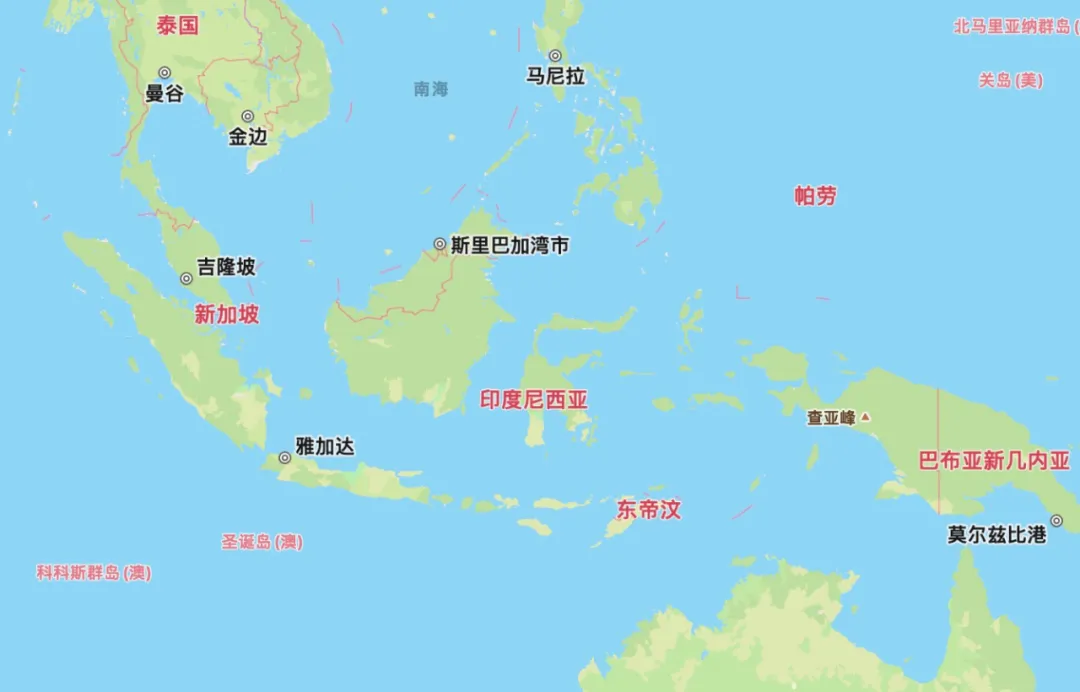
Indonesia’s official coffee grading system is primarily based on the number of defective beans found in a 300-gram sample of green beans. According to Indonesian national standards, common grades include TP and DP, where TP (Triple Picked) allows no more than 5 defective beans, and DP (Double Picked) permits up to 9 defective beans. This grading method effectively distinguishes the quality of green beans and serves as an important reference for subsequent roasting and extraction. Understanding these basic grades helps consumers make more informed choices when purchasing Indonesian coffee beans.
In terms of processing methods, Indonesian coffee beans often undergo the wet-hulling process (Giling Basah). This method involves partial removal of the mucilage and parchment before initial drying, which helps enhance flavors with earthy, herbal, and spicy notes. For example, in the Lintong region, the locally common Ateng variety (the local term for Catimor) is processed using wet-hulling and dark roasting to bring out pronounced black chocolate, herbal aromas, and a rich, caramel-like finish—ideal for coffee lovers who prefer a full-bodied cup.
For pour over or drip brewing, it is recommended to use a medium-fine grind, with water temperature controlled at 90–93°C, and a coffee-to-water ratio of 1:15 to 1:16. This highlights the rich layers and low acidity typical of Indonesian coffee. Those who prefer a bolder flavor may slightly increase the roast level, making the spice and chocolate notes more prominent. It should be noted that wet-hulled coffee beans are usually denser, so care should be taken during roasting to monitor development time and avoid excessive bitterness.

Indonesia is not only a globally significant coffee producer but also one of Asia’s major coffee-exporting nations. The most distinctive feature of its coffee is its full body and unique spicy, herbal aromas, which differ from the bright, high-acidity profiles commonly found in African coffees and instead showcase the region’s distinctive terroir. Whether you’re trying Indonesian coffee for the first time or have already experienced Mandheling, you can find a flavor to suit your palate among its varied regions and processing methods.
In summary, understanding Indonesia’s coffee-growing regions, flavor characteristics, and green bean grading standards not only improves bean selection accuracy but also helps refine brewing strategies to fully showcase each coffee’s potential. Whether you’re looking for a daily drinker or wish to explore deeper, more complex flavors, Indonesian coffee is well worth adding to your tasting list.
The above content is compiled by CoffeeHunters, a coffee news website.


