








Introduction:On hot summer days, an iced pour over not only cools you down but also showcases the layers of dark roasted beans. However, ice dilution and rapid cooling often make dark roast pour overs taste bitter and watery. This article uses Golden Mandheling as an example to detail key extraction points—including low water temperature control, coarse grind settings, slow-flow filter options, as well as the practical 1:10:5 coffee-to-water-to-ice ratio and a five-step pouring rhythm—to help you brew a rich, long-lasting iced pour over with chocolate and nutty notes right at home.
On sweltering summer days, stepping out of an air-conditioned room can feel like entering an oven. At times like these, a refreshingly cool iced pour over is undoubtedly an excellent choice to revive your spirits. However, if you opt for dark roast beans, such as classic varieties like Golden Mandheling, it's easy to end up with an overly smoky flavor and a bitter, thin mouthfeel due to excessively high water temperature or too-rapid cooling. This article will take you in-depth into how to achieve a balanced and captivating iced pour over through precise extraction parameters and delicate pouring techniques.

Many people are accustomed to brewing dark roast beans directly with hot water and then adding ice cubes to cool them down, but they overlook that once ice meets hot coffee, it not only rapidly dilutes the concentration but also causes many delicate aromas—such as caramel, toffee, and toasted bread—to quickly dissipate. In the end, all that remains is a thin bitterness and watery texture. In fact, by mastering the correct brewing method, dark roast beans can also showcase rich sweetness and a full-bodied texture.
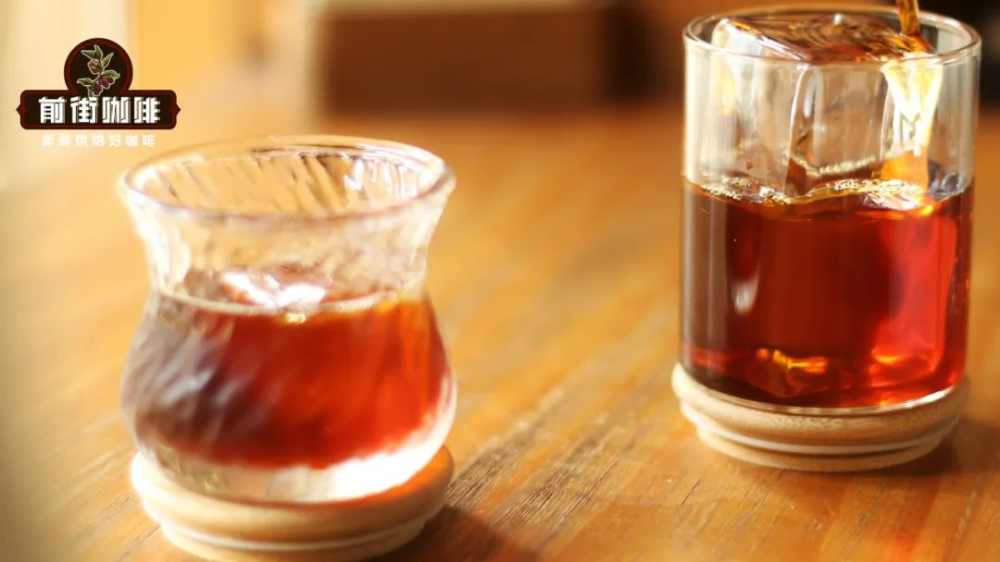
First, choosing the right beans is the first step to success. It’s recommended to select dark roast beans like Golden Mandheling, which have plump and uniform particles. Not only does this ensure consistent particle size after grinding, but it also aids in stable extraction. These beans offer intense aromas of chocolate, nuts, and maple syrup, making them a classic choice for many coffee enthusiasts. Note that the beans should be freshly roasted to retain their fullest flavor expression.
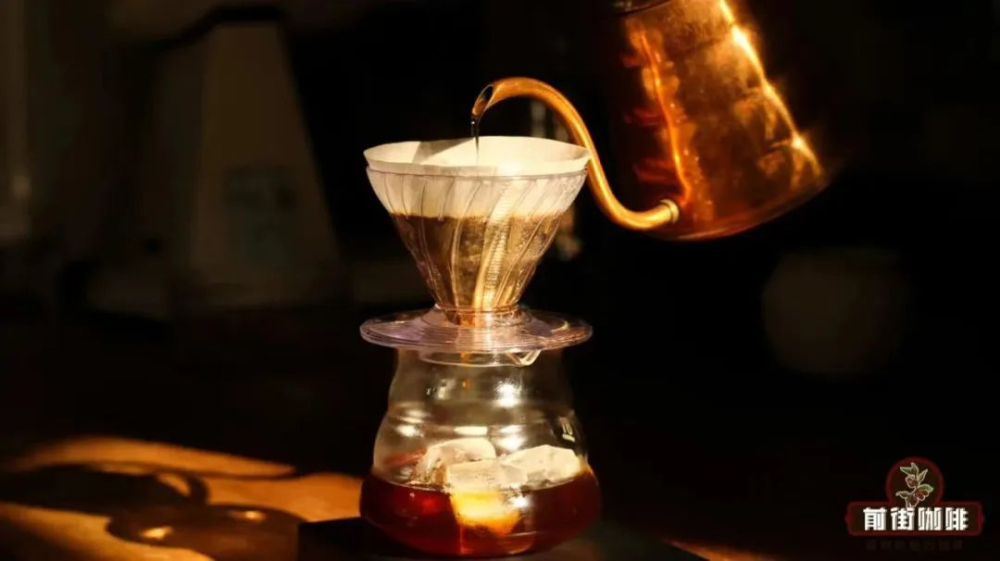
When extracting, never use high water temperatures. Dark roast beans already have a relatively loose structure, and brewing them directly with water above 90°C can cause large molecular compounds such as woody flavors and burnt bitterness to be released too early, resulting in a smoky and astringent cup. It’s recommended to control the water temperature between 85°C and 88°C. This approach gently draws out deeper sweetness without provoking negative flavors.
Additionally, using a slow-flow filter such as a KONO, cake drip, or Kalita, along with a grind size similar to coarse sugar, is also key. These filters extend the water flow time, allowing for more thorough extraction, while a coarse grind helps avoid over-extraction and maintains a refreshing mouthfeel. It’s recommended to use a 1:10:5 coffee-to-water-to-ice ratio—that is, for every 1 gram of coffee grounds, use 10 grams of water and 5 grams of ice. This ratio helps balance concentration and flavor release.
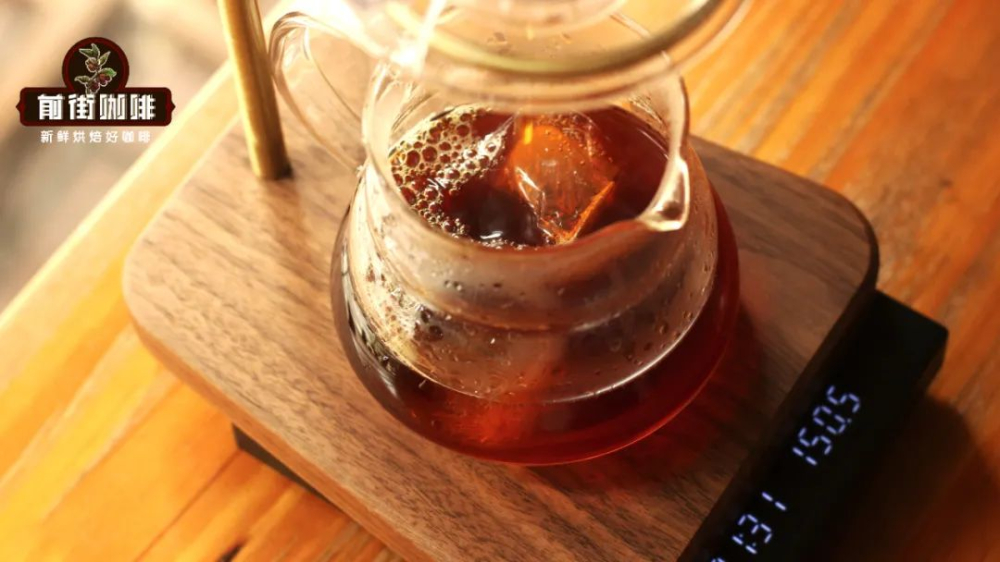
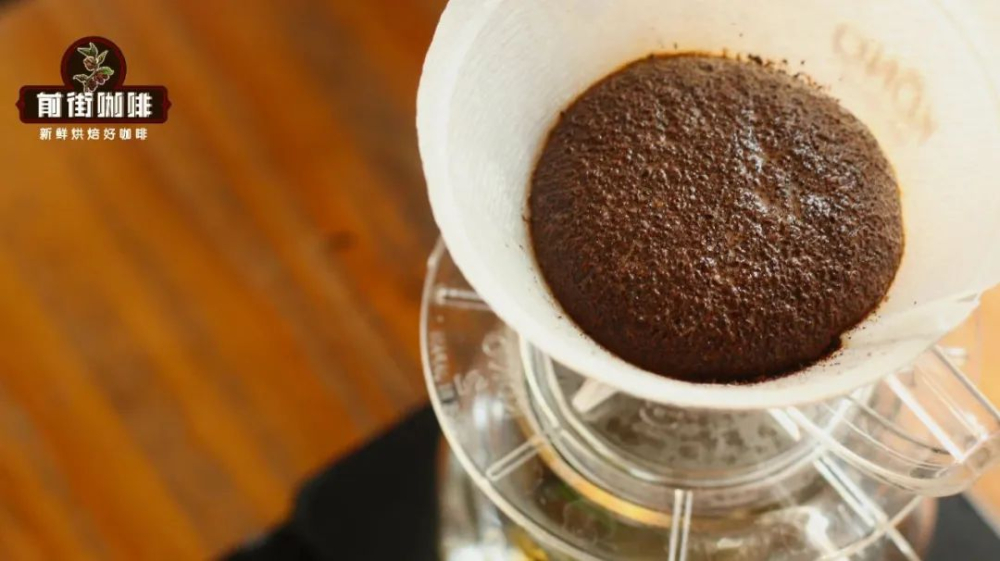
In practice, it’s suggested to start by placing 100 grams of ice cubes in the bottom carafe as the base. Then proceed with extraction via a multi-step pouring method: For the first pour, add 40 ml of hot water and gently circle small circles to allow the coffee bed to expand into a “burger” shape, followed by a 30-second bloom. This step activates the coffee grounds and releases initial aromas.
Next, for the second to fifth pours, add 40 ml of hot water each time, using a small stream to circle around the center. The pouring area should be slightly larger than a one-yuan coin. Be sure to keep your pouring hand steady to avoid excessive turbulence. When slight waves or a slight dip appear in the center of the liquid surface, continue to the next pour. The overall pouring rhythm should maintain even intervals so that each layer of water can evenly penetrate and gradually release flavors.

The total extraction time is recommended to be kept between 1 minute 55 seconds and 2 minutes 10 seconds, with slight adjustments based on actual dripping speed. Once all the hot water has been poured in stages and the coffee has fully dripped through, remove the filter. At this point, gently shake the bottom carafe to allow the ice and coffee liquid to mix thoroughly. Meanwhile, feel the temperature with your hand, and once the iced coffee reaches a pleasantly cool drinking temperature, it’s ready to enjoy.
The resulting iced pour over Golden Mandheling is silky on the palate, with almost no bitterness. The low temperature further highlights the rich aromas of chocolate, maple syrup, and nuts, with a thick and layered mouthfeel. As the ice melts gradually, the coffee concentration naturally decreases, shifting the flavor to refreshing and soft, yet the finish still carries a charming hint of caramel and cedarwood, with a lingering aftertaste that leaves a deep impression.
The above content is compiled by CoffeeHunters, a coffee news website.


