







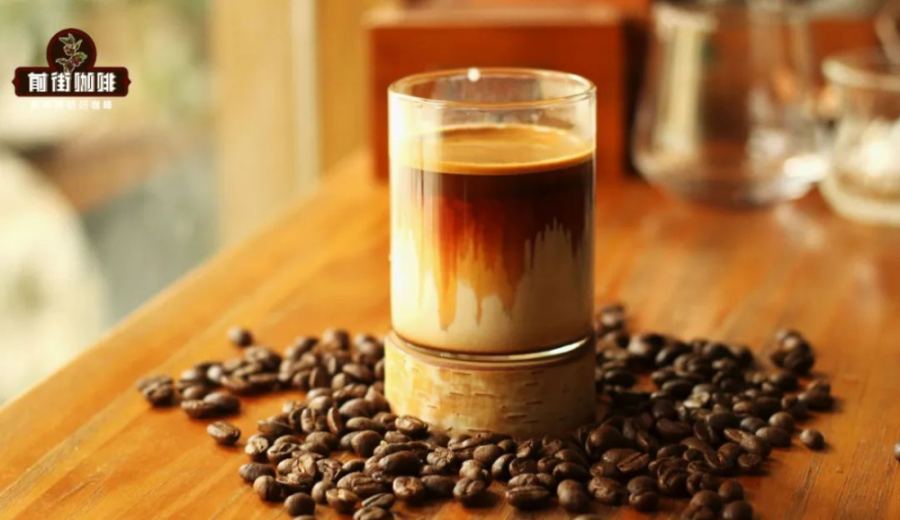
Introduction:Dirty coffee has become a favorite among many coffee enthusiasts for its unique hot-and-cold layering and rich flavor. But do you know why this seemingly simple coffee is rarely available for delivery? This article delves into the fundamental differences between Dirty and a regular iced latte — from layering techniques, the optimal time to enjoy it, to the changes that occur during delivery — to help you understand the charm and challenges of this “drink it fresh” coffee.
Dirty coffee is often mistaken for an iced latte without ice, but in fact, it differs significantly in cup size design, layering effect, and drinking rhythm. This coffee creates a unique blend of hot and cold flavors through the natural layering of espresso and iced milk. However, precisely because this layering is extremely delicate, it begins to lose its original visual and taste layers after just ten minutes, and after twenty minutes, it can even resemble a regular milk tea. Therefore, Dirty cannot withstand the bumps and delays of delivery like a latte. Its appeal lies in the immediate experience of “made-to-order, drink-immediately.”
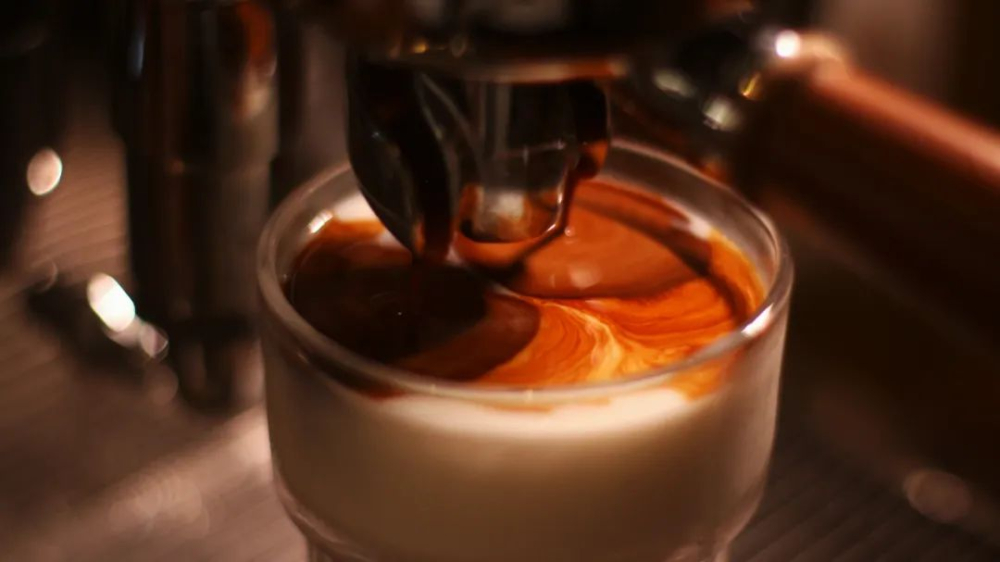
A reader once asked: What exactly is Dirty? Simply put, it’s when a shot of espresso is poured directly over iced milk. Hearing this explanation, many instinctively ask, isn’t that just an iced latte? In fact, Dirty can be seen as an “iced-latte version without ice,” but the two differ significantly in detail. While both are served in clear glass cups and follow the same pouring order — milk first, then coffee — Dirty usually comes in a smaller cup, emphasizing a bold, sip-by-sip experience rather than sipping slowly.
If you look only at ingredients and basic structure, Dirty is indeed very similar to an iced latte without ice — both are a combination of milk and coffee, and both work well in clear cups for visual effect. But as soon as you delve into the making process, you’ll find that Dirty demands stricter control over layering, which is the biggest difference between it and other milk-based coffees. To achieve clear layering, baristas must control the flow rate when pouring the hand-poured espresso, letting it slowly land on the surface of the iced milk. By leveraging the temperature and density differences between the two, a natural gradient from dark to light forms, while preserving the coffee crema to create a captivating contrast between visuals and flavors.
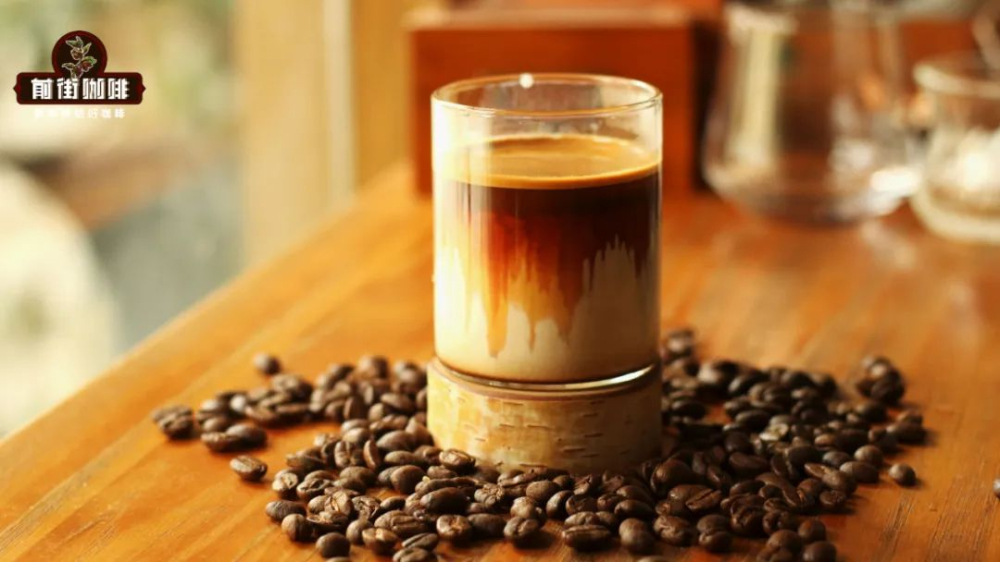
Once a Dirty is completed, the best way to enjoy it is without a straw — take a big sip directly. This allows you to simultaneously experience the intense bitterness of the concentrated espresso on top and the smooth sweetness of the iced milk below, feeling the strong contrast between hot and cold. As you continue drinking, the ratio of espresso to milk gradually shifts, delivering different flavor balances with each sip — that’s what makes Dirty so appealing. Many specialty coffee shops further enhance the layers of this coffee by using richer-textured Iceberg fresh milk, adjusting the extraction parameters of the espresso, or even pre-chilling the glass to make an “ice cup,” or adding toppings like crushed nuts or cinnamon powder around the rim to enrich the overall sensory experience.

Although Dirty and iced latte become nearly indistinguishable once stirred together, Dirty emphasizes not stirring and instead enjoying the multi-layered texture changes directly. That’s why it’s not just a coffee, but also an experience that values timing and method. Many customers are advised for their first Dirty not to rush for a straw, but to lift the cup and drink directly, in order to appreciate the original intent of its design.
However, Dirty’s beautiful layering and unique flavor also mean it is fragile. According to actual tests, a Dirty made according to standard procedure (using an ice cup, fresh milk, and a balanced-flavor espresso recipe) has exceptional visual layering and a distinct hot-and-cold contrast right after preparation. But just ten minutes later, the milk begins to warm, the white gradient gradually blurs, and the crema slowly dissipates; by twenty minutes, the whole drink takes on the color of milk tea, the temperature approaches room temp, and the original layers and flavors are greatly diminished. This is why many baristas always remind customers to drink Dirty as soon as possible, sometimes even “urging” them to enjoy it on the spot.
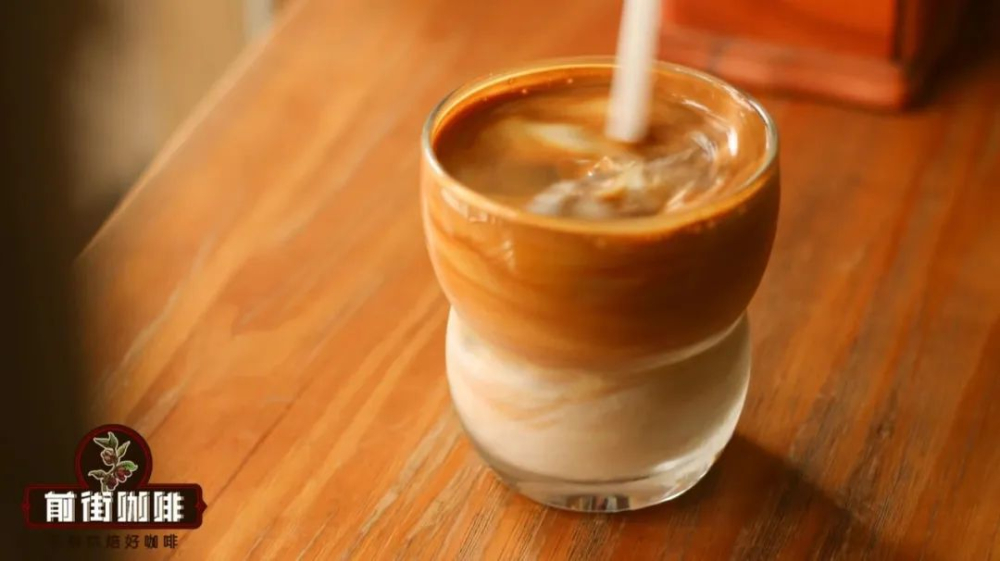
This leads to another common question: Since Dirty and latte both belong to the milk coffee category, why can lattes be delivered while Dirty is almost never offered for delivery? To test this, we simulated a delivery scenario, packing a Dirty and a hot latte together and conducting a shaking test. The results showed that after dozens of shakes, the hot latte — although its latte art pattern was slightly blurred — remained a hot beverage with its basic flavors preserved; whereas the Dirty, due to the mixing of cold and hot liquids, quickly lost its layering, turning into something resembling a stirred iced latte, completely unrecognizable from its original form. This illustrates how Dirty’s reliance on layering and immediate enjoyment makes it unsuitable for long transit or delivery.
In summary, Dirty coffee is not just an “iced latte without ice,” but a premium coffee that combines visual aesthetics, flavor contrast, and instant gratification. Understanding its layering principle, optimal drinking time, and delivery limitations can help you better appreciate the uniqueness of this coffee, and also make more suitable choices when ordering.
The above content is compiled by CoffeeHunters, a coffee news website.


