







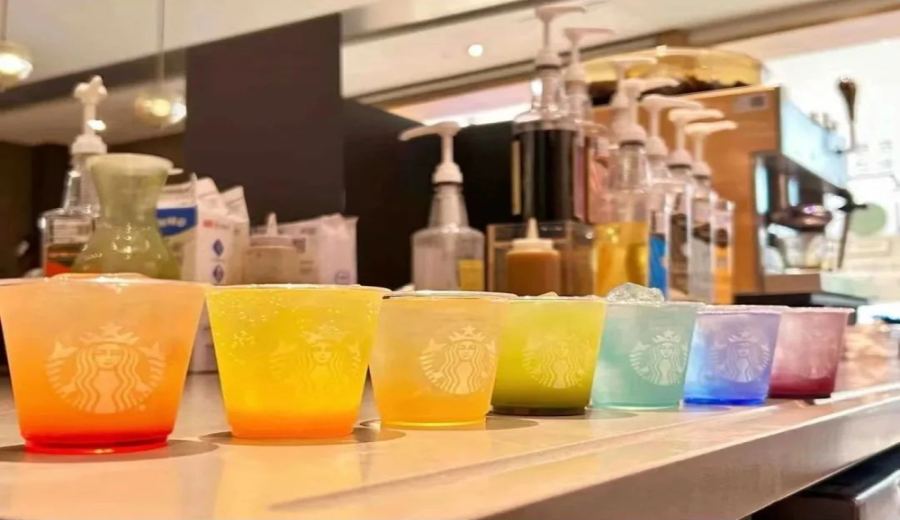
Introduction:Recently, several high-aesthetic Starbucks "fantasy specialty drinks" have been circulating on social media, but they are actually created by employees using improvised combinations of ingredients such as blueberry powder. These DIY beverages, ranging in color from crystal-clear sky blue to dreamy misty purple, are visually striking but are occasionally joked about as looking "like glass cleaner." This article delves into the origins of this blueberry powder DIY trend, offers practical color-mixing tips, and shares common fails to help coffee enthusiasts experiment safely.
Social media has recently seen a surge of stunning-looking Starbucks "hidden specialty drinks." Dubbed "dreamy new arrivals" by netizens, these drinks are actually improvised creations by staff using materials such as blueberry powder. From clear sky-blue to soft misty purple, even eye-catching aqua tones—coffee counters have turned into palettes, catching the attention of consumers who value visual aesthetics in beverages.
The inspiration for this creative trend comes from Starbucks' earlier launch of the Matcha Pudding Mountain series. At the time, the R&D team added blueberry powder as a coloring element to match the "blue sky" theme. However, since it was only used as a subtle accent, many customers reported that the drinks had almost no flavor, and the market response to the three new drinks was generally lukewarm. Little did anyone expect that this originally decorative blueberry powder would later become a catalyst for barista creativity.
It is understood that during one shift, a Starbucks partner happened to notice some unused blueberry powder on the shelf and, on a whim, tried mixing it with other colorless bases, successfully creating a specialty drink with a transparent sky-blue hue. Once photos of the drink were posted on social media, it quickly inspired other employees to imitate and further innovate, sparking a DIY color-mixing craze.
In fact, using blueberry powder as a coloring additive is not a new practice—baristas have experimented with it over the past few years to achieve unique hues. However, this large-scale employee-driven creativity has not only reignited interest in blueberry powder coloring but also unexpectedly unlocked a variety of previously unseen color combinations. Many staff joke: "Ever since we got blueberry powder, Starbucks has basically turned into a potion cabinet."
Blueberry powder has unique color-shifting properties—it can produce unpredictable tone changes when mixed with different colored beverages. Its color rendering is influenced by both the amount added and the base color, so when mixed with colorless or light liquids (such as coconut water or coconut milk), it’s like opening a mystery box—full of surprises and challenges.
In practice, some employees have added trace amounts of blueberry powder and flavored syrup to colorless coconut water, successfully creating a clear indigo-hued specialty drink; others have accidentally added too much blueberry powder by hand tremor, turning the drink instantly deep purple; some have opted to mix blueberry powder into white coconut milk to create a soothing aqua shade; there are even creative minds who add raspberry syrup at the bottom of the cup to form a vivid orange-red gradient. Some have even gone as far as attempting full-spectrum combinations of red, orange, yellow, green, cyan, blue, and purple for visual impact.
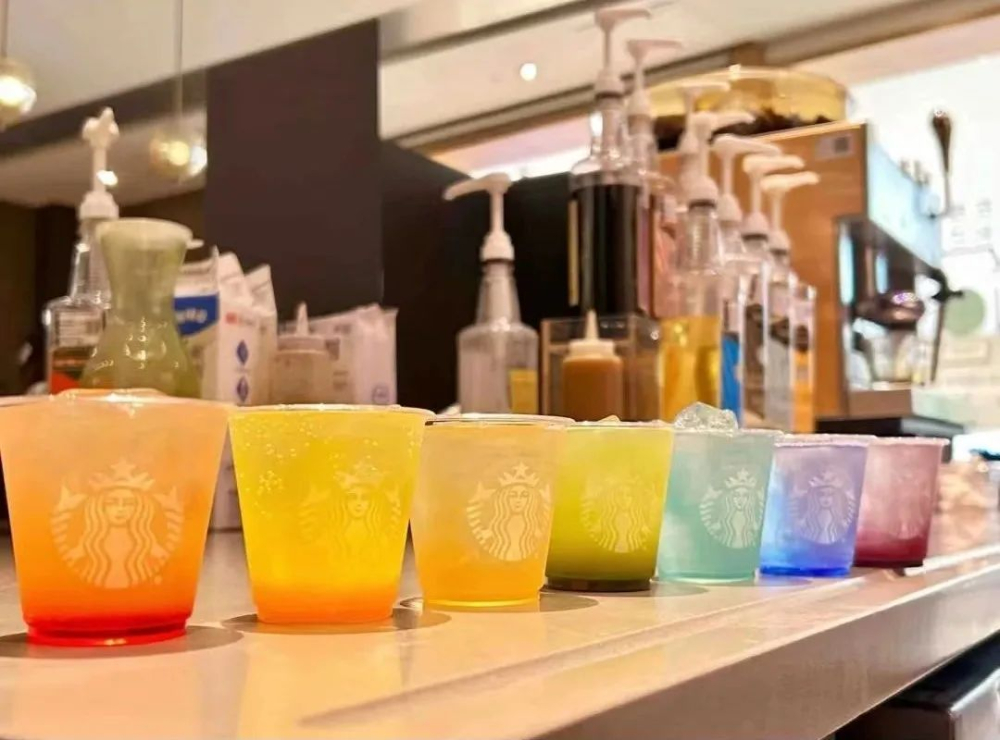
However, while blueberry powder has powerful coloring capabilities, its overly cool tones can also suppress appetite, and improper mixing can easily lead to fails. Many employees trying to replicate successful recipes have accidentally created what are jokingly called "glass water" or "toilet bowl cleaner" – transparent, flavorless drinks; some cases resulted in bizarre "starry night" hues due to wrong proportions; and there are even instances where pairing with black tea made the entire drink emit an off-putting smell, dubiously nicknamed "stinky water."
As for how these employee-created "hidden recipes" actually taste, only those who have tried them know firsthand. It’s important to note that these specialty drinks are all privately mixed by staff and are neither official Starbucks products nor part of any store’s secret menu—so customers theoretically can’t order them directly in stores. (One partner joked: "Of course, unless you’re considering buying mooncakes…")
The above content is compiled by CoffeeHunters, a coffee news website.


