








Introduction:Want to enjoy great coffee but afraid of pour over mistakes? Immersion brewing might be your savior. Compared to pour over methods that require precise water flow control, immersion brewing with tools like the clever dripper is not only simpler to operate but also more forgiving. This article will deeply explore the differences between immersion and filtration brewing, debunk the myth that "immersion coffee has inferior flavor," and provide practical tips to help you easily brew delicious coffee.
To brew a satisfying cup of coffee, besides getting the extraction parameters just right, stable pouring technique is also key. Many pour over enthusiasts know that using a circular pouring method is to ensure the hot water evenly contacts the coffee grounds in the filter, thereby extracting balanced flavors. However, factors such as water flow strength, total pouring volume, and the range of the pour all rely on experience and feel—any slight misstep can lead to over-extraction or under-extraction.
If you prefer to enjoy a good cup of coffee more simply, consider switching to immersion brewing. Tools like the clever dripper or French press have a lower learning curve, and even with immersion times as long as seven to eight minutes, they usually don’t produce obvious bitterness or off-flavors. Next, we’ll compare immersion and filtration brewing in detail and explain how to achieve excellent results with the right parameters.
"Not hard, anyone can do it!" But if you want to brew a truly delicious cup... "then it gets a bit tricky!"
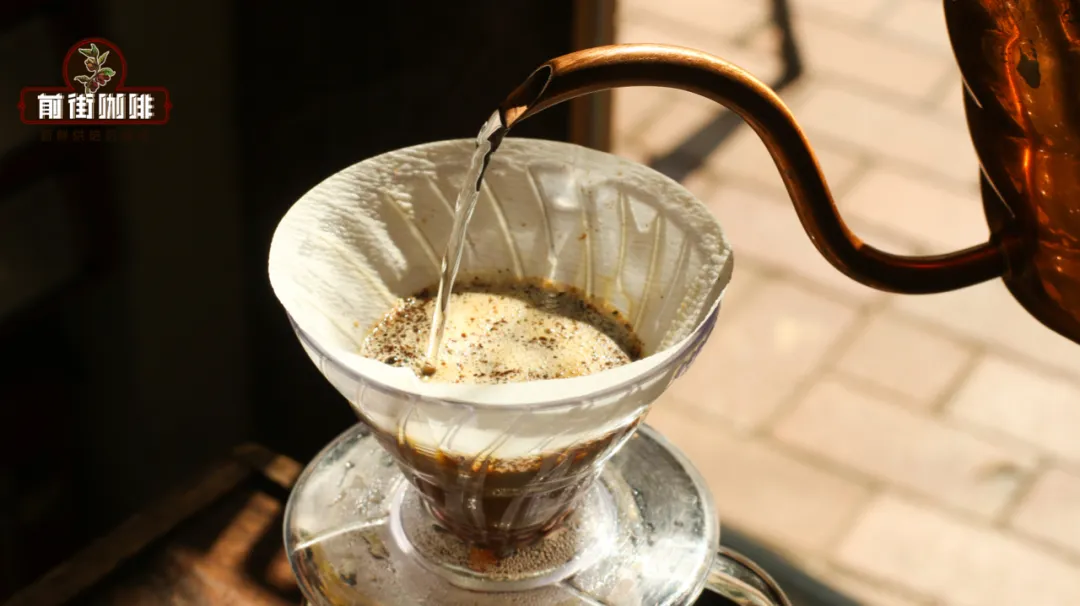
To get a cup of coffee with balanced flavor and satisfaction, besides reasonable extraction parameters, you also need the skill to control water flow. During pour over, we often emphasize circular pouring to ensure every coffee particle is evenly saturated, extracting a full and balanced flavor profile. However, variables like water flow fineness, total pouring amount, and pour range all require manual adjustment and directly impact the final extraction. Without familiarity with these techniques, uneven extraction can easily occur, resulting in either a weak or overly bitter cup.
Just imagining these steps—isn’t it already giving you a headache?
That’s exactly what we think too. If you just want to easily enjoy a good cup of coffee without diving into complex brewing theories or practicing water control, then aside from mastering the basics, there’s an even simpler option—why not skip pour over altogether?
There are actually many ways to brew single-origin coffee, and filtration isn’t the only way. If you’re after something more convenient and simple, immersion brewing could be the better choice.
So-called "filtration brewing" refers to methods like pour over, where coffee liquid continuously flows out while pouring water. In contrast, "immersion brewing" involves steeping coffee grounds in hot water for a period before filtering, commonly done with tools like the clever dripper or French press.

Compared to filtration, immersion brewing has significantly higher fault tolerance and is far less prone to over-extraction. This is mainly due to two factors: first, water temperature naturally decreases over time during immersion rather than being maintained at a constant high temperature; second, coffee grounds remain undisturbed during steeping—there’s no manual stirring to agitate the coffee bed—so the amount of material extracted by the hot water is relatively limited.
Because of this, immersion brewing is not only easier to operate, but even if you accidentally steep for seven or eight minutes, you usually won’t end up with an over-extracted, undrinkable cup. Moreover, with reduced human interference, we can more directly taste the original flavors of the coffee beans themselves.
Some might ask—if immersion is so convenient, why do most coffee enthusiasts still prefer pour over? Is the flavor of immersion coffee really inferior to that of filtration brewing?
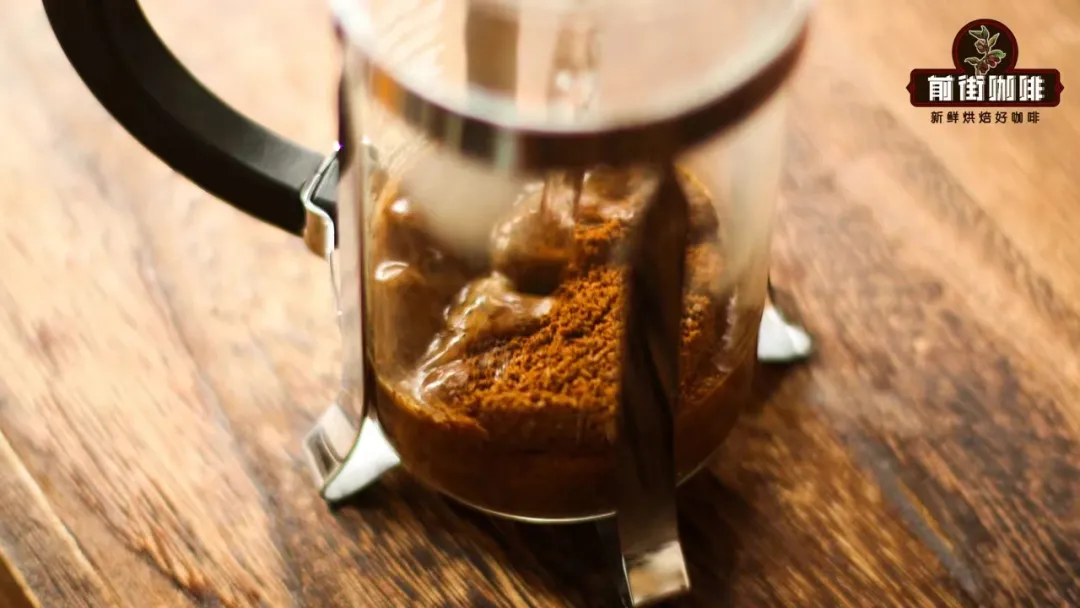
In reality, the difference between immersion and filtration isn’t simply a matter of better or worse. Though the two methods highlight different flavor characteristics, that doesn’t mean one is inherently superior. For example, pour over coffee often showcases more layered complexity and subtle details, while immersion coffee typically has a richer, fuller body.
Many believe immersion coffee has bland flavors, often because they haven’t used the correct parameters. In truth, improper pour over settings can just as easily result in a bad cup. Therefore, as long as you master the right extraction conditions, immersion coffee can also deliver surprisingly delicious results.
In summary, no matter which brewing method you choose, understanding its characteristics and key parameters is the first step to brewing great coffee. If you want to enjoy coffee more effortlessly, give immersion brewing a try—you might be pleasantly surprised by the results.
The above content is compiled by CoffeeHunters, a coffee news website.


