







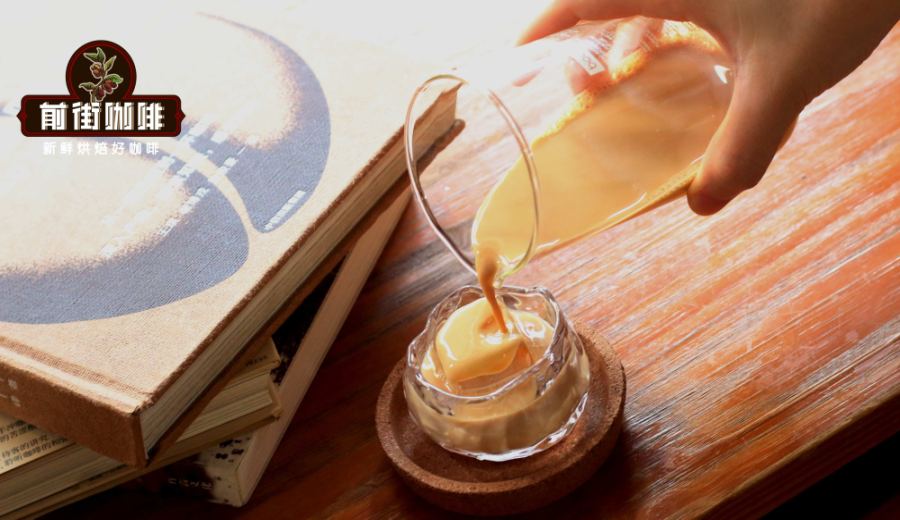
Introduction:Want to brew a latte-like drink at home using drip coffee bags but worried about weak concentration? In fact, by adjusting the coffee-to-water ratio, extraction time, and applying the right techniques, you can create a rich and smooth milk coffee even without an espresso machine. This article explains the principles and practical methods, including stirring and microwave heating, to help you elevate your coffee experience with what you have on hand.
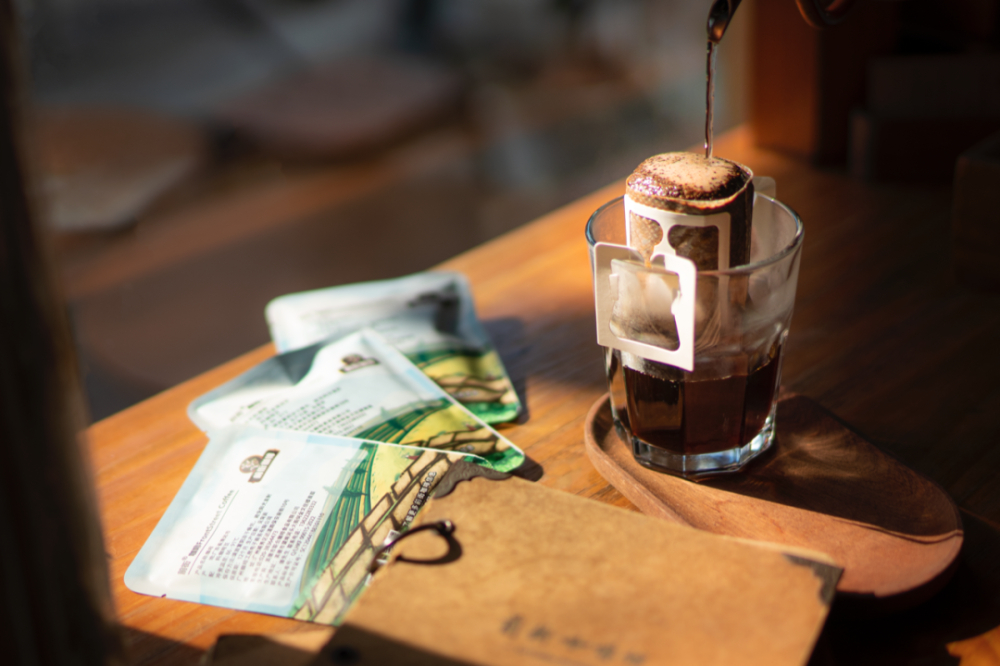
Many coffee enthusiasts with limited home equipment often wonder if they can brew a latte-style drink using drip coffee bags. The reason lattes are so popular is their perfect balance of strong coffee base and just the right amount of milk. Even with a generous amount of milk added, the distinct aroma of coffee remains prominent, and the taste is sweet and silky—suited to most palates.
However, drip coffee bags use a pour-over style of drip extraction. The pre-ground coffee is constrained by fixed coffee-to-water ratios and drip speed, making it difficult to extract sufficient coffee concentration through standard procedures alone. But by adjusting parameters and using the right methods—such as increasing the amount of coffee grounds, reducing total water volume, or incorporating stirring or microwave heating—you can significantly enhance extraction efficiency and produce a rich milk coffee that closely resembles the flavor of a latte.
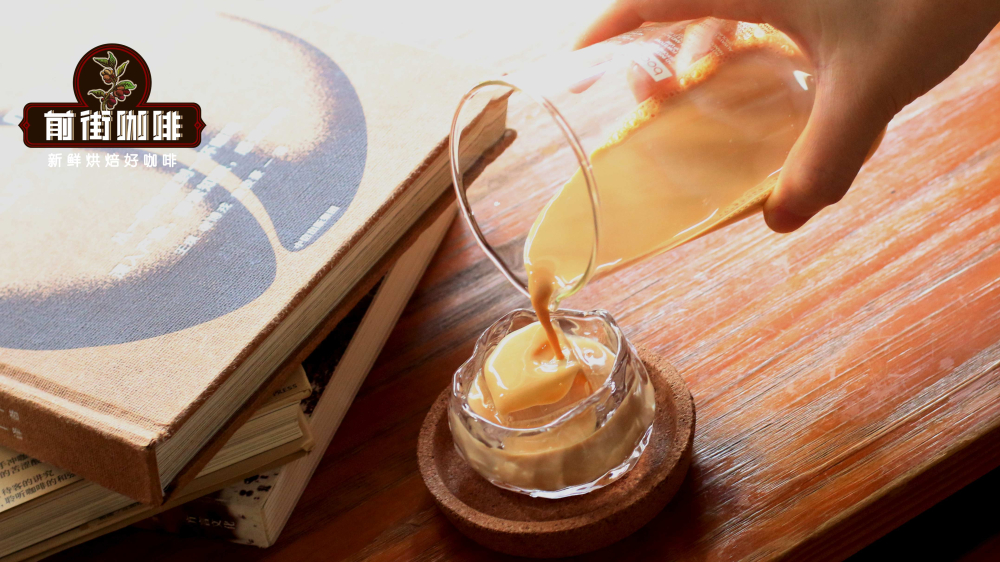
A customer once asked: “I only have drip coffee bags at home. Can I still make a decent latte?” The answer is yes—provided we adjust our strategy. First, it’s important to understand that the essence of a latte lies in a high-concentration coffee base, typically achieved through the high-pressure extraction of an espresso machine, yielding espresso. This type of coffee liquid is highly concentrated and intense in flavor, and even when a lot of milk is added, the coffee character isn’t easily masked.
Conversely, without professional equipment, pressurized devices such as a moka pot or AeroPress can also deliver a coffee strength similar to espresso. However, drip coffee bags are a simplified form of pour over. They come pre-portioned with a fixed amount of ground coffee contained in a filter bag—convenient, yes—but the extraction relies solely on drip or immersion, which is significantly less efficient.
Additionally, the grind size of the coffee inside drip coffee bags is factory-fixed, leaving users unable to adjust based on conditions. This further limits our control over the extraction process. Under such constraints, fully replicating the intensity of espresso for a true latte is indeed challenging. But if the goal is shifted to creating a “milk coffee with latte-like richness,” it’s entirely achievable.

To make a milk coffee with a smooth mouthfeel and pronounced coffee aroma, choosing the right type of coffee bean is also crucial. It is recommended to select medium to dark roasted drip coffee products. These coffees usually feature rich caramel, nutty, or dark chocolate notes, which pair well with milk to deliver a soft and balanced flavor. For instance, drip coffee with hints of roasted peanut, dark chocolate tones, or those offering spicy and caramel layers are all great choices.
If you want to brew a latte-like intense coffee using drip bags, the key lies in adjusting extraction parameters. The foremost task is to increase the coffee-to-water ratio and reduce the total water volume, thereby extracting more coffee flavor substances per unit volume. Traditional drip methods are inefficient with very small water amounts, so it’s advisable to switch to immersion extraction and optimize water temperature and steeping time.
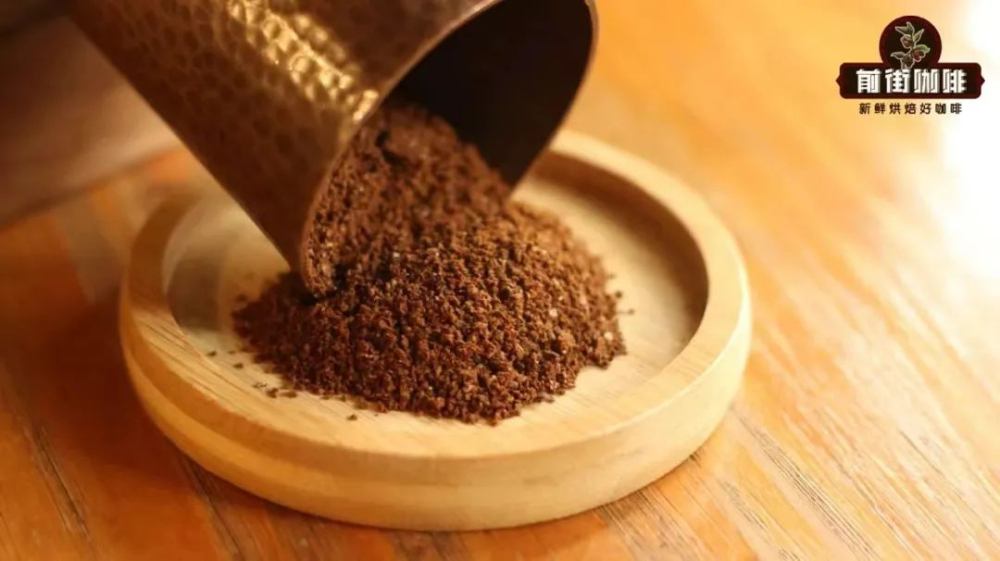
In practice, you can boost overall extraction by increasing the amount of coffee grounds. For example, using 20 grams of coffee grounds and adding 100 milliliters of hot water at a ratio of about 1:5. Due to the water-absorbing properties of coffee grounds, this will ultimately yield approximately 60 milliliters of concentrated coffee liquid. Since a standard drip bag contains 10 grams, you’ll need to use two bags to reach this amount.
First, open both drip bags and pour all the coffee grounds into a clean container. Then, heat the water to 100°C and pour it into the container while starting a timer. It is recommended to use a stirring stick to mix evenly for about 30 seconds, which helps accelerate flavor release. After stirring, let the coffee grounds steep for about one and a half minutes. This phase allows the coffee substances to fully dissolve, enhancing overall concentration.
Once the time is up, carefully remove the inner drip bag and suspend it over the edge of another cup, allowing the filtered coffee liquid to flow into the lower container and separate from the coffee grounds. The resulting coffee liquid now has a relatively high concentration. You can then pour in a suitable amount of hot or iced milk according to personal taste, with a recommended coffee-to-milk ratio between 1:3 and 1:4 to achieve a smooth and rich flavor.
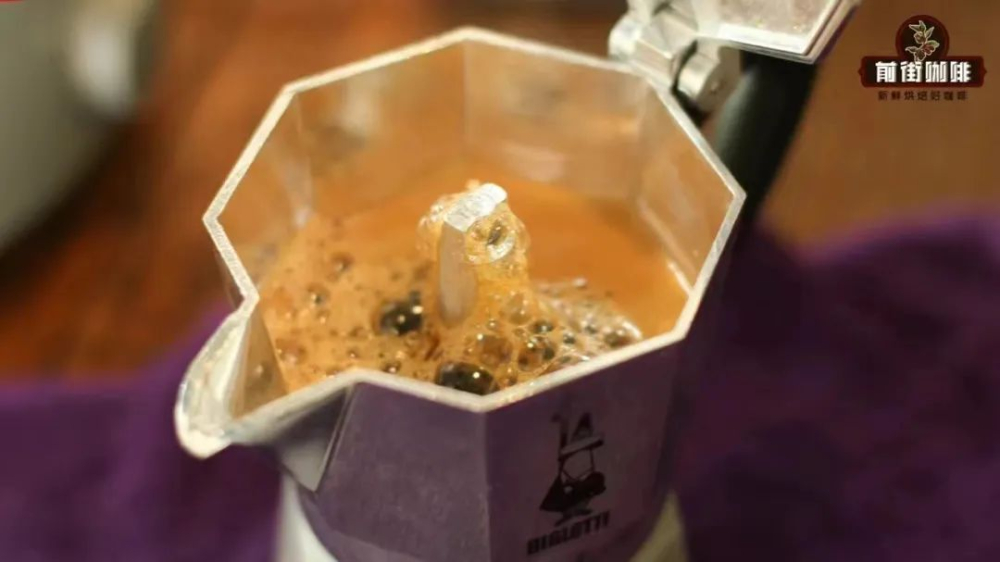
Besides the stirring method, some netizens have shared using a microwave to heat as a way to quickly enhance extraction efficiency. The method involves placing coffee grounds and hot water in a microwave-safe container, microwaving it several times to prompt rapid flavor release, followed by filtration. This approach also yields a highly concentrated coffee liquid in a short time. However, be cautious not to heat the milk together, as high temperatures may break down lactose in the milk, reducing sweetness and overall flavor quality.
In summary, although drip coffee bags face challenges in producing high-concentration coffee due to limitations in drip extraction and fixed grind size, by appropriately adjusting the amount of coffee, controlling water temperature and time, and employing techniques such as stirring or microwaving, you can still brew a milk coffee at home with flavors close to that of a latte. The key lies in understanding the principles of extraction, flexibly using available tools, and ensuring each cup of coffee showcases its best flavor.
The above content is compiled by CoffeeHunters, a coffee news website.


