







Introduction:Delve into how Costa Rica, with its unique geography and rigorous grading system, cultivates refined Arabica coffee. This article explores the characteristics of its eight major producing regions, highlights the growing advantages of the high-altitude Tarrazú region, and analyzes the typical flavor profiles of SHB-grade beans—offering practical insights for coffee enthusiasts seeking high-quality Central and South American beans.
Costa Rica is one of the first countries in Central America to recognize coffee as a commercial crop. Thanks to its widespread volcanic soils, stable high-altitude environment, and mild maritime climate, it produces Arabica coffee beans with rich and layered flavors. This country on the Central American isthmus has carved out a niche in the global specialty coffee market, thanks to its exceptional geographical conditions.
The Central American region features a landscape of mountains and hills interspersed with fertile basins and valleys, while its active volcanic zones contribute nutrient-rich soils—creating an ideal environment for coffee cultivation. Costa Rica is not only one of the earliest countries in the region to develop a coffee industry but is also renowned for its focus on specialty coffee quality. Its commercialization journey and regional development are worthy of deeper exploration.
Coffee was introduced to Costa Rica—which was then still a Spanish colony—in the 18th century from Cuba. Initially, its cultivation was tightly controlled by colonial authorities. It wasn’t until after gaining independence in 1821 that the new government actively promoted coffee as an economic crop through free seedling distribution and tax exemptions for cultivation. This led to rapid industry expansion in the 19th century and successful entry into European and American markets.
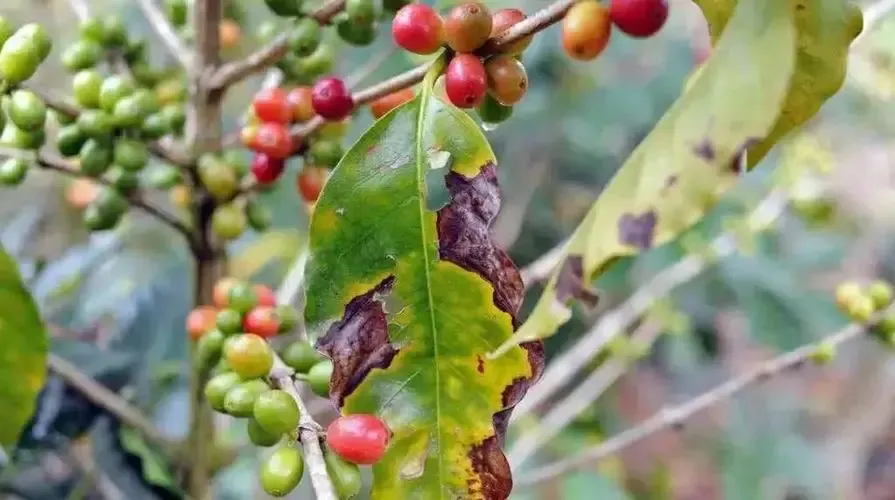
In the early 20th century, Costa Rica was one of the UK’s main coffee suppliers, but trade disruptions during World War II severely impacted the industry. The outbreak of coffee leaf rust disease in the 1980s further caused the death of large numbers of coffee trees. After facing multiple crises, the country’s government decided to focus on a high-quality path,legally banning the planting of Robusta varieties altogether,and solidifying its direction toward specialty coffee centered on Arabica.
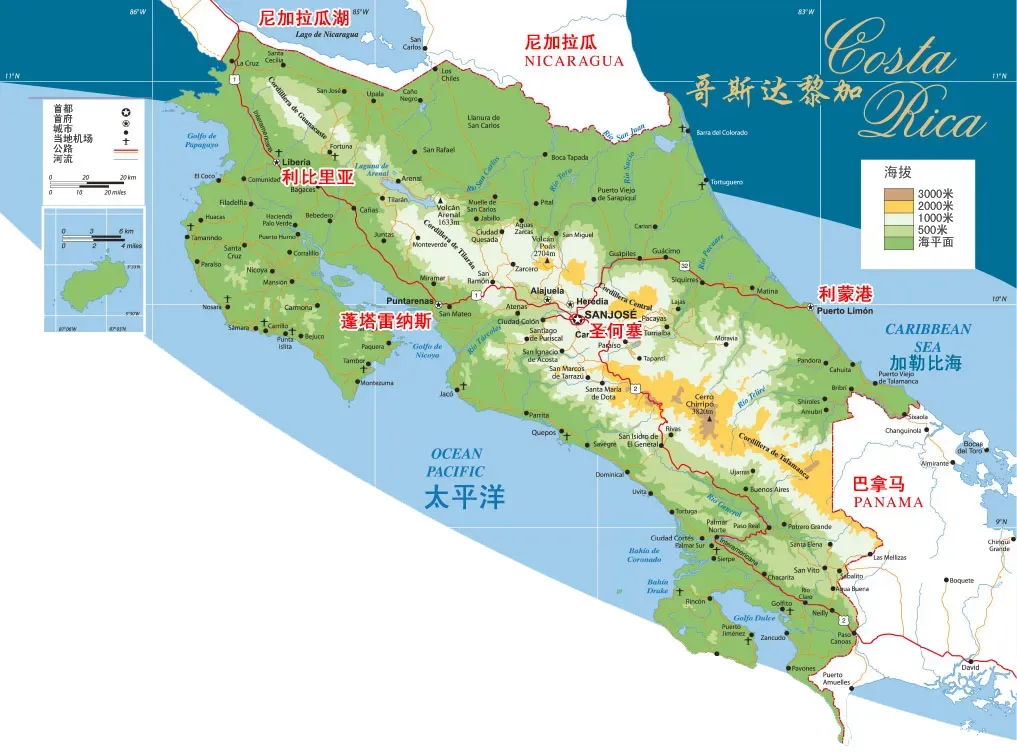
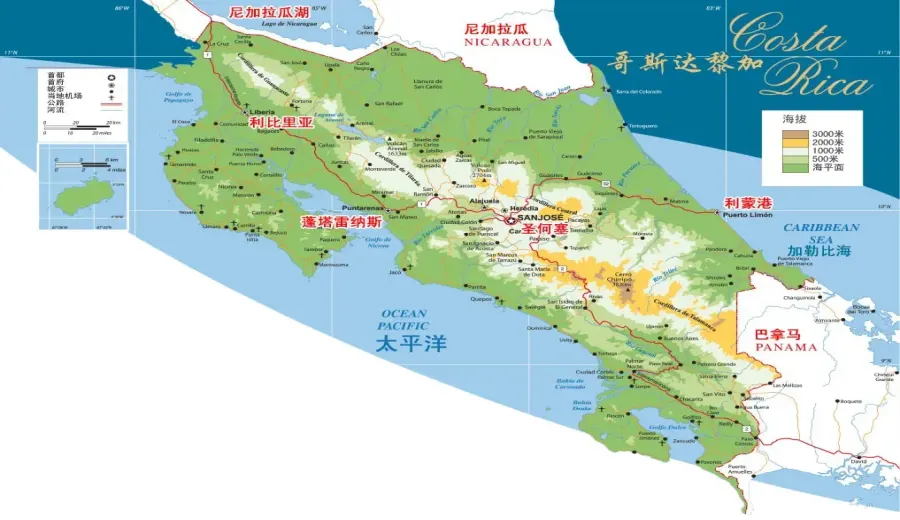
Costa Rica’s Cordillera mountain range divides the country into two major landmasses—east and west—with coffee cultivation concentrated in the higher-altitude western and central mountainous regions. The nation is divided into eight primary producing regions: Western Valley, Central Valley, Tarrazú, Tres Ríos, Orosi, Brunca, Turrialba, and Guanacaste. All these regions lie within the Central Mountain Range and share the advantages of high altitude and volcanic soils.
Among them, the Tarrazú region (officially named Los Santos) is Costa Rica’s most representative coffee-producing area. In 2019, it officially received Protected Designation of Origin recognition from the European Union and the World Intellectual Property Organization. The area’s elevation ranges between 1,200 and 1,900 meters,with stable annual rainfall and abundant sunlight,while its volcanic soils are rich in minerals—creating ideal conditions for coffee tree growth. The core producing area consists of the town of Tarrazú and the nearby town of Dota, and its coffee is known for its balanced flavors and bright acidity.
Costa Rica’s coffee grading system is primarily based on altitude, a standard aligned with most Central American countries.The SHB (Strictly Hard Bean) grade requires cultivation at altitudes above 1,200 meters,where coffee cherries ripen more slowly, allowing for more thorough sugar accumulation. The resulting beans have higher density and stronger disease resistance. GHB (Good Hard Bean) applies to medium-altitude regions between 1,000 and 1,200 meters, while MHB (Medium Hard Bean) refers to regions below 1,000 meters. This grading method directly reflects the potential flavor concentration and structural texture of the coffee.
Observing commonly available Tarrazú single-origin beans, many are processed using the washed method to highlight clean, bright acidity. A typical blend often combines Catuai and Caturra varieties,and when roasted to a medium-light level, they can showcase citrus-like acidity, nutty notes, and honey-like sweetness.The finish lingers, with a smooth aftertaste. These beans suit coffee lovers who prefer balanced flavors and can reveal clear regional characteristics whether brewed via pour over or siphon.
For those trying Costa Rican coffee for the first time, it’s recommended to select SHB-grade Tarrazú beans. By observing the gloss and uniformity of their bluish-green raw beans, you can preliminarily assess their pre-roast quality. When brewing, maintain water temperature between 90–93°C, and use a medium-coarse grind with a 2:1 coffee-to-water ratio. This effectively brings out the unique layering and aftertaste of beans from this region.
The above content is compiled by CoffeeHunters, a coffee news website.


