







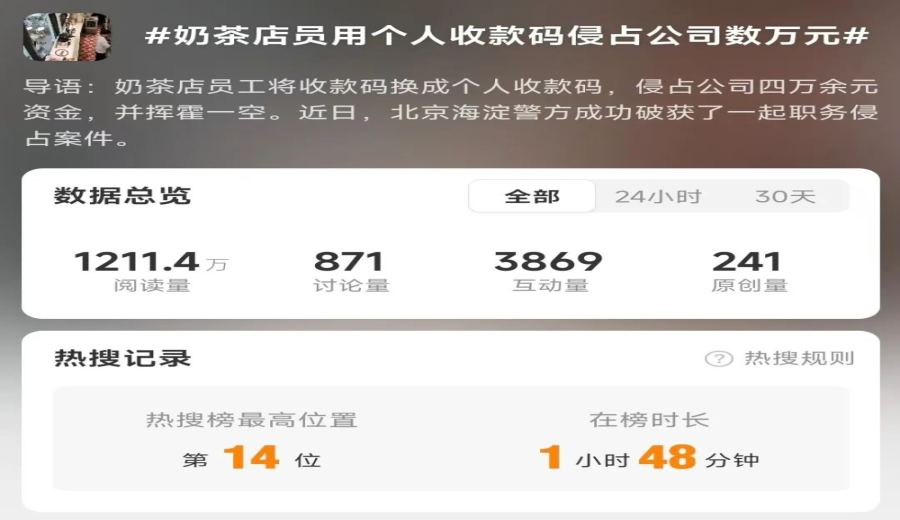
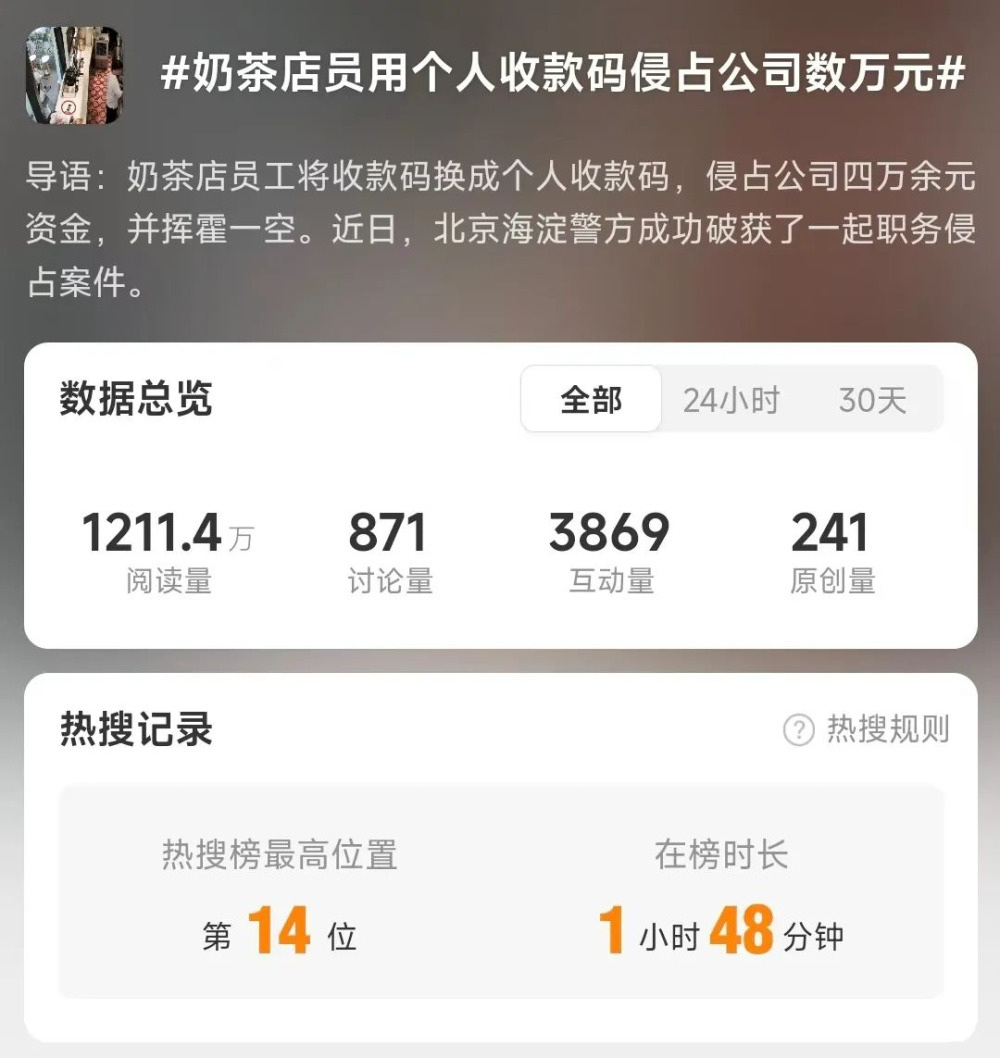
Introduction:An employee at a bubble tea shop in Beijing secretly replaced the store’s payment QR code with their personal one, stealing over 40,000 yuan from the company over three months. By concealing their actions through methods such as blocking surveillance cameras and disconnecting from the internet, the employee was eventually detained by police on criminal charges. This case reveals common flaws in financial oversight within the retail sector and highlights the importance for coffee shop operators to understand internal control risks and preventive measures.
Recently, a case involving a bubble tea shop employee who secretly swapped payment codes and embezzled company funds has drawn public attention. According to a report from Haidian District Police in Beijing, starting in May of this year, the employee took advantage of working alone to disguise their personal QR code as the shop’s official one, causing customers to mistakenly scan and pay into their private account. The employee also deliberately blocked surveillance and disconnected the internet to cover up their misconduct. Preliminary estimates indicate that over 40,000 yuan was misappropriated, and the employee has now been criminally detained by law enforcement.
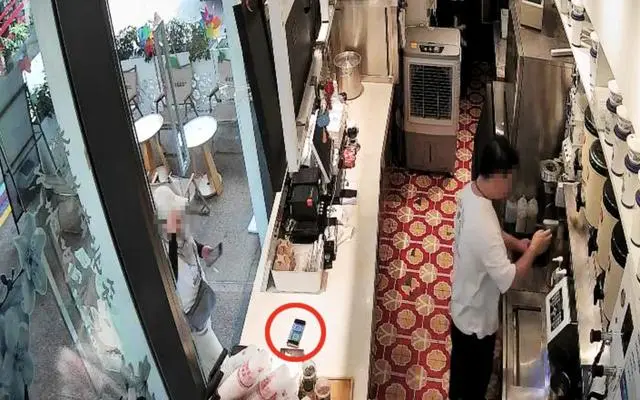
The case began when the bubble tea shop manager noticed during an internal inventory check that sales had been abnormally declining since the start of the year. By reviewing surveillance footage, the manager was shocked to discover that an employee was collecting payments from customers using a personal QR code during unattended hours. After receiving the report, the police immediately launched an investigation. By analyzing public surveillance videos, in-store monitoring records, and sales ledgers, they quickly identified the suspect, Zhou Moumou.
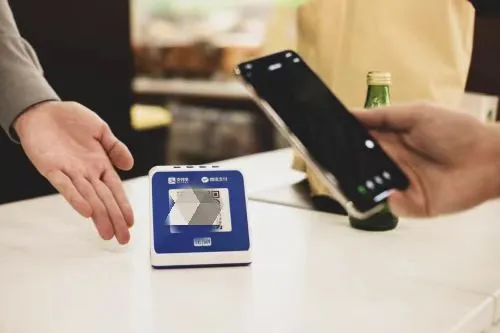
The investigation revealed that Zhou Moumou joined the shop in February of this year but only began engaging in illegal activities starting in May. Taking advantage of shifts when they were working alone, they secretly showed customers a forged QR code—actually a screenshot of their personal payment code that had been edited to include the name of the bubble tea shop, making customers believe it was the official shop code. Since the payment funds went directly into their personal account, the shop’s sales figures continued to decline.
According to the police, Zhou Moumou always chose to act when colleagues were not around, using discreet methods that allowed them to succeed repeatedly. It wasn’t until the company’s financial anomalies were discovered that this three-month-long embezzlement came to light. From May until the case was uncovered, Zhou Moumou had stolen a total of over 40,000 yuan, all of which had been squandered.
After investigation and tracking, the police arrested Zhou Moumou at their temporary residence on August 17. During questioning, Zhou admitted that due to high personal expenses, they had conceived the idea of using their personal QR code to take income beyond their wages. The case has now been officially registered as a criminal offense by the police, and Zhou Moumou is undergoing further investigation.
This incident is not just a single case of workplace fraud, but also highlights widespread gaps in financial internal controls within the retail industry. According to Article 270 of the Criminal Law of the People’s Republic of China, if someone illegally takes possession of property entrusted to them for safekeeping with the intent of unlawful ownership, and the amount is substantial and they refuse to return it, it constitutes the crime of embezzlement. Embezzlement and theft both fall under the category of property crimes, but the key difference is: theft involves secretly taking property that is not under the perpetrator’s control, whereas embezzlement involves taking property that has been entrusted to the perpetrator’s management.
Notably, when the amount embezzled exceeds 30,000 yuan, criminal proceedings are typically initiated, and those involved may face severe legal sanctions. For coffee shop or beverage retail operators, this case serves as a wake-up call, reminding business owners to strengthen internal financial management—for example, by regularly auditing payment records, setting up approval mechanisms for changes to payment QR codes, and enhancing the routine maintenance of surveillance systems as well as real-time monitoring for unusual activity—to effectively prevent similar fraudulent schemes.
The above content is compiled by CoffeeHunters, a coffee news website.


