







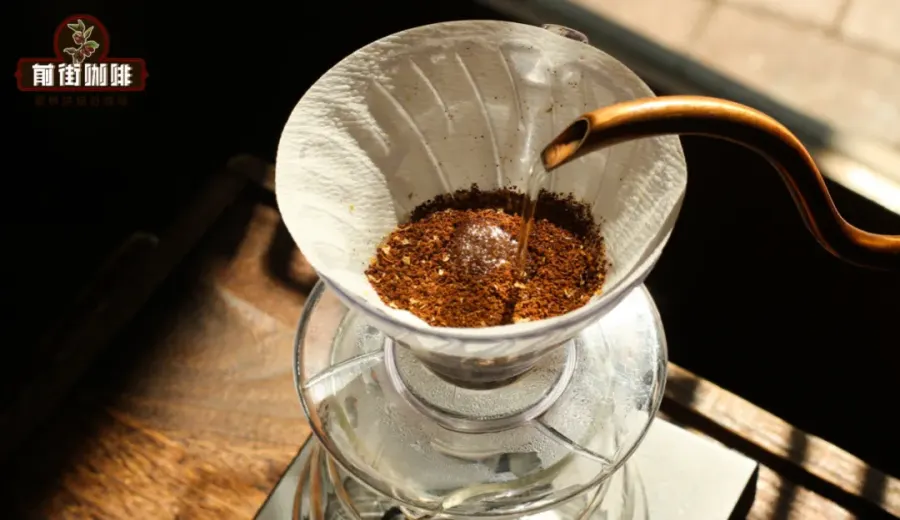
Introduction:The blooming step in pour over coffee may seem simple, but the amount of water used is closely related to extraction efficiency. Why is it generally recommended to use twice the coffee grounds' weight in water for blooming? Should the dark initial liquid that seeps out be discarded? This article explores the principles of coffee grounds absorbing water, incorporates practical test data, and analyzes the impact of blooming liquid on the overall flavor and concentration of coffee, guiding you to master this often overlooked yet crucial detail.
In the process of pour over brewing, although blooming only takes a few dozen seconds, it has a significant influence on subsequent extraction. Many coffee enthusiasts face a common question during pour over: why is it suggested to use water at twice the weight of the coffee grounds during the blooming phase? Additionally, when seeing the first wave of dark coffee liquid seeping from the coffee bed, should it be discarded to avoid affecting the overall flavor?
In fact, the main purpose of blooming is to moisten the coffee grounds, release residual carbon dioxide trapped inside, and prepare for the following main extraction phase. This not only enhances the efficiency of flavor release but also allows hot water to penetrate the coffee bed more evenly. However, since the main extraction phase requires stable water temperature and an adequate supply of hot water, the amount of water used for blooming should not be excessive. Therefore, it is generally recommended to keep it around twice the weight of the coffee grounds.
The basis for this "twice the weight" guideline mainly comes from the water absorption characteristics of coffee grounds themselves. Research and practical tests show that dry coffee grounds can absorb approximately twice their own weight in water when they come into contact with hot water. Therefore, using water equal to twice the coffee weight not only sufficiently wets the coffee bed but also helps the grounds reach a saturated state, creating favorable conditions for subsequent extraction. However, in practice, not all of this water will be fully absorbed by the coffee grounds, as factors such as pouring speed, water flow distribution, and grind size can affect water penetration efficiency, causing some of the water to pass directly through the coffee bed and into the brewer.
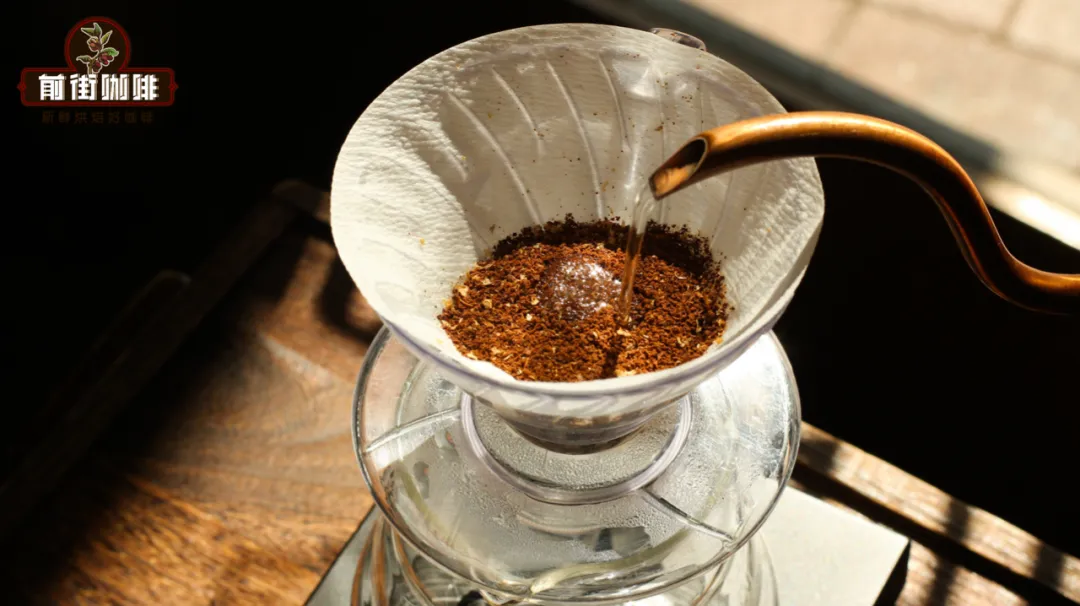
This leads to another common question: since the extraction conditions during blooming are not as ideal as those in the main extraction phase, could the liquid that seeps out during this stage dilute the overall flavor and concentration of the coffee? Some people choose to discard this initial liquid, believing it can help preserve the final taste. But is this practice really reasonable?
This act of "removing the blooming liquid" is somewhat similar to what is known as "bypass" — intentionally not collecting the final few drops of coffee during the tail end of the main extraction phase to avoid unwanted off-flavors. However, if the liquid from the blooming stage is also removed, it’s akin to performing a "chop off the head and tail," potentially causing you to miss out on some of the most valuable flavor components in the coffee.
To verify the actual impact of the blooming liquid on overall flavor, we conducted a set of practical tests using a medium-light roasted Panamanian Green Label Geisha. This coffee bean offers clear and layered flavors, making it highly suitable for observing subtle differences. The brewing parameters were as follows: 15 grams of coffee grounds, a 1:15 coffee-to-water ratio, a grind size of 10 on the Ek43 grinder (close to the fineness of superfine sugar, with approximately 80% passing through a #20 sieve), a water temperature of 92°C, using a V60 filter cone, and a three-pour brewing method.
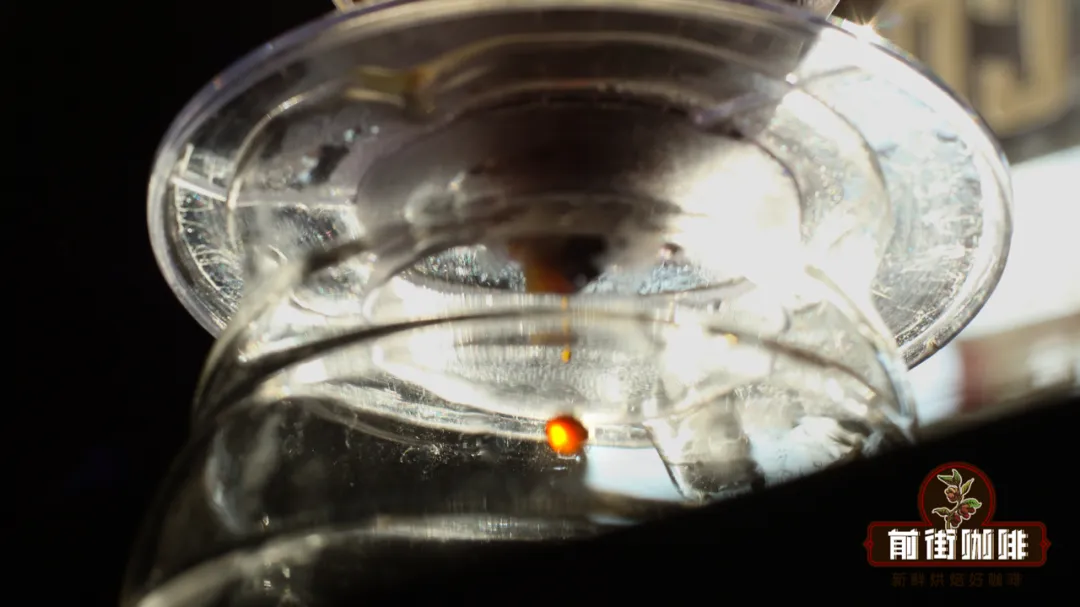
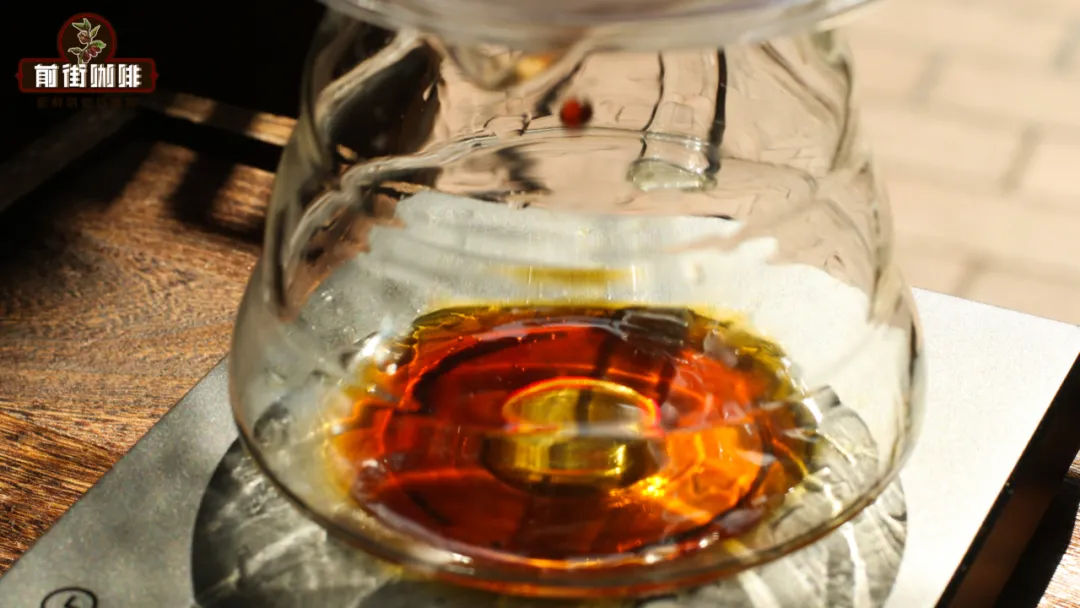
During the blooming phase, we poured 30 milliliters of water (twice the weight of the coffee grounds) and let it sit for about 30 seconds. In practice, the water was poured out around the 8th second, and coffee liquid began to seep out around the 10th second. By the 24th second, the seeping slowed down, and at this point, we collected this portion of blooming liquid (approximately 15 milliliters) for later comparison.
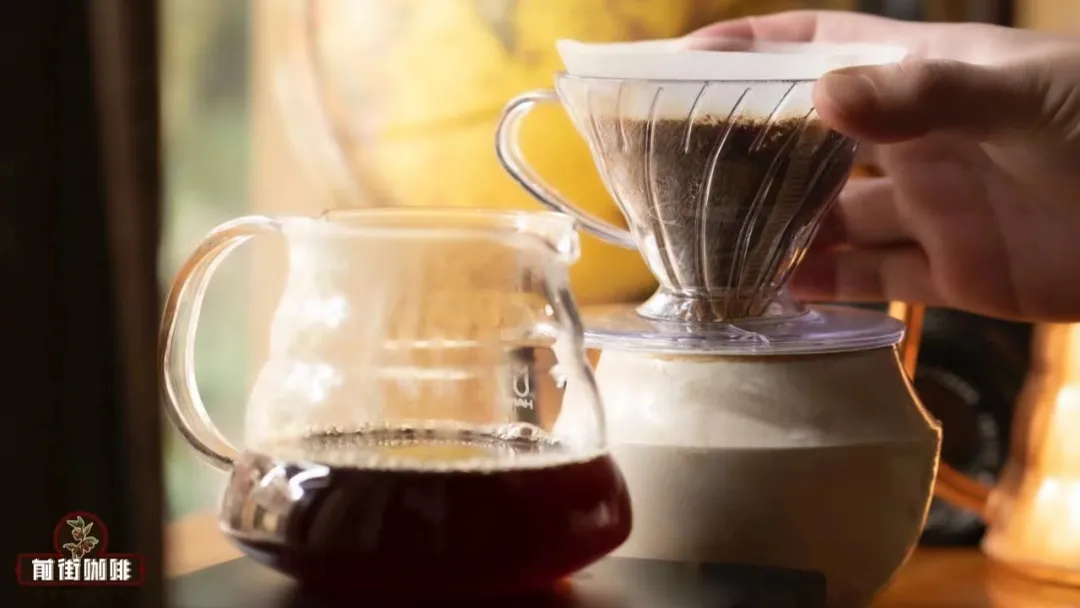
Next, we reset the weight measurement and began the main extraction: first, using a small stream of water to make a large circle, we poured 130 milliliters of hot water. Once the water level dropped close to the bottom, we switched to a larger stream in a smaller circle to pour the remaining 65 milliliters, completing a total extraction of 200 milliliters (in line with the 1:15 coffee-to-water ratio). We then tested the coffee's concentration and flavor performance under two scenarios: "with blooming liquid retained" and "with blooming liquid removed."
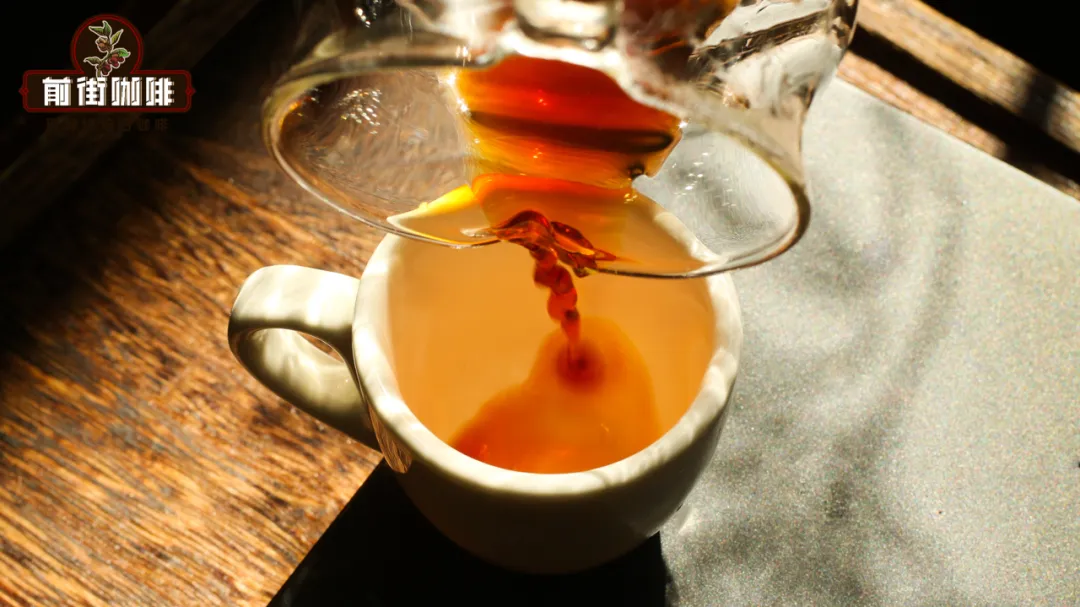
The test results showed that if the blooming liquid was completely removed, the final coffee concentration was 1.25%. In terms of flavor, it exhibited relatively light jasmine, honeydew melon sweetness, and slight berry acidity. While the overall taste was smooth, it lacked depth and fullness. However, when we poured back the previously collected 15 milliliters of blooming liquid and stirred it evenly into the coffee, the concentration rose to 1.38%, and the flavor performance improved significantly: the citrus notes became brighter, the sweetness more pronounced, the overall flavor profile clearer and more layered, and the mouthfeel felt more substantial and robust.
These data clearly show that although the extraction environment during blooming is not optimal, the flavor compounds within the coffee grounds are still at their most vibrant. Even with slightly lower extraction efficiency, high concentrations of flavorful essences can still be dissolved. Therefore, not only is the blooming liquid highly concentrated, but the flavor compounds per unit volume are also relatively abundant.
If this portion of liquid is carelessly discarded, not only is a valuable layer of flavor lost, but the overall mouthfeel of the coffee may also become thin, significantly diminishing the drinking experience. For enthusiasts who pursue refined pour over flavors, the blooming liquid is definitely worth preserving and integrating fully with the subsequent extraction to fully showcase the coffee's potential.
In conclusion, the blooming step in pour over coffee is not just a simple wetting procedure, but a critical starting point for flavor release. Using twice the weight of coffee grounds in blooming water effectively drives out carbon dioxide and optimizes the grounds for extraction. And that initial concentrated liquid that seeps out is truly a condensed essence of flavor — discarding it is equivalent to giving up the very first, precious extract of the coffee.
The above content is compiled by CoffeeHunters, a coffee news website.


