








Introduction:Latte art is an art form that combines technique and aesthetics, but many beginners often encounter issues such as unstable milk foam or blurry patterns during their initial practice. This article explains the key steps from basic milk frothing to forming simple designs, analyzes common reasons for failure, and shares practical practice methods to help readers gradually master latte art skills through repeated attempts, thereby improving the overall quality of coffee preparation.
For many coffee enthusiasts, latte art is a challenging yet fascinating skill. From the first attempt at frothing milk to successfully creating clear patterns, or even freely designing various shapes, this process is often accompanied by countless failures and adjustments. Some may find their rhythm after just a few practice sessions, while others, even after long-term practice, still struggle to draw a complete heart shape.
In the early stages of learning latte art, almost everyone goes through what is called the "newbie stage." This phase usually starts from scratch—learning how to properly froth milk, gradually being able to pour out identifiable patterns, and eventually being able to freely sketch aesthetically pleasing designs. Just how much milk is wasted and how many cups of coffee are drunk to stay alert during this time is probably something only those who have gone through it can truly understand.
Whether through self-study or professional training, nearly every learner inevitably goes through a phase of producing "failed works." For those with higher natural aptitude, perhaps just a few attempts, coupled with familiarity with a few classic patterns, are enough to quickly find their feel and move on to the next advanced stage.
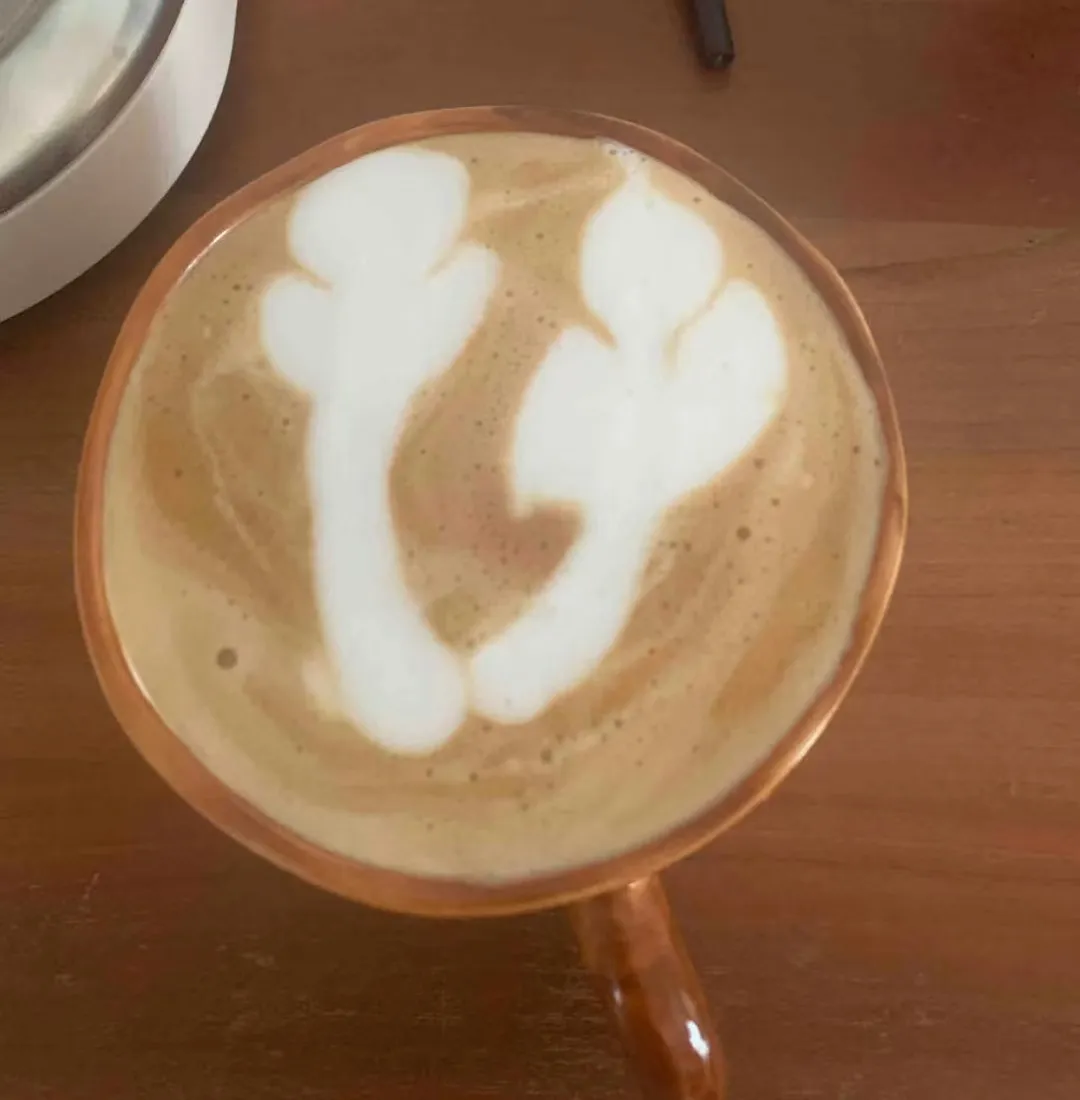
However, even those regarded as exceptionally skilled sometimes struggle to pour a full white heart. Despite having practiced countless times, when it comes to actual execution, the hands may seem uncontrollable, and the envisioned design might instantly turn into a laugh-or-cry creation.
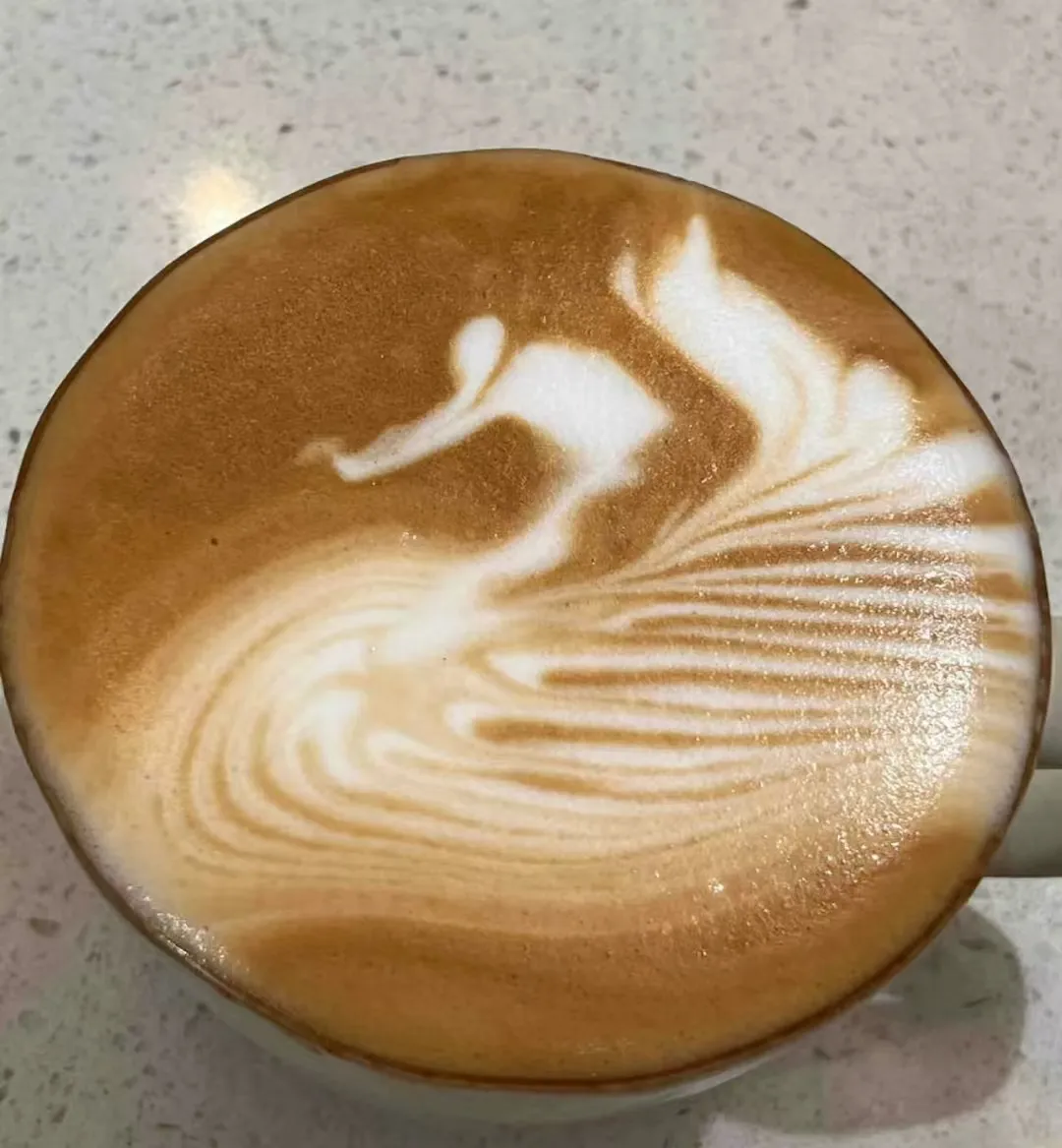
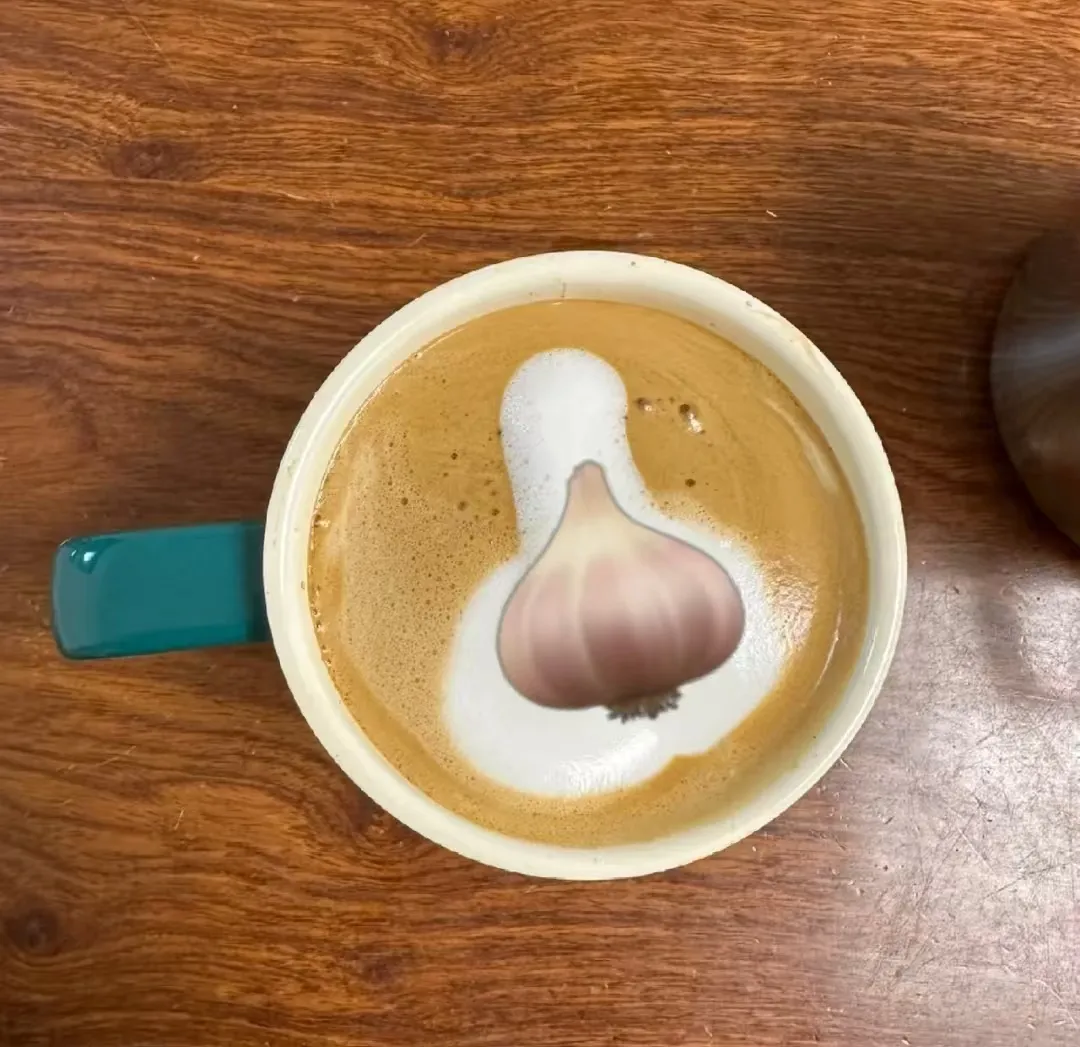
Many people, upon seeing these failed works, might not be able to suppress a laugh, but these "creations" actually reflect the challenges and fun moments in the learning process. For example, those that look like startled matcha-colored aliens, swans that have gone missing, or uniquely shaped garlic cloves—all showcase the unique experiences along the latte art learning journey.
So, what is the significance of latte art? Although beautiful latte art patterns don’t directly make the coffee taste better, the learning process often involves anxiety, frustration, and even moments when one considers giving up. However, when a pattern is finally successfully poured, the sense of achievement is indescribable.
Not only baristas, but everyone who successfully masters latte art techniques can attest that what is learned is not just a few simple patterns—more importantly, it’s the reward that comes with persistence. From the initial piles of clumpy thick milk foam, to barely recognizable little hearts, to finally pouring a full tulip—each step of progress brings immense satisfaction.
For those looking to get started quickly, there are indeed shortcuts. But the prerequisite is a willingness to invest a certain amount of time and effort. With just a few focused days spent learning and repeatedly practicing a few basic patterns, one can master some simple latte art skills in a short time. As the saying goes, you reap what you sow—only through continuous practice can one gradually improve their skill level.
Of course, if the goal is to consistently pour symmetrical and clear combined patterns in every cup, then even more practice and patience are required. Repeated refinement, practice, and correction—even slight progress—can bring great satisfaction to learners. On the path of pursuing passion, there’s no need to rush; what matters is enjoying every step of the learning journey.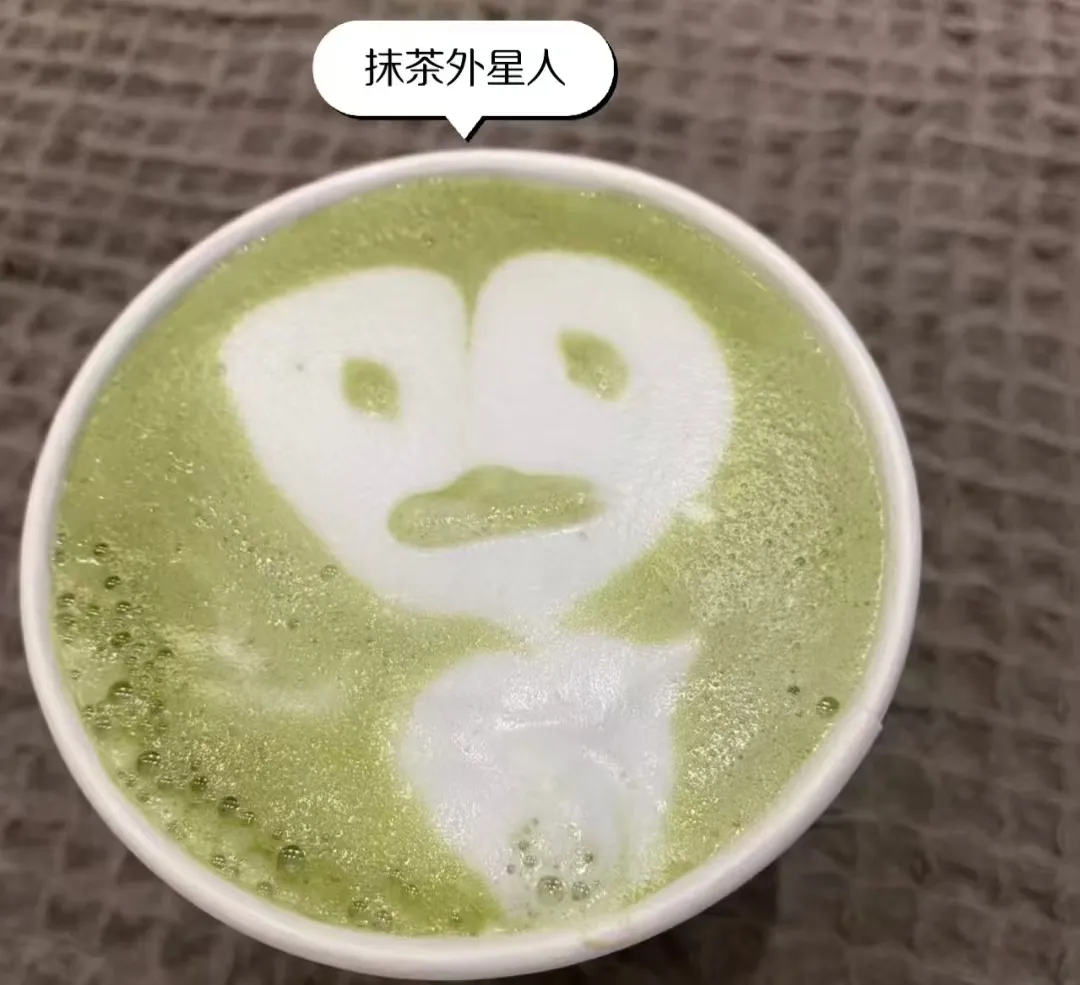
The above content is compiled by CoffeeHunters, a coffee news website.


