








Introduction:When using a moka pot to brew coffee, issues such as coffee spraying out, slow extraction, or lack of crema often discourage beginners. This article delves into three common extraction problems: jet-like spraying, prolonged no-flow, and thin or absent crema. It analyzes the underlying causes—including grind size, heat control, coffee dosage, and tamping pressure—and offers practical adjustment suggestions. With the right medium-to-dark roasted beans, you can achieve a consistently rich and crema-covered cup.
By leveraging pressurized extraction, the moka pot produces a bold coffee similar in flavor to espresso. Compact, easy to operate, and relatively affordable, it has become a favorite among coffee enthusiasts. However, beginners often encounter various extraction issues—such as coffee forcefully gushing out, slow output, or almost no crema. This article focuses on the three most common moka pot extraction problems: jet-like spraying, failure to produce liquid after prolonged heating, and thin or missing crema. It explains the causes in detail, provides useful troubleshooting tips, and recommends suitable medium-to-dark roasted beans to help you consistently brew rich, crema-rich coffee at home.
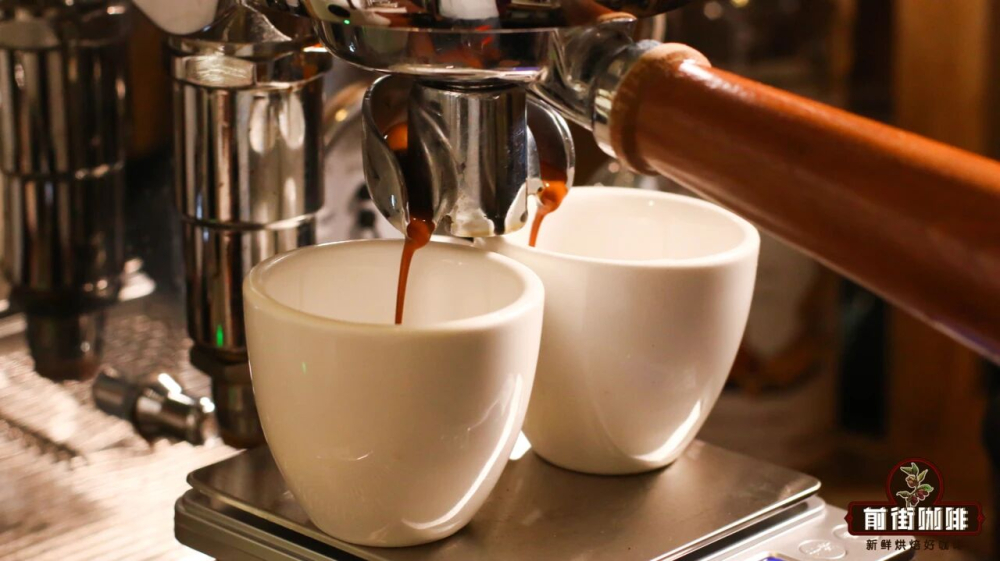
Unlike traditional drip brewing, the moka pot, like an espresso machine, uses pressurized extraction, resulting in a denser, more intense coffee. As specialty coffee grows in popularity, more people are choosing the moka pot as a home brewing tool. It delivers quick extractions and mimics the taste profile of professional machines—but improper use can easily lead to various issues. Below, we break down the three most common problems and offer targeted solutions.
1. Why is the coffee spraying out?
Normally, coffee from a moka pot should flow out smoothly and evenly, without strong force. But if you notice the coffee spurting out like a water jet or splitting into multiple streams, it indicates a clear issue with your technique or parameters.
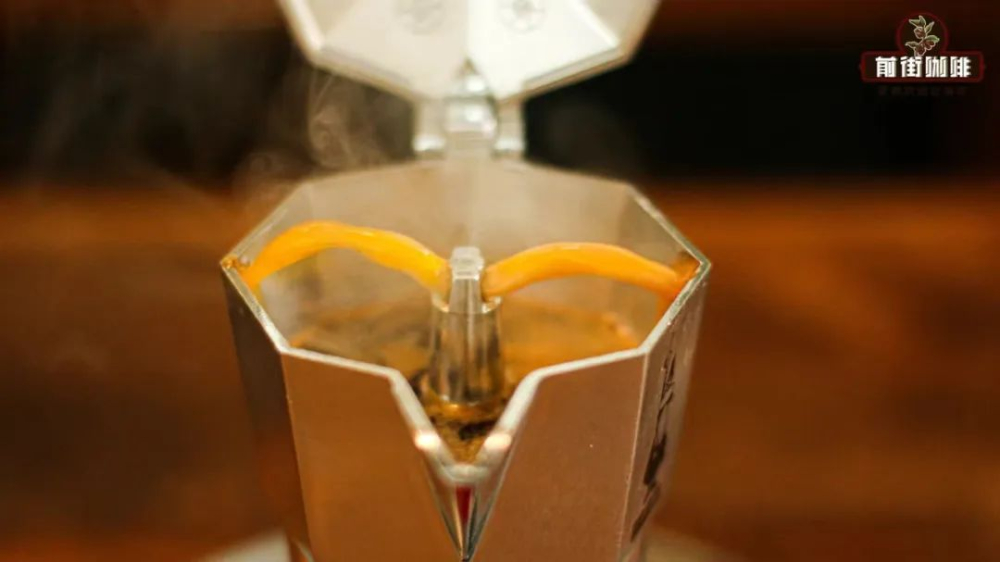
This issue generally falls into two scenarios: either the coffee violently erupts as soon as heating begins, or the flow starts normally but suddenly accelerates midway, even forming a "double ponytail" split stream.
In the first case, it’s usually because the coffee puck doesn’t provide enough resistance, allowing steam pressure to break through the puck too forcefully. To fix this, try increasing the coffee dosage, grinding finer, or applying moderate tamping to enhance resistance.
The second scenario often stems from excessive heat throughout the brewing process. Once the coffee initially breaks through the puck, the puck’s resistance gradually decreases. If you continue using high heat, water will pass through faster and faster, eventually causing a sudden, forceful spray—posing a scalding risk. In this case, promptly move the moka pot away from the heat source.
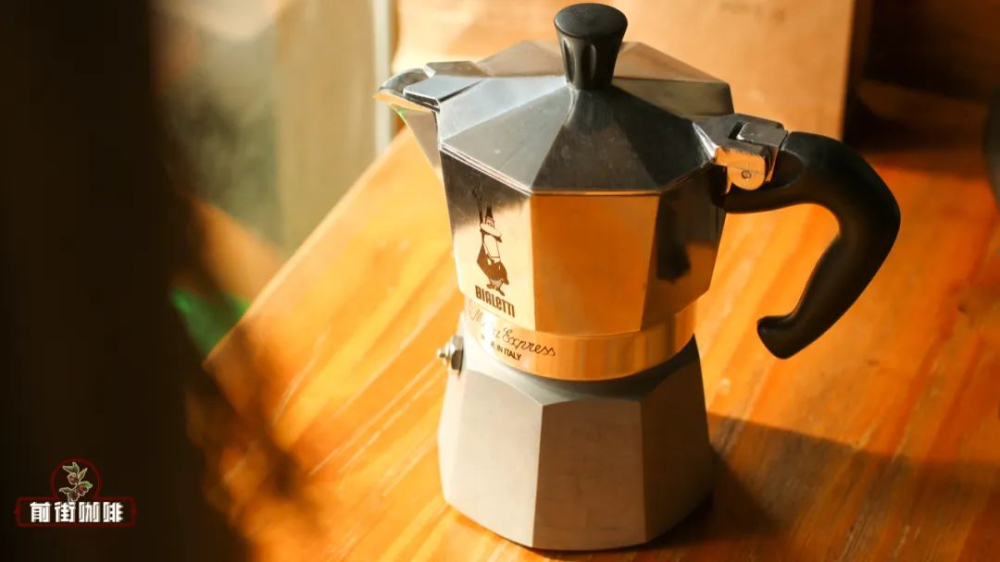
2. Why isn’t any coffee coming out after heating for a long time?
Opposite to the spraying issue, some users find that after heating the moka pot for a long time, no coffee comes out—or not a single drop. If the water level has exceeded the safety valve and no coffee flows after extended heating, stop immediately to avoid the risk of the pot exploding due to excessive internal pressure.
Common causes of no-flow include grinding too fine, using too much coffee, or tamping too hard. These factors compact the puck excessively, preventing water from penetrating and significantly prolonging—or even completely halting—extraction.
Even if coffee eventually drips out, it may taste overly bitter and astringent due to over-extraction, negatively impacting the overall flavor. It’s advisable to review and adjust your brewing parameters promptly.
3. Why is the crema thin or missing in moka pot coffee?
Though the moka pot uses pressurized extraction, its pressure is still lower than that of a professional espresso machine. As a result, the crema (or coffee foam) it produces is typically lighter and dissipates faster, though it should still have a visible golden-brown foam layer. If your moka pot coffee shows no crema at all, it may be due to the following reasons.
The primary causes are often grinding too coarse, using beans roasted too long, or employing pre-ground coffee. These factors reduce the amount of CO₂ released by the coffee, preventing the formation of a rich foam layer. Additionally, insufficient pressure plays a key role. If you notice barely any bubbles on the coffee surface, start by checking your grind size, slightly increasing the coffee dosage, and observing the flow rate during extraction.
For better crema performance, opt for freshly roasted medium-to-dark beans—such as classic blends, PWN Golden Mandheling, or Black Cocoa blends. These beans, due to their darker roast, contain abundant CO₂ that releases fine, long-lasting foam during pressurized extraction, delivering a richer visual and sensory experience.
The above content is compiled by CoffeeHunters, a coffee news website.


