







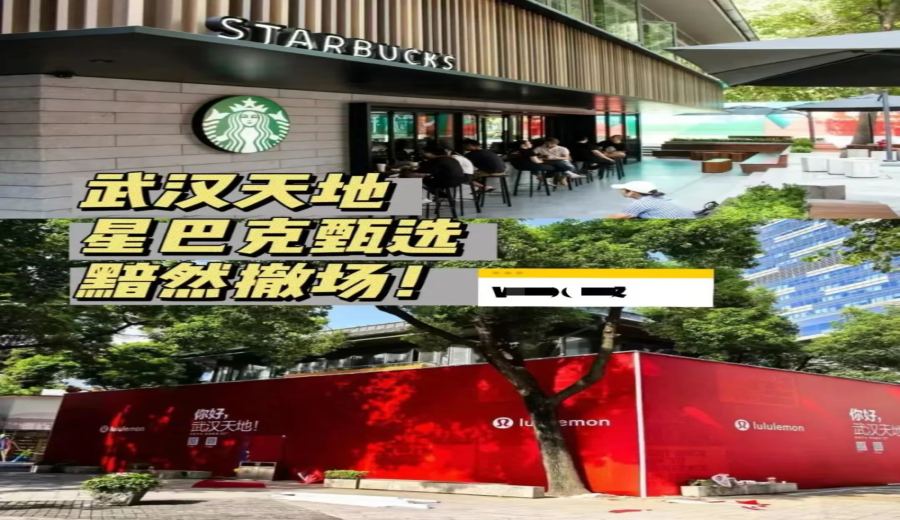
Introduction:Visiting the Starbucks Reserve store in Wuhan Tiandi, which set multiple "firsts in China," from introducing nitro cold brew technology in 2016 and establishing the Barista Craft Room training space, to its closure after eight years due to commercial district competition and rent adjustments. Analyzing the store's design highlights as the "most Wuhan-style" outlet, as well as its mobile coffee truck transitional operation model, to provide coffee professionals with insights on commercial district site selection and customer retention.
Walking into the Xintiandi block of Wuhan Tiandi, construction hoardings now stand where the former Starbucks Reserve store was located, with sportswear brand lululemon expected to take over the space. This store, in operation since 2016, was not only the third Starbucks location in mainland China to introduce nitro cold brew (Nitro Cold Brew) technology, but also housed the country’s first Barista Craft Room—a creative space dedicated to providing systematic pour over and latte art training for baristas and coffee enthusiasts.
According to opening materials at the time, the store was officially hailed as "the Starbucks Reserve store that best represents Wuhan’s local culture." Its interior design incorporated architectural elements of old Hankou, paired with regularly updated humanities-themed art walls, a spacious terrace area, and layered lighting, making it a top choice for nearby office workers and residents to relax. Especially during the Christmas season, its limited-edition specials and decorations always drew long queues.
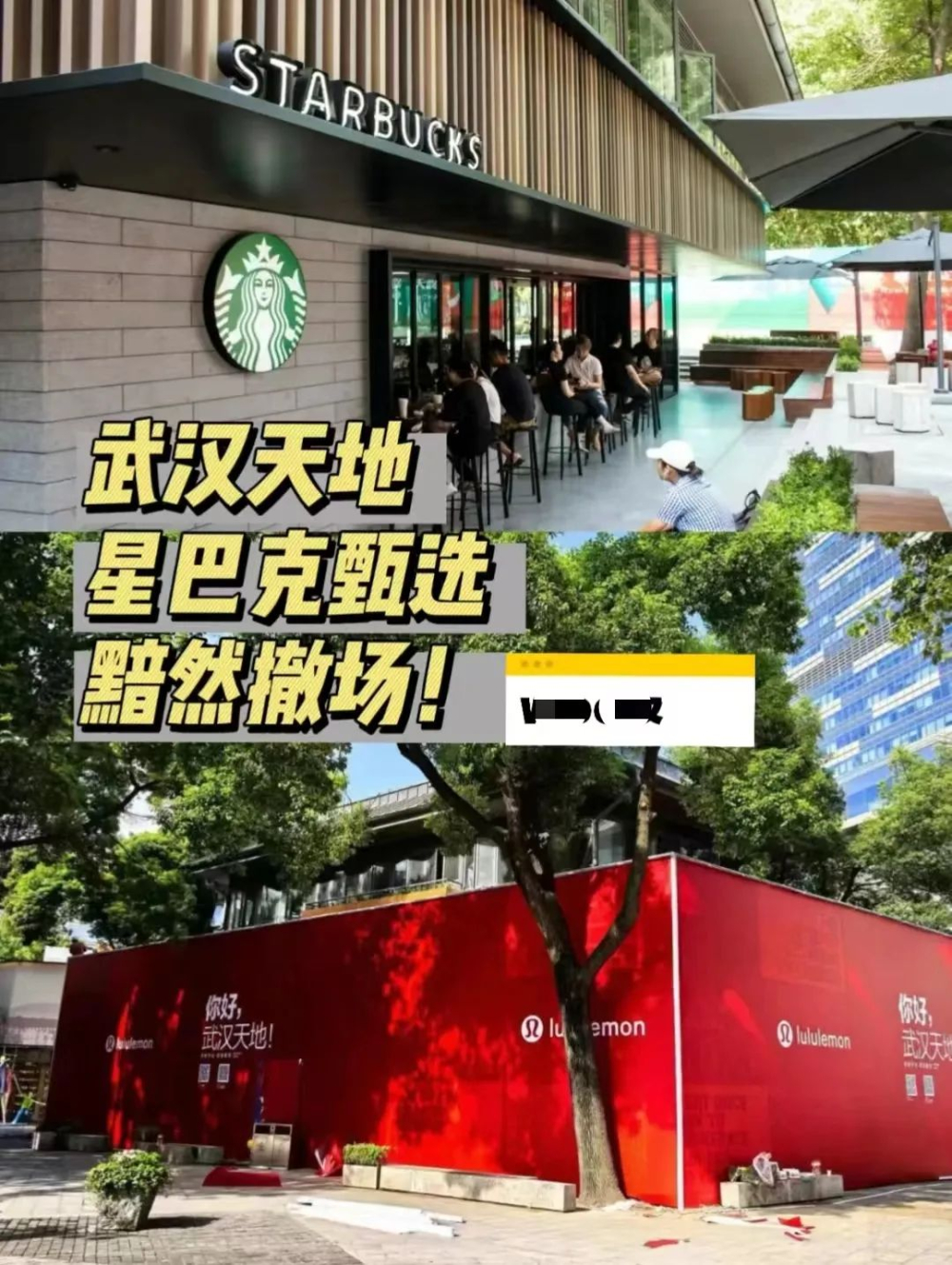
However, after eight years of operation, the sudden closure of the store sparked widespread discussion. Netizens reminisced: "That row of window seats with excellent lighting was my go-to spot for inspiration writing," "During the 2020 pandemic, this was one of the few safe havens that remained open." Analysis suggests the main reason for the closure may be the overly high density of Starbucks outlets in the commercial district—within a radius of 100 meters, there were four stores including this Reserve location, and with rising rental costs in recent years, even a powerhouse like Starbucks had to evaluate operational efficiency.
Notably, although the physical store has closed, Starbucks continues to maintain service through a mobile coffee truck in the inner street of Xintiandi, offering take-away essentials such as espresso and lattes. Observations show that the truck’s parking spots are chosen during high lunchtime foot traffic periods. While no long-term plans have been announced, industry insiders speculate it may be a transitional solution before securing a new location.
Industry experts point out that this case reflects three major trends in China’s coffee market: first, intensified competition among core commercial district outlets, requiring brands to recalculate per-square-meter efficiency; second, an upgrade in consumer expectations for "spatial experience" from simple relaxation to cultural identity; and third, mobile sales models flexibly filling service gaps left by fixed stores. For coffee businesses looking to enter the Hubei market, it is recommended to prioritize evaluating the target customer group’s "third space demand intensity" and pay attention to the return-on-investment cycle for equipment related to specialty drinks like nitro cold brew—standard units typically require selling at least 30 cups per day to break even.
From a technical perspective, the nitro cold brew introduced by this Reserve store in its early years used a nitrogen-infused chilled concentrated liquid system, with optimal extraction parameters being: medium-fine grind (similar to superfine sugar granules), water-to-coffee ratio of 1:4 to 1:5, and extraction pressure of 0.5–0.8 MPa. These values remain reference benchmarks in the industry for producing this product to this day.
The above content is compiled by CoffeeHunters, a coffee news website.


