







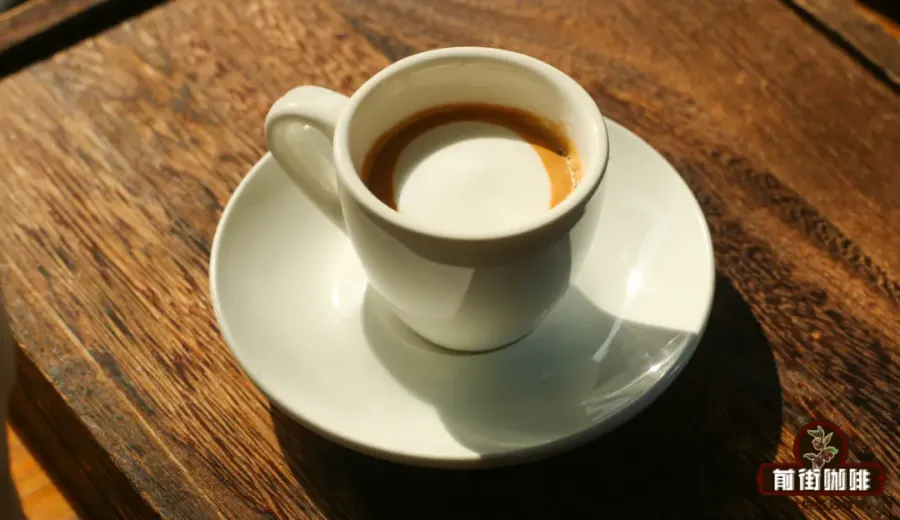
Introduction:Although macchiato and caramel macchiato sound similar in name, they differ greatly in coffee type, flavor, and preparation method. Have you ever been confused by the “macchiato” on the menu, wondering why what you got was a small cup of strong black coffee? This article will delve into the historical origins and actual differences between the two, and explain in detail whether to use vanilla syrup or caramel syrup when making a caramel macchiato, helping you better understand coffee and easily recreate the classic flavors at home.
Walk into most coffee shops, and you’ll find that the “macchiato” drink is actually not very common. But if you do get a chance to order one, what you’re served is often not the large, sweet milk coffee you imagined, but rather a small cup of intensely flavorful black coffee. Many customers’ first reaction is: “Have I been ripped off?” In fact, it’s really a beautiful misunderstanding.
Macchiato and caramel macchiato may both contain “macchiato” in their names, but from the perspective of drink types, they are actually completely different coffees. This article will guide you through the historical background and essential differences between the two, and answer a common question: should you use vanilla syrup or caramel syrup when making a caramel macchiato?
Nowadays, on the menus of many coffee shops, macchiato is rarely listed alone. But if you happen to order one, you might be surprised to find that it’s not the large sweet drink you expected, but a small yet intensely flavored shot of espresso.
Many people’s first reaction might be: “Is this cutting corners?” In fact, there’s a deeper reason behind it.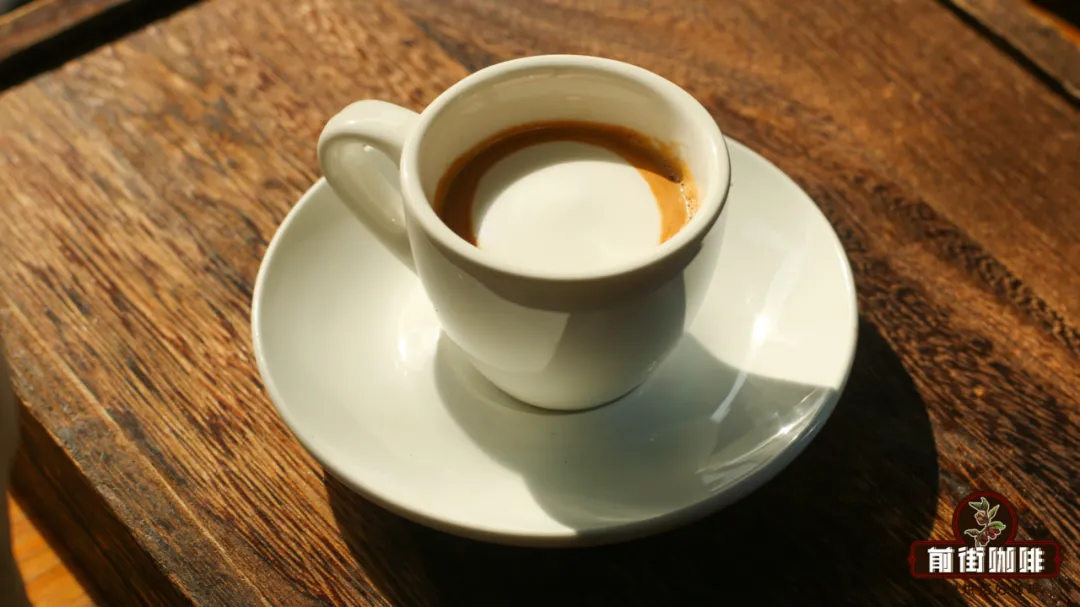
In the early days, the quality of coffee beans was generally not high, and combined with extremely dark roasting levels, the resulting coffee had an unusually intense bitterness, which many found hard to accept. To soften this strong bitterness, milk became the most common balancing agent. Just a small amount of milk could not only reduce the bitterness but also make the overall taste smoother and rounder.
However, simply adding a little milk would result in almost no visible change. In the busy environment of a coffee shop, baristas also found it hard to remember which cups had milk added. So, a simple and effective solution emerged—adding a small amount of milk foam on top of the coffee as a marker. This is the origin of the macchiato, meaning a “stained” or “marked” coffee.

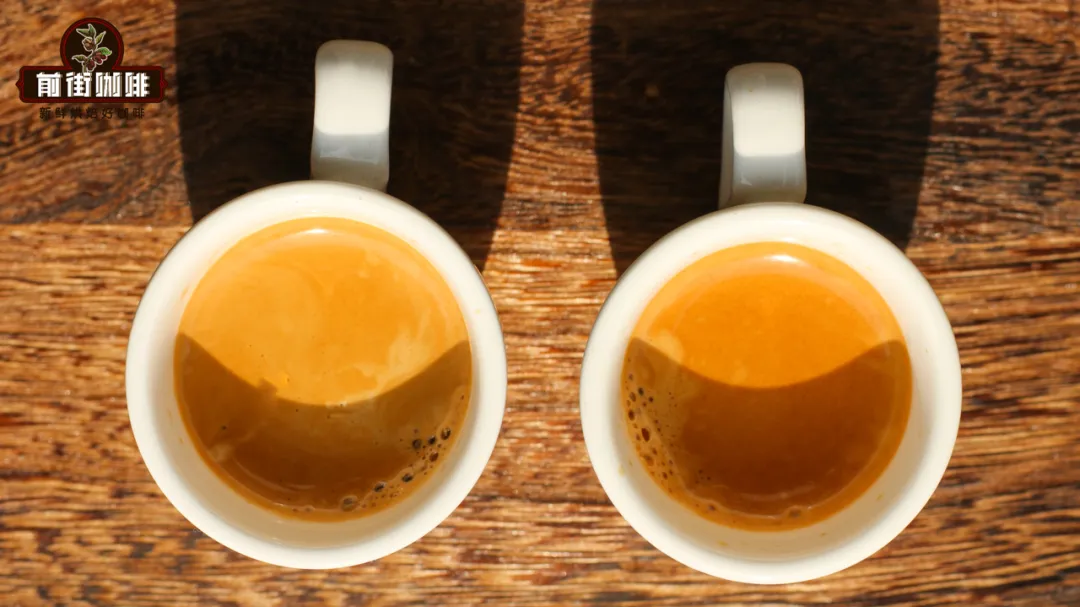
So, what exactly is the difference between a macchiato and a caramel macchiato? We can analyze it from the most basic composition. A traditional macchiato usually consists of one shot of espresso, with a minimal amount of steamed milk and milk foam, in a ratio of roughly coffee:milk:foam = 1:0.5:0.5. The total volume is about 30–60ml, making it a highly concentrated small cup of coffee.
The caramel macchiato, on the other hand, is entirely different. It is based on steamed milk, flavored with vanilla syrup, then espresso is poured over it, and finally topped with caramel sauce. Its standard recipe typically includes steamed milk, vanilla syrup, espresso, and caramel syrup, with a total volume of around 350–400ml. It’s a sweet yet not cloying, creamy-rich coffee beverage.
At this point, you might wonder: since caramel macchiato is so popular, which syrup should be used in its preparation—vanilla or caramel? Actually, both are used. In the standard method,vanilla syrup is mainly used to flavor the milk, giving the drink a natural sweetness and aroma; while caramel syrup is the sauce drizzled on top of the drink at the end, providing a unique caramel flavor and sheen.
If you try making a caramel macchiato at home, it’s recommended to first drizzle an appropriate amount of caramel syrup around the rim of the cup, then pour in the mixture of steamed milk and vanilla syrup, and finally slowly add the espresso so it sinks gradually, creating a beautiful layered effect. This not only recreates the classic café taste but also lets you enjoy the fun of DIY.
In summary, although macchiato and caramel macchiato sound alike, they offer two completely different coffee experiences. The former emphasizes the pure flavor of coffee in a small concentrated shot, while the latter is a sweet beverage that blends milk, caramel, and coffee. Understanding their differences not only helps you make more informed choices when ordering but also enables you to brew a more authentic-tasting coffee at home.
The above content is compiled by CoffeeHunters, a coffee news website.


