







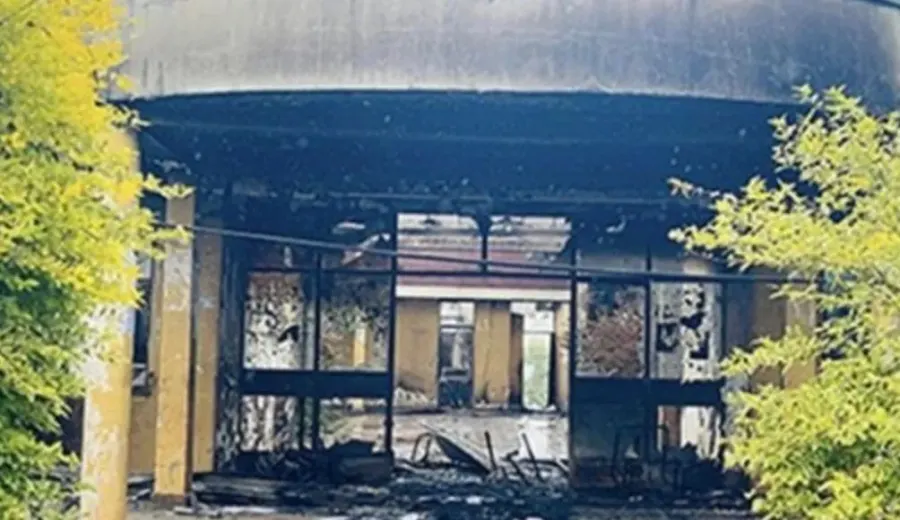
Introduction:A recent outbreak of severe armed attacks in the Konsu district of Ethiopia’s Southern Nations, Nationalities, and Peoples' Region has resulted in at least 14 deaths, displaced 37,000 people, and caused property losses exceeding 600 million birr. This area is not only a key part of the Sidamo coffee region but also lies adjacent to the renowned Yirgacheffe coffee zone. This article provides an in-depth analysis of the potential impact of this incident on local coffee cultivation and exports, as well as how currency depreciation and inflation are exacerbating industry challenges.
The Konsu district in Ethiopia’s Southern Nations, Nationalities, and Peoples' Region has recently been engulfed in a series of armed conflicts. The ongoing violence has led to the tragic loss of at least 14 lives, including 8 on-duty police officers and 5 innocent civilians, with one additional person later succumbing to injuries. The militants launched fierce assaults on local police stations and government facilities, looted civilian property, and set fire to both public buildings and homes. It was only after swift intervention by the Ethiopian National Defense Force and federal police that the attackers were driven out.
Konsu district is not just part of the Southern Nations, Nationalities, and Peoples' Region, but also a vital component of the Sidamo coffee-growing area, which neighbors the globally famous Yirgacheffe region. The violent clashes have forced approximately 37,000 residents to flee their homes, with total property damage estimated at over 600 million birr, delivering a heavy blow to the local society and economy. Although the militants have now retreated, there remains a risk they may infiltrate surrounding areas, continuing to threaten local security and directly impacting the production and supply chain of critical agricultural products such as coffee.
According to information from local authorities and police, starting August 18th, these self-proclaimed “members of extremist groups” carried out multiple days of attacks targeting regional police stations, local government offices, and innocent civilians and civil servants. The local district administrator confirmed that the death toll had risen to 14 and strongly condemned the atrocities committed by these extremists.
During the attacks, the militants launched aggressive assaults on police stations. Despite resistance from the police, they were eventually forced to retreat due to being outnumbered. Subsequently, the attackers not only looted weapons and supplies from the stations but also carried out widespread robberies among civilians—stealing valuables such as computers and mobile phones, confiscating motorcycles and cars, and setting government buildings and numerous residences ablaze, causing extensive damage.
This large-scale and prolonged attack continued until the arrival of the Ethiopian National Defense Force and federal police units in the region, which finally forced the militants to withdraw. Currently, relevant departments are actively searching for kidnapped individuals and verifying the actual death toll to fully assess the scale of the disaster.
According to an official statement released by the Konsu District Communication Office on August 24, the recent destruction caused by extremist forces has severely disrupted the peaceful lives of local residents and destroyed key infrastructure, including police stations and administrative buildings. The statement further disclosed that digital medical equipment in the local hospital, government vehicles, and office equipment from 23 government departments were all looted or damaged. Additionally, crops were destroyed, livestock stolen, and homes and property heavily damaged, resulting in total property losses exceeding 600 million birr.
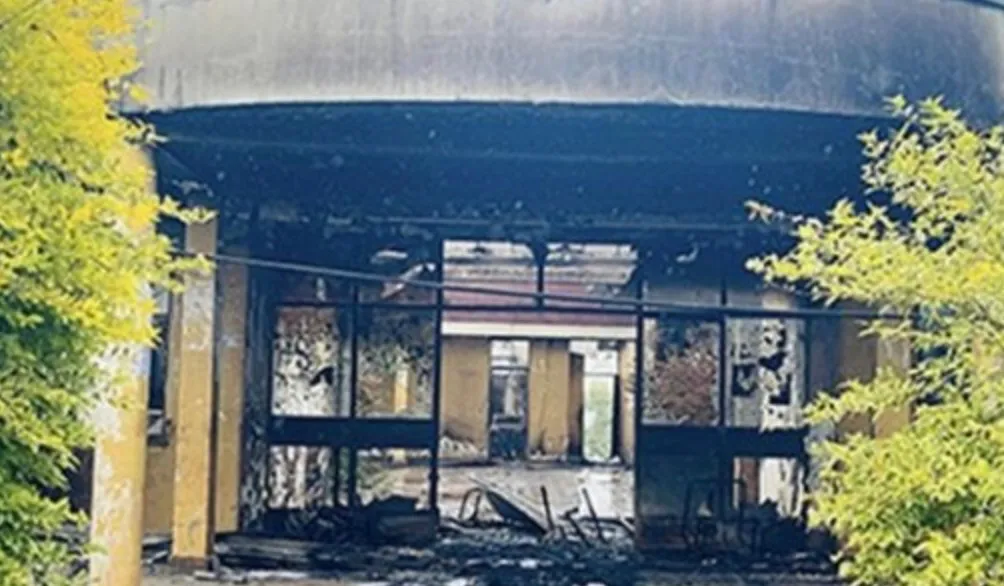
Notably, the Konsu district that suffered the attacks is not only part of the Southern Nations, Nationalities, and Peoples' Region but also a significant component of the Sidamo coffee region. Sidamo is one of Ethiopia’s major coffee-producing areas and is geographically close to the famous Yirgacheffe region. While the militants have now withdrawn from Konsu, they may very likely move to nearby regions to continue their sabotage and attacks, which could further damage coffee cultivation and the broader agricultural sector in the area—and may even lead to a noticeable decline in future coffee yields.
In the past, armed conflicts in Ethiopia were mostly concentrated in the northern parts of the country, while its main coffee-growing regions were primarily located west and south of the capital. However, the recent series of attacks in the central and southern areas—especially those directly impacting southern coffee-growing zones—have brought unprecedented direct impacts to the nation’s overall coffee industry.
Additionally, although Ethiopia previously implemented currency reforms that theoretically should have enhanced the price competitiveness of export goods like coffee through birr depreciation, the reality has shown that due to persistent instability in domestic export demand and continuously rising production input costs driven by inflation, export earnings have struggled to see significant growth. Experts from the Ethiopian Economic Association have analyzed that under the dual pressures of domestic inflation and unstable security conditions, short-term export revenues are unlikely to rise substantially. On the contrary, the country’s high reliance on imported essential goods means that currency depreciation has further increased import costs, potentially worsening the trade deficit and posing greater challenges to both the overall economy and the coffee export sector.
The above content is compiled by CoffeeHunters, a coffee news website.


