







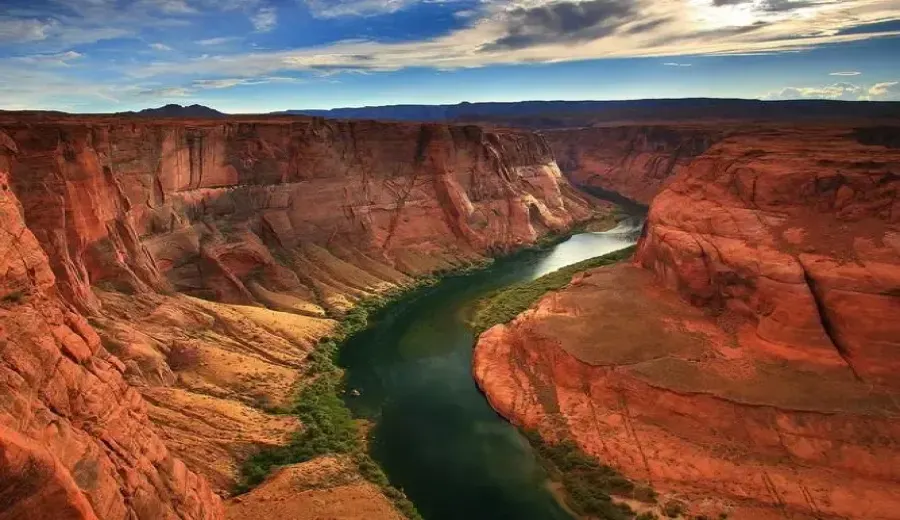
Introduction:As an important coffee-producing country in Africa, Tanzania’s Kilimanjaro and Arusha regions are renowned for their high altitudes, volcanic soils, and high-quality water sources. This article delves into the natural conditions, coffee characteristics, and growing environments of these two major regions, helping readers understand how these areas produce uniquely flavored coffee beans, while also providing practical tasting references.
The African continent is predominantly plateau terrain, with the East African region encompassing both the Ethiopian Highlands and the East African Plateau. The East African Rift Valley runs through it, along with numerous volcanoes and lakes, plus its equatorial location, all contributing to a natural environment highly conducive to coffee cultivation. Coffee production in East Africa accounts for approximately 14% of the global total, with Tanzania earning the reputation of being the “Gentleman of Coffee” for its premium coffee quality.
Located in East Africa, Tanzania has a terrain that is higher in the northwest and lower in the southeast. Mount Kilimanjaro towers in the northeast, reaching an elevation of 5,895 meters, making it the highest peak on the African continent. Around this mountain lie two core coffee-growing regions — Kilimanjaro and Arusha. These two regions benefit from high-altitude environments, mineral-rich volcanic soils, and pure water sources originating from high-altitude snowmelt, together nurturing coffee beans with distinctive flavors.
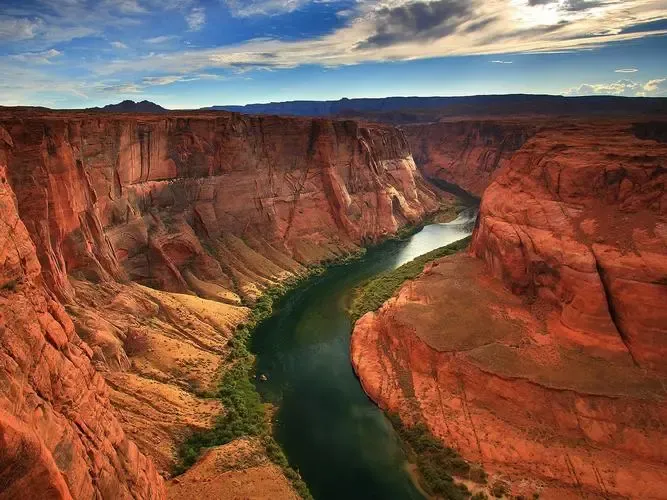
The overall terrain of Africa is predominantly plateau, with plateau areas accounting for over 60% of the continent. As a result, Africa’s average elevation is approximately 750 meters. East Africa not only features the Ethiopian Highlands, known as the “Roof of Africa,” but also includes the vast East African Plateau. The East African Rift Valley runs through the central and western parts of the plateau, with numerous volcanoes and lakes distributed along its flanks. This region straddles the equator and mainly enjoys a tropical climate, which not only provides favorable agricultural development conditions but also makes coffee an important cash crop, with regional coffee output accounting for about 14% of the global total.
Tanzania has a diverse terrain, with inland plateaus covering half of the country’s area in the west. The East African Rift Valley extends eastward and westward from Lake Malawi, running through the entire country. Mount Kilimanjaro, located in northeastern Tanzania, is not only the highest peak in Africa but also a key geographical hub for coffee cultivation in the surrounding areas. Most regions of the country have either a tropical savanna or mountain climate, with an average annual temperature between 21°C and 26°C. Although the annual rainfall is generally below 1,000 millimeters, the presence of large lakes such as Lake Victoria, Lake Tanganyika, and Lake Malawi, as well as numerous rivers, provides ample water resources.
Tanzania currently has nine designated coffee-growing regions, among which Kilimanjaro and Arusha are the most representative. These two major regions are adjacent to Mount Kilimanjaro, with coffee plantations situated at elevations ranging from 1,050 to 2,500 meters above sea level. The high altitude not only extends the ripening time of coffee cherries but also helps the coffee beans accumulate richer flavor compounds. Coupled with the region’s unique volcanic soils and clean water sourced from high-altitude snowmelt, the coffee produced here exhibits outstanding aroma and taste profiles.
Coffee cultivation in the Kilimanjaro region is primarily concentrated in Moshi, a city located at the southern foothills of Mount Kilimanjaro. It serves as the core hub for coffee trading and processing in the area, housing the nation’s largest coffee processing and export facilities. Coffee in this region is mainly processed using the washed method, with common varieties such as Typica, known for their distinct citrus and berry notes, complemented by honey and nutty undertones. The cup profile is soft, with a tea-like layering, making it ideal for pour over enthusiasts who prefer bright and fresh flavors. A washed Typica from this region was once released and received positive market feedback for its clear and balanced flavor.
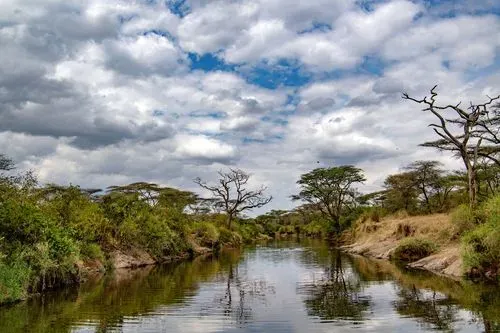
The Arusha region is located in northern Tanzania, adjacent to the western side of Mount Kilimanjaro, and is home to the provincial capital of Arusha Region. This area is not only rich in natural resources but also features volcanic crater plateaus, multiple lakes, and national parks. The coffee-growing zones in this region are distributed not only along the slopes of Mount Kilimanjaro but also extend around Mount Meru. Mount Meru is an active volcano with a crater lake and glacier remnants, offering mineral-rich volcanic soils along with abundant water sources. The elevation range of 1,100 to 1,800 meters is particularly suitable for the cultivation of crops such as coffee and bananas. Coffee from this area typically showcases bright acidity and complex fruity aromas, making it an excellent choice for exploring the diverse flavors of East African coffee.
Overall, Tanzania’s Kilimanjaro and Arusha regions, with their exceptional natural conditions, have secured a place in the global specialty coffee market. For coffee enthusiasts, understanding the geographic features and growing environments of these regions not only enables a deeper appreciation of the coffee flavors but also facilitates more precise selection when choosing coffee beans.
The above content is compiled by CoffeeHunters, a coffee news website.


