







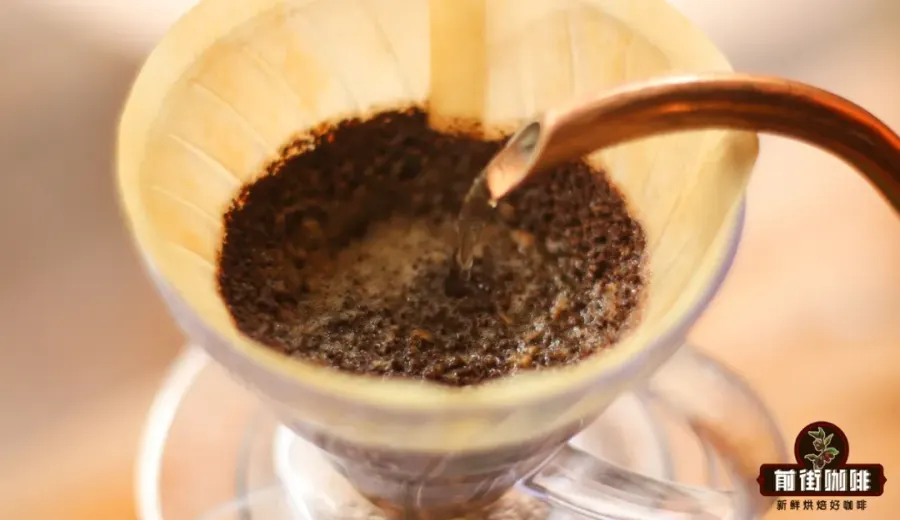
Introduction:Pulsed pouring (i.e., pouring water in multiple stages) is a key technique in pour over brewing that significantly affects flavor and extraction efficiency. Many coffee enthusiasts are often puzzled about whether to wait until all the water has completely dripped through before pouring the next round, or to continue pouring while there’s still some water remaining in the filter. This article delves into how different pouring timings impact extraction time and flavor expression, and provides practical guidance to help you master the precise rhythm of three-stage pour over brewing, thereby enhancing your coffee quality.
The technique of pulsed pouring in pour over coffee is an important topic for many enthusiasts seeking to improve extraction quality. Pulsed pouring refers to dividing the total brew water (after the bloom) into several pours, with appropriate waiting times between each to allow the water to gradually drain through the filter. One of the most frequently discussed questions is: after each pour, should you wait until the water has fully drained before adding the next batch, or should you pour again while some water is still draining? This seemingly simple decision actually has a profound impact on overall extraction time and the final flavor profile.
Generally speaking, the purpose of pulsed pouring is to control water temperature, extraction uniformity, and flow rate, thereby adjusting the coffee’s acidity-sweetness balance and body. By pouring in stages, hot water can make fuller contact with the coffee grounds, avoiding channeling caused by a single large pour. It also helps extend the overall extraction time, bringing out deeper layers of flavor.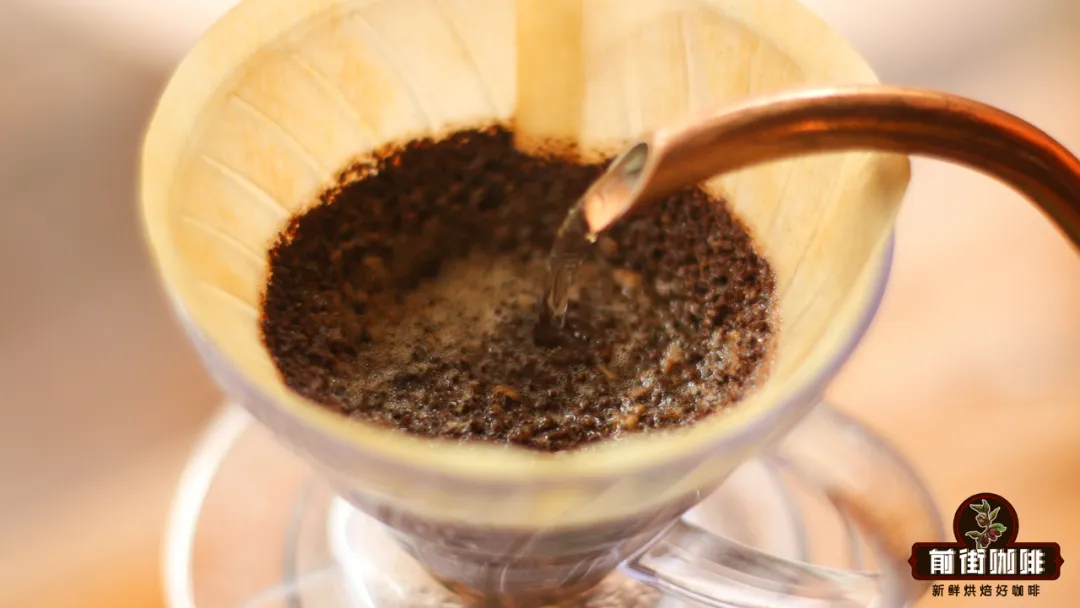
For those new to pour over brewing, pulsed pouring can be understood as breaking down the total brew water (excluding the bloom) into two to three (or even more) pours. The bloom itself is a crucial step that initiates the release of aromatic compounds from the coffee grounds. It typically involves gently wetting the grounds with a small amount of hot water (about twice the weight of the coffee) to allow carbon dioxide to escape, paving the way for optimal extraction. The pouring strategy after the bloom becomes a critical factor affecting the overall performance of the brew.
When using pulsed pouring, there is usually a waiting period between pours, allowing the water in the filter to slowly drain into the server below. Benefits of this approach include: longer contact time between hot water and coffee grounds, preventing the filter from being overloaded with too much water at once, and effectively extending the total extraction time—helping to fully release flavor compounds. However, the timing of these pauses—i.e., when to pour the next batch—is a point of debate among many baristas and enthusiasts.
So, should you wait until the previous pour has completely drained before adding the next, or should you pour again while some water is still draining? The answer isn’t one-size-fits-all—it depends on the extraction style you’re aiming for and the characteristics of the coffee beans you’re using. Some have conducted experiments comparing the two methods and found that if you wait for all the water to drain after each pour before adding the next, the overall extraction time will be noticeably extended. The extent of this extension varies depending on the density and hardness of the coffee beans:The higher the bean density and the harder the bean, the longer it takes for all the water to drain out..
If you choose to pour the next batch while some water is still draining (i.e., the filter isn’t fully drained), the extraction time is relatively shorter, and it helps maintain a more stable level of moisture in the coffee bed, contributing to more uniform extraction. However, this method requires more precise control to avoid over-extraction or overly concentrated flavors due to pouring too quickly or too much. On the other hand, insisting on waiting until the water has completely drained before the next pour may give you a clearer view of each stage of extraction, but prolonged waiting times might lead to under-extraction in some parts of the coffee bed, or result in an unbalanced overall flavor.
In practice, it’s recommended to adjust your pouring timing flexibly based on the type of coffee beans you’re using (such as altitude, processing method, roast level) and your personal flavor preferences. For example, light roasts generally require longer extraction times to bring out bright acidity and complex aromas—in such cases, slightly extending the waiting time may be beneficial. Medium to dark roasts, on the other hand, can handle a faster pouring rhythm to avoid extracting excessive bitterness. Observing factors such as flow rate, coffee bed expansion, and extraction sounds are all key indicators for deciding when to pour the next batch.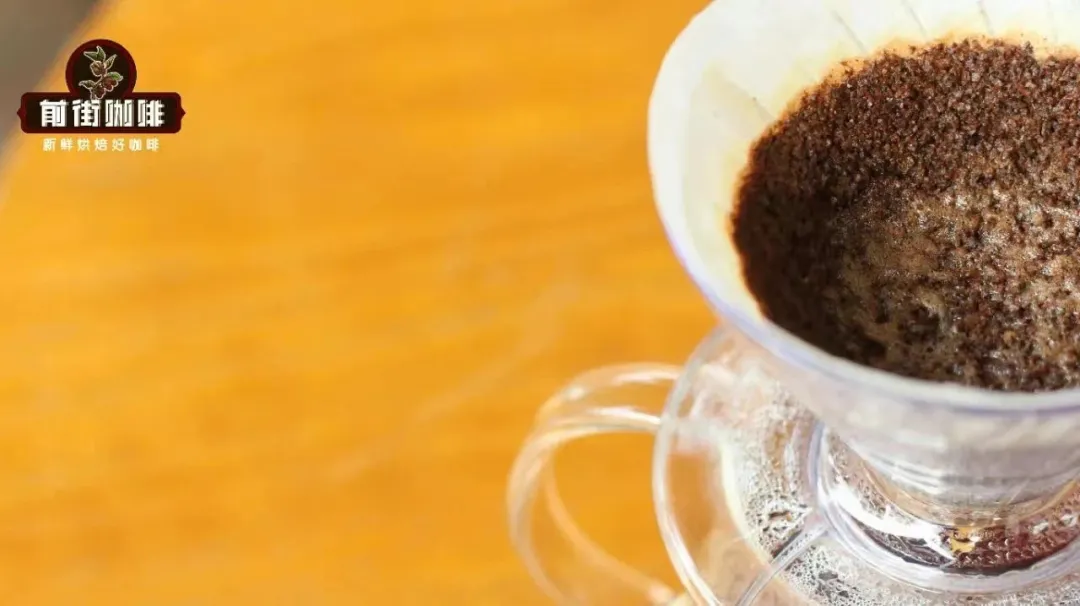
In summary, there’s no absolute standard for choosing the timing of pulsed pouring. Instead, it requires adjusting based on the characteristics of the coffee beans, your personal taste, and hands-on experience. Whether you choose to wait until the water has fully drained or to pour again while some water remains, the key lies in maintaining a consistent pouring speed, an even coffee bed distribution, and an appropriate total extraction time—all essential for brewing a pour over cup with balanced flavor and rich layers.
The above content is compiled by CoffeeHunters, a coffee news website.


