







Introduction:Want to enjoy a refreshing black coffee in the summer, but confused by terms like cold brew, ice drip, ice steep, and cold soak? These are actually all variations of low-temperature extraction, but each method differs in principle, flavor profile, and brewing technique. This article starts with the broad category of cold brew, breaks down the two main extraction methods—immersion and drip filtration—in detail, clarifies the vague definition of ice steep, traces the cultural origins of Dutch and Kyoto coffee, and provides tips on bean selection and flavor pairing for low-temperature extraction to help you choose the iced coffee that suits you best.
On hot summer days, many people look for something different in their coffee, so they start searching for “iced coffee” and are instantly overwhelmed by terms like cold brew, ice drip, ice steep, cold soak, Dutch coffee, and Kyoto coffee. All of these fall under the umbrella of low-temperature extraction, though they vary slightly in technique and regional usage. What are the differences between them? Which one is right for you? This article will begin with the broadest category—cold brew—and guide you through the two main techniques: immersion and drip filtration. We’ll also clarify the definitions and origins of common terms, helping you easily grasp the unique characteristics of various iced coffees.
First, let’s talk about “cold brew coffee,” or Cold Brew Coffee in English. This term gained popularity thanks to Starbucks, but in reality, any coffee made by extracting coffee grounds with cold or cool water at low temperatures can be classified as cold brew. Whether you use an immersion method, a drip filtration method, or even some special pouring techniques, as long as the extraction environment remains cool, the resulting black coffee can be considered cold brew. However, in Chinese contexts, when people refer to “cold brew coffee,” they usually mean coffee that has been steeped in cold water for a long time—what’s commonly known as cold soak coffee.
Cold soak coffee is a classic example of immersion brewing, and it’s extremely simple to make: mix medium-ground coffee with room temperature or cold water, place it in the fridge, and let it sit for several hours (usually 12–24 hours), then filter out the coffee grounds. This method doesn’t require complex equipment, works well with most coffee beans, has a low barrier to entry, and a low risk of failure. As a result, it’s not only a staple in many coffee shops but also a top DIY choice for home users. The only drawback may be the longer brewing time, but in exchange, you get a smoother, less acidic cup with fewer off-flavors.
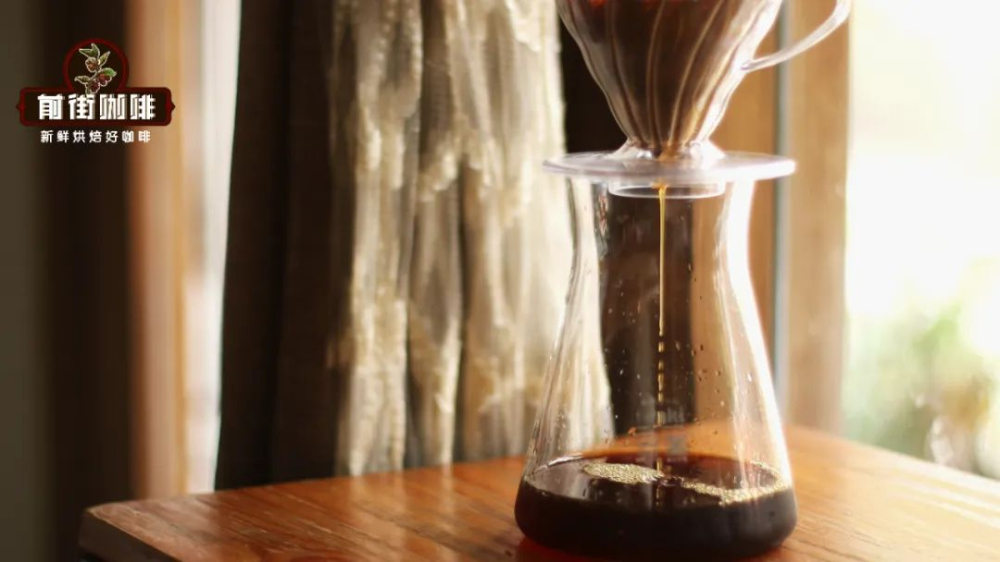
Another common low-temperature extraction method is drip filtration, also known as ice drip. The principle behind ice drip is to let melted ice slowly drip through a bed of coffee grounds, extracting flavors gradually over several hours or even more than ten hours. In many English-language resources, this technique is often referred to as Dutch Coffee rather than Ice Drip Coffee. Legend has it that in the 17th century, Dutch sailors, aiming to enjoy non-bitter and easily storable coffee during long sea voyages, tried mixing coffee grounds with cold water and accidentally discovered that this method reduced bitterness and improved portability. Later, this cold brewing method was introduced to Japan during the Edo period, where it gained popularity and eventually became known as Dutch Coffee.
Although the authenticity of this story is uncertain, what is clear is that the multi-layered, transparent funnel-style ice drip devices commonly seen in coffee shops today were popularized by Japanese brands such as HARIO, KINTO, and Kalita. These devices are not only functional but also visually striking. Later, as part of the third wave of coffee, they made their way to Europe and were dubbed Kyoto Coffee by Western markets, becoming one of the representative forms of Japanese coffee craftsmanship.
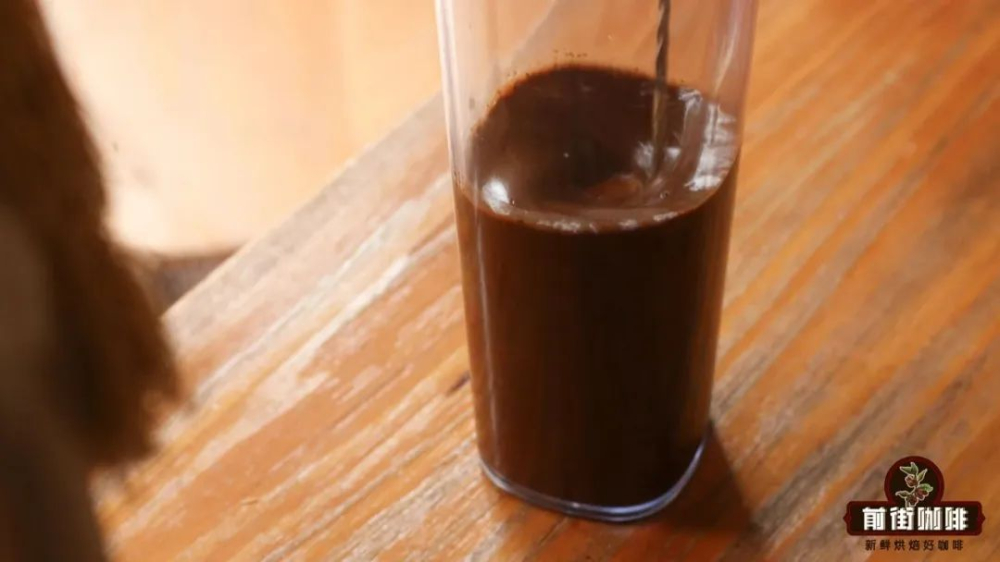
As for “ice steep coffee,” this term is not commonly used in domestic coffee shops and its definition is relatively vague. Some people think ice steep is the same as ice soak, others believe it specifically refers to ice drip, and some cafes even explain it as soaking coffee grounds in a mixture of ice and water. In fact, the term “ice steep” is often seen as an elegant translation of “Cold Brew,” and can be considered nearly synonymous with cold brew. However, if we look at the literal meaning, the character “steep” (釀) carries connotations of fermentation and maturation, similar to the process of brewing alcohol. In practice, whether it’s ice drip or cold soak, after extraction, the coffee is usually left sealed to rest for several hours or even a day or two to allow flavor compounds to further integrate—a period also called the “maturation period.” As a result, some producers argue that any cold brew coffee that goes through this maturation step can be broadly categorized as ice steep coffee.
If you want to try low-temperature extraction yourself, selecting the right beans is key.Opt for coffee beans with distinct floral and fruity profiles,as they tend to highlight the unique flavors brought out by low-temperature extraction. For example, if you prefer bright floral notes, you might choose beans with citrus, white peach, or jasmine characteristics; if you’re more drawn to rich fruitiness, beans with berry, berry sugar, or tropical fruit notes are great options. These flavor attributes are better preserved during slow, low-temperature extraction and complement the refreshing profile of iced coffee.
The above content is compiled by CoffeeHunters, a coffee news website.


