







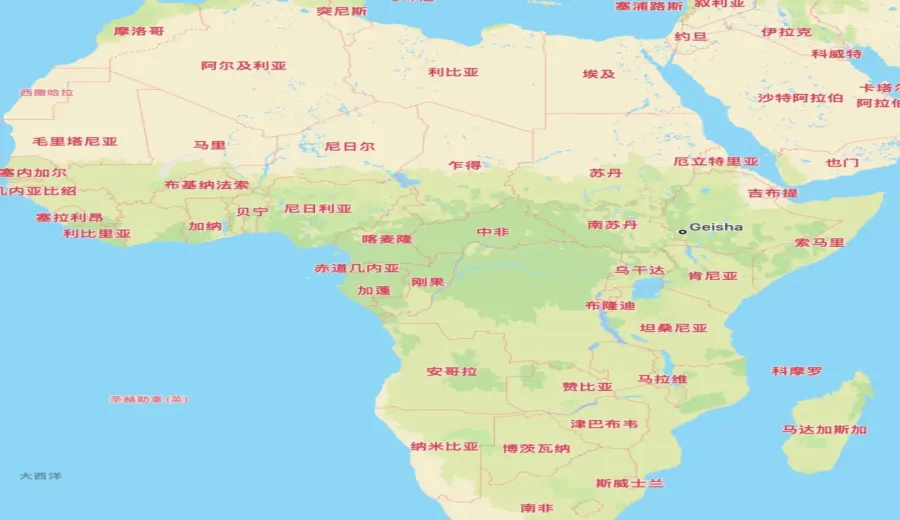
Introduction:Dive deep into three distinctive African coffee-producing countries: Burundi showcases bright, sweet acidity with washed Bourbon; Cameroon primarily grows Robusta but also cultivates highland Arabica; the Democratic Republic of the Congo (DRC), as the birthplace of Robusta, offers unique fruity profiles. This article explores the coffee cultivation background, regional distribution, variety characteristics, and market status of these three nations, guiding you through the brewing and tasting essentials of these niche African beans.
Africa is not only one of the birthplaces of coffee but also home to many countries with uniquely flavored coffees. Beyond the well-known Ethiopia and Kenya, Burundi, Cameroon, and the Democratic Republic of the Congo (commonly referred to as DRC) are three Central African nations with relatively low international recognition. However, their coffees each have distinct characteristics—whether it’s bright fruit acidity, rich body, or special regional aromas—that are worth exploring for coffee enthusiasts.
The African continent boasts abundant natural resources, with over three-quarters of its land consisting of high-altitude plateaus. The climate generally ranges between 20°C and 30°C, coupled with ample rainfall, providing an ideal environment for coffee growth. In addition to well-known producers, countries such as Tanzania, Rwanda, Burundi, Cameroon, DRC, and Malawi also possess significant, often overlooked coffee potential.
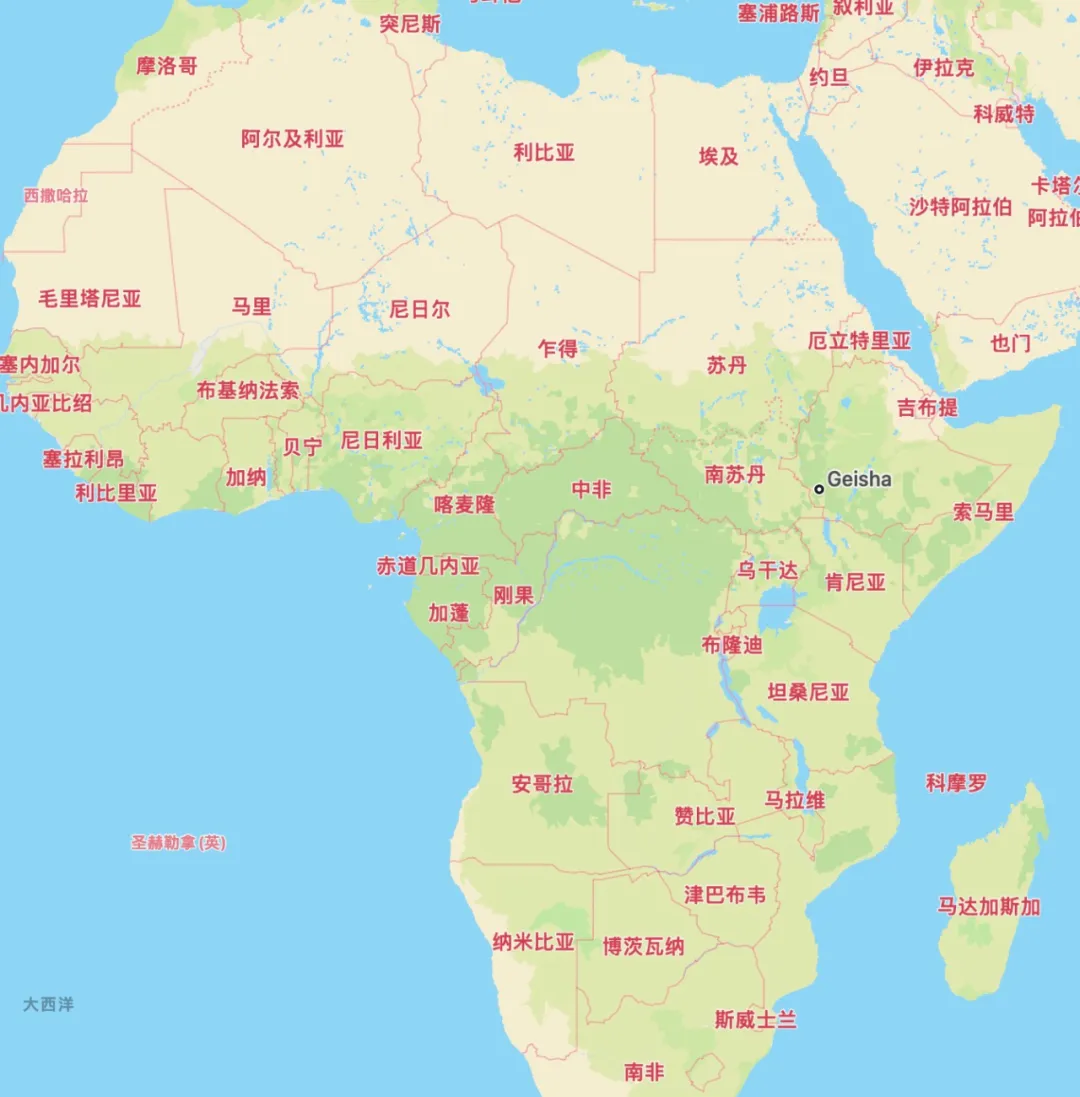
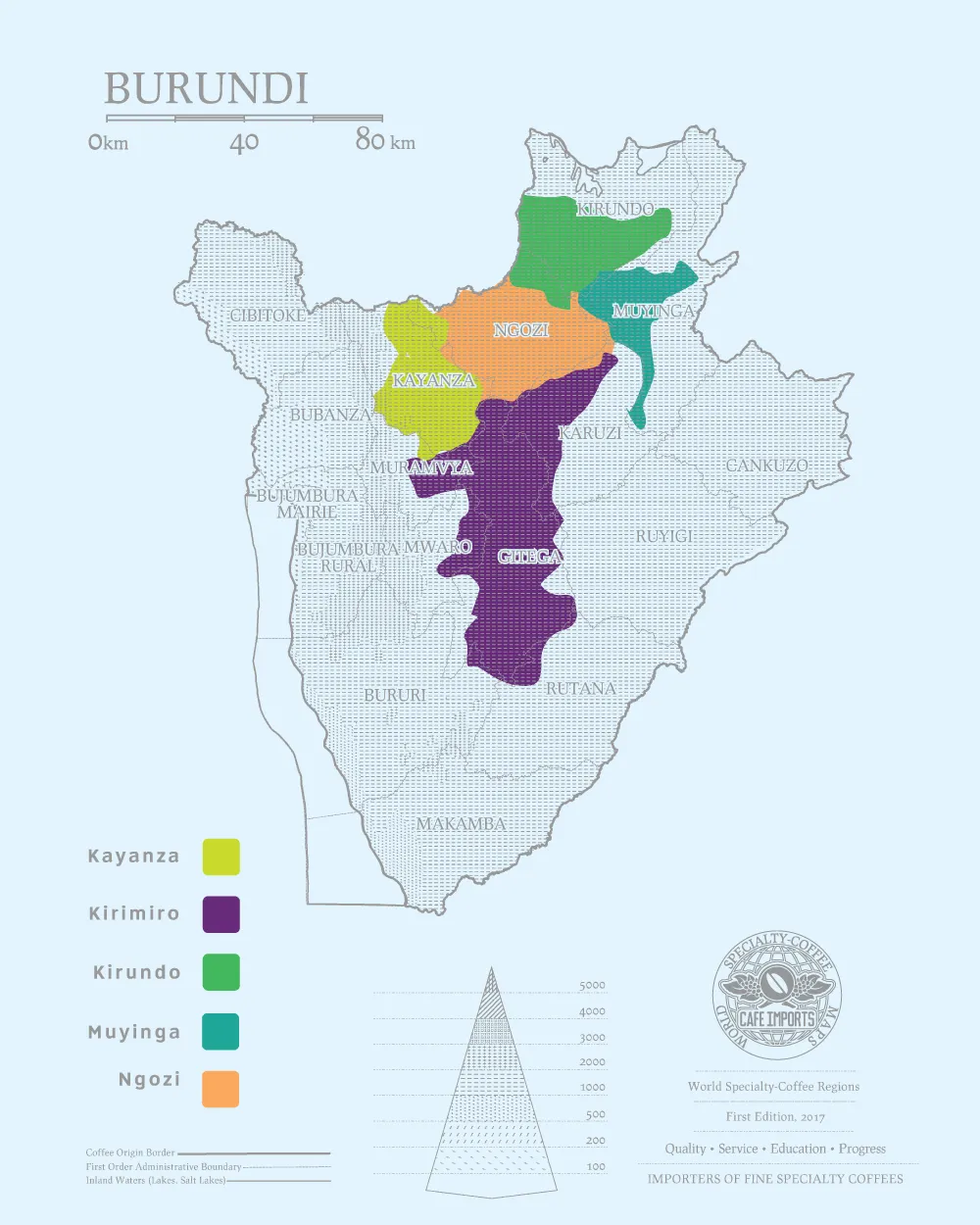
Burundi is located in Central Africa, south of the equator, with a terrain dominated by hills and mountains, mostly situated in the highland areas east of the East African Rift Valley. The country has numerous volcanoes and fertile soils, earning it the nickname “Heart of Africa.” Coffee was first introduced in the early 20th century by Belgian colonizers, initially grown on a small scale. After gaining independence from Belgium in 1962, the government began developing the coffee industry. Thanks to its favorable geographical conditions, coffee quickly became an important cash crop. However, years of civil war severely impacted production. It wasn’t until after the war, when the government allowed private entities to establish wet mills and reconstruction efforts were made with the help of international organizations, that Burundian coffee regained international attention. Currently, the main producing regions are concentrated in the central-northern areas of Kayanza, Kirimiro, Kirundo, Muyinga, and Ngozi. The primary varieties include Bourbon, Caturra, Catuai, and Jackson, all known for pronounced acidity and rich sweetness, delivering a balanced and full-bodied flavor profile. Annual production is around 20,000 metric tons, mostly processed using the washed method, with exports primarily going to the EU market. For those looking to experience the classic style of Burundian coffee, washed Bourbon is a must-try, with its crisp acidity and round mouthfeel being perfect for pour over or filter brewing.
Cameroon is located in Central-Western Africa, bordering the Gulf of Guinea. Its terrain includes coastal plains, plateaus, and mountains, with a diverse climate and abundant rainfall. The presence of numerous rivers and dense forests creates ideal growing conditions for coffee. Coffee was first introduced in the 19th century by German colonizers at the time and was initially trial-planted in the southwestern region, later expanding nationwide. Cameroon later became a French colony, during which the French government strongly supported the coffee industry, achieving a peak annual production of 156,000 metric tons. However, after gaining independence in 1960, production sharply declined due to policy changes and global economic factors. It wasn’t until support from Brazilian technical expertise and funding from the West African CFA franc zone organization that production gradually recovered. Currently, Cameroon mainly produces Robusta, which accounts for the vast majority of national output, with only a small amount of Arabica varieties such as Java and Typica grown at high altitudes in the western regions, making up about 5% of total production. National annual output is around 11,000 metric tons, with major exports going to the Netherlands, France, and China. Cameroonian Robusta typically exhibits a full body and distinct nutty notes, making it suitable for espresso blends to add a rich base flavor. For those who prefer bold flavors or want to try African-grown Robusta, Cameroonian beans are definitely worth a try.
The Democratic Republic of the Congo (DRC) is located in Central Africa and can be divided into five major geographical regions: the central Congo Basin, the eastern Great Rift Valley highlands, the northern Azande Plateau, the western Lower Guinea Highlands, and the southern Lunda-Katanga Plateau. The country is rich in mineral, hydroelectric, and forest resources, offering extremely favorable natural conditions. Notably, the DRC is considered the birthplace of the Robusta variety—this variety was discovered and promoted for cultivation by Belgian colonizers in the late 19th century, when numerous coffee plantations were established. However, after gaining independence in 1960, political instability and years of civil war severely damaged the coffee industry. Although the situation has stabilized somewhat in recent years, production continues to be affected by conflict, resulting in slow development. Currently, about 80% of the country’s coffee is Robusta, with only a small portion being Arabica, including Bourbon and Typica. The main producing regions are located around Lake Kivu in the east, bordering Burundi and Rwanda. The Robusta produced here often features bold aromas along with unique fruity and vanilla notes. Cultivation is mainly carried out by smallholders and cooperatives, with an annual output of about 10,000 metric tons, primarily exported to neighboring Uganda and member countries of the East African Community. For coffee lovers interested in exploring unique flavors, the DRC’s Robusta, with its regional characteristics and rare processing profiles, is highly worthwhile for appreciation and collection.
The above content is compiled by CoffeeHunters, a coffee news website.


