







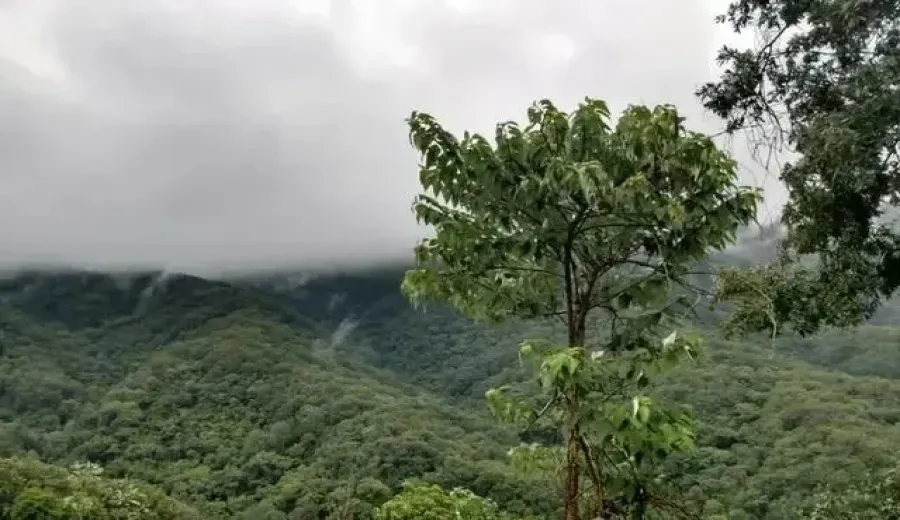
Introduction:Explore the essence of Mexican coffee, from the unique geography and climate conditions of Veracruz to the behind-the-scenes story of how La Perla Farm claimed the washed coffee category championship in the 2024 Mexico COE. This article takes you deep into this coffee-growing paradise that nurtures premium Bourbon, Geisha, SL28, and Pacamara, analyzing its exceptional terroir and meticulous farming techniques — an essential guide for coffee enthusiasts and origin explorers alike.
Mexico consistently ranks among the world’s top ten coffee-producing nations. Since its introduction by the Spanish in the 17th century, the country’s coffee industry has undergone centuries of evolution — from competing as a traditional beverage to giving way to mineral mining, and then rising with specialty coffee. Its development has been full of twists and turns, yet truly remarkable. Among its many producing regions, Veracruz stands out thanks to its exceptional geographic environment and climate, making it one of Mexico’s four core coffee regions and home to shining examples like La Perla Farm.
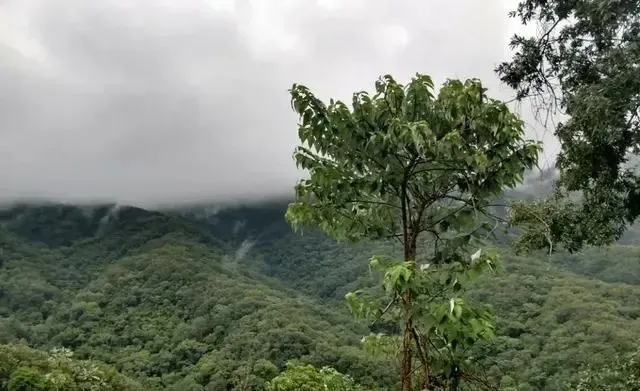
The terrain of North America is diverse, with vast central plains intersected by east-west mountain ranges, along with widespread plateaus and mountains, active volcanoes, and abundant water systems. The continent spans tropical, temperate, and cold zones, offering a rich variety of climates that have enabled coffee cultivation in countries including El Salvador, Honduras, Costa Rica, and Mexico. Among them, Mexico — ranked as the tenth largest coffee-producing country globally — has in recent years consistently introduced stunningly high-quality coffee beans.
Coffee was first introduced to Mexico around the end of the 17th century by the Spanish, Juan Antonio Garcia, via Cuba. However, at that time, Mexican society favored chocolate and Atole, a stimulating drink made from corn, and mining activities were more economically rewarding, so coffee cultivation did not take off immediately. It wasn’t until the 1870s, when coffee exports from the regions of Veracruz, Oaxaca, and Chiapas increased, that the coffee industry gradually began to develop.
The early 20th century marked a pivotal moment for the Mexican coffee industry with the establishment of the National Coffee Institute of Mexico (INMECAFE). The institute provided technical and financial support, and with government investment, it significantly expanded both the area under coffee cultivation and overall production. Unfortunately, the institute was dissolved in the 1980s, and the government sold state-owned processing plants. Many farmers lost their sales channels, resulting in a simultaneous decline in both quantity and quality — a struggle that persisted through the 1990s and early 2000s. Fortunately, starting in 2006, the rise of coffee cooperatives and the promotion of organic coffee brought new hope for the industry’s revival.
The flourishing growth of coffee cultivation in Mexico is closely linked to its geography and climate. The country is largely surrounded by the Sierra Madre mountain ranges, with the Mexican Plateau in the center and the flat Yucatán Peninsula in the southeast. Its coasts feature long, narrow plains. The plateau regions enjoy a mild climate, with average annual temperatures ranging between 10–26°C. The northwest has a continental climate, while the southeast and coastal areas feature tropical or tropical rainforest climates. Moreover, most regions experience distinct dry and rainy seasons — all of which provide ideal conditions for coffee growth.
Coffee is grown in all 16 Mexican states, but over 90% of production is concentrated in four major southern regions: Chiapas, Oaxaca, Veracruz, and Puebla. Among them, Veracruz is located in south-central Mexico, facing the Caribbean Sea, serving as an important agricultural distribution hub on the eastern coast, and also home to the country’s highest peak — Pico de Orizaba. Coffee farming in the state is primarily concentrated in mountainous areas, at elevations between 1,100 to 1,600 meters. Thanks to its solid industrial foundation, Veracruz is also the most technologically advanced region for coffee cultivation in Mexico.
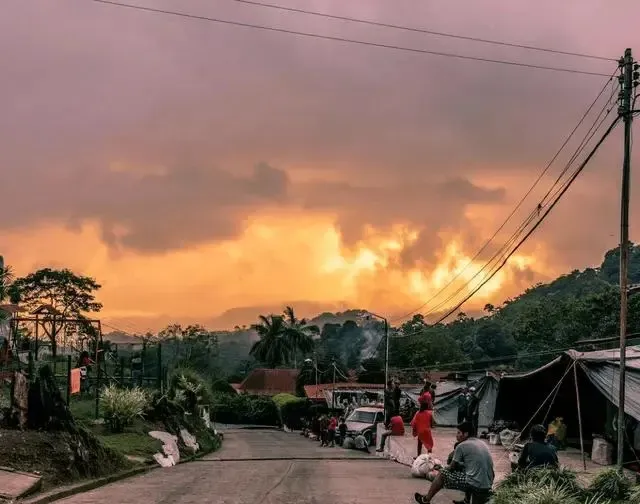
Among the many high-quality farms in Veracruz, La Perla Farm stands out. Located in the Coatepec area, the farm sits in mountainous terrain with an average elevation of about 1,500 meters, adjacent to a canyon. This terrain creates a distinctive microclimate where the interaction of rising warm air and descending cool air, combined with frequent fog, provides stable humidity and optimal growing conditions for the soil and coffee plants.
La Perla Farm is operated by Ernesto Pérez Orea and his family. The land was originally purchased by his grandfather, Ernesto, but it wasn’t until 2021 that it was officially dedicated to agricultural production. The farm spans 35 hectares, of which only 10 are used for coffee cultivation, with the rest designated as ecological reserves. The estate is committed not only to coffee production but also to quality improvement and varietal research. The varieties grown include Bourbon, Geisha, SL28, and Pacamara. These carefully selected cultivars achieved remarkable success in the 2024 Mexico COE washed coffee category, earning the championship with an outstanding score of 90.79 — showcasing the farm’s ultimate pursuit in both cultivation techniques and flavor refinement.
The above content is compiled by CoffeeHunters, a coffee news website.


