








Introduction:When making espresso, do you often encounter issues such as insufficient pressure, thin crema, or unexpectedly sharp acidity in dark roasted beans? These common problems are actually closely related to "under-extraction." This article delves into why dark roasted coffee can still exhibit pronounced acidity and explores how extraction parameter errors affect flavor balance. It will help you master adjustment techniques to improve extraction stability and taste performance.
During the espresso brewing process, many coffee enthusiasts frequently face several frustrating issues: the pressure reading consistently fails to meet the target, the extracted coffee lacks the appealing crema layer, or using dark roasted beans results in an unexpected sharp acidity. While these problems may seem independent, they often stem from one fundamental cause—under-extraction. This article will thoroughly explore these common extraction challenges, explain why dark roasted beans might still show strong acidity, and demonstrate how adjustments can improve extraction, guiding you step-by-step toward a stable and balanced extraction method.
First, let’s focus on a common question: why does espresso made from dark roasted beans taste so sour and biting? This is a frequently asked question on many coffee discussion platforms. Many users report that they used coffee beans labeled as dark roasted, yet the resulting espresso emits a noticeably sharp acidity, which is far from the expected rich, sweet, or even chocolatey and caramel-like flavors.

In fact, this situation is usually a clear sign of "under-extraction." Many people mistakenly believe that dark roasted beans have no acidity at all, but in reality, dark roasting only suppresses the acidity, making the bitterness and sweetness more prominent in the overall flavor. Under ideal extraction conditions, these sweet compounds and appropriate bitterness can effectively “neutralize” the acidity, resulting in a coffee that tastes rich and layered, with the acidity subtly tucked away in the background.
However, when under-extraction occurs, the outcome is vastly different. Under-extraction refers to the failure to fully extract the soluble flavor compounds from the coffee grounds—especially those that bring sweetness and body. In this case, the sharp acidic compounds, which are released earlier and should have been balanced by subsequent flavors, are left unchecked and dominate the taste, making the coffee taste sour, harsh, and unbalanced.

To better understand this issue, it’s important to know that during extraction, the substances released from the coffee grounds occur in a certain order. The first to dissolve are acidic compounds, followed by sweet components, and finally the bitter and body-related compounds. If the extraction time is too short, the water temperature is too low, the pressure is inadequate, or the grind size is unsuitable, it can result in a large amount of acidic compounds being extracted while the subsequent sweet and bitter compounds that could balance the flavor are not sufficiently extracted, leading to flavor imbalance.
Additionally, insufficient pressure is another common issue faced by both home and professional coffee machine users. When the extraction pressure fails to reach the standard around 9 bar, the water flows through the coffee puck too quickly, reducing contact time and lowering the overall extraction rate. This not only affects flavor balance but also inhibits the formation of crema, significantly compromising the coffee's appearance and taste.
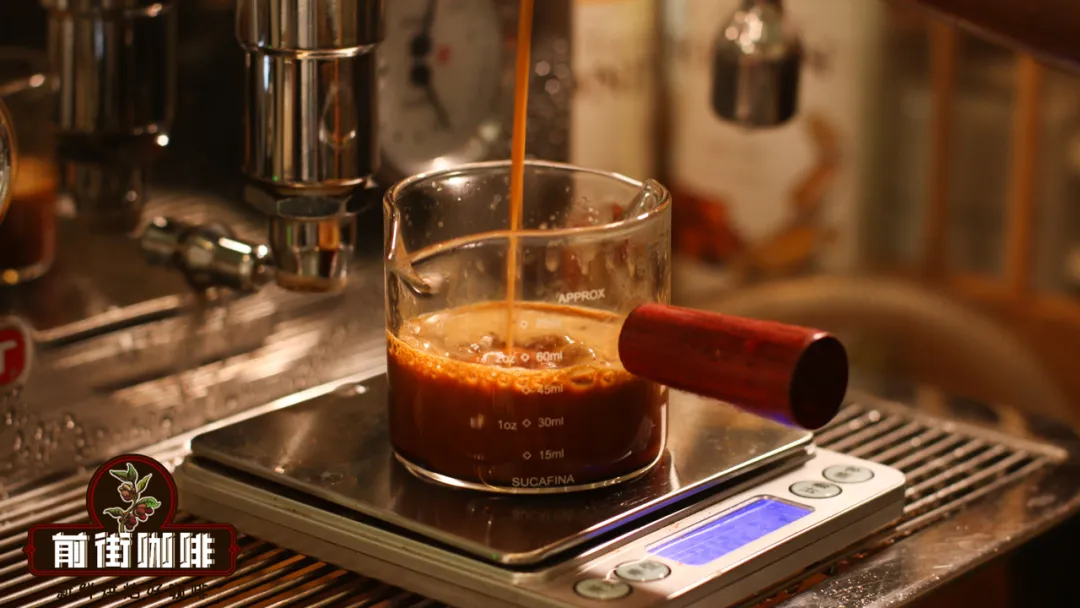
The formation of crema requires appropriate pressure and fine coffee oil droplets suspended in the extracted liquid. Insufficient pressure prevents these oil droplets from being effectively drawn out and stably distributed on the surface, resulting in thin, pale, or almost nonexistent crema. Crema is not just the "face" of espresso—it also plays a role in flavor release and the continuity of mouthfeel.
Overall, to address these extraction issues, the key lies in precisely adjusting the grind size, controlling extraction time, maintaining stable water temperature and pressure, and adjusting parameters according to the roast level of the coffee beans. For dark roasted beans, although their inherent acidity is not prominent, sufficient extraction is still necessary to bring out sweetness and balancing compounds, preventing the acidity from standing out and disrupting overall flavor harmony.
Whether you're a beginner just starting out or an experienced enthusiast, understanding the principles behind these extraction processes and common mistakes can help you make more accurate adjustments during daily brewing, enhancing the quality and consistency of every shot of espresso. Remember, stable extraction comes from mastering the details—every step, from grind to pressure, is worth your careful observation and optimization.

The above content is compiled by CoffeeHunters, a coffee news website.


