








Introduction:Blue Mountain coffee has long been renowned, but many people are deeply disappointed after their first taste—so why is it hailed as the "King of Coffee"? This article delves into the history, terroir, flavor profile, and grading system of Jamaican Blue Mountain coffee. From the introduction of Typica in 1728 to the industry changes after the abolition of slavery in 1834, we uncover the true story and tasting essentials behind this legendary coffee.
The fame of Blue Mountain coffee only began to reach the international market after the exclusive contract between Jamaica and Japan expired in 2008. Many coffee enthusiasts finally had the chance to try this premium brew, often dubbed the "Emperor of Coffee." However, upon the first sip, many were let down—aside from a smoother mouthfeel, they didn’t experience the intense aroma and complexity they expected. Is the legend just a myth?
In fact, the lofty status of Blue Mountain coffee is not unearned. To truly understand its value, we must go back nearly three centuries to the Jamaican Blue Mountain region. It all started in 1728, when Typica coffee plants were first introduced. At that time, coffee was not yet a mainstream crop but merely a supplementary economic product alongside sugarcane, and its development was hindered by high taxes.

It wasn’t until 1790, when the British government reduced coffee taxes, that Jamaica’s coffee cultivation saw a turning point. Thanks to the Blue Mountains’ unique high altitude and mild climate, coffee production surged within just a few decades. The island once had over 600 coffee estates, with annual output peaking at 15,000 tons, laying the foundation for its presence in the international market.
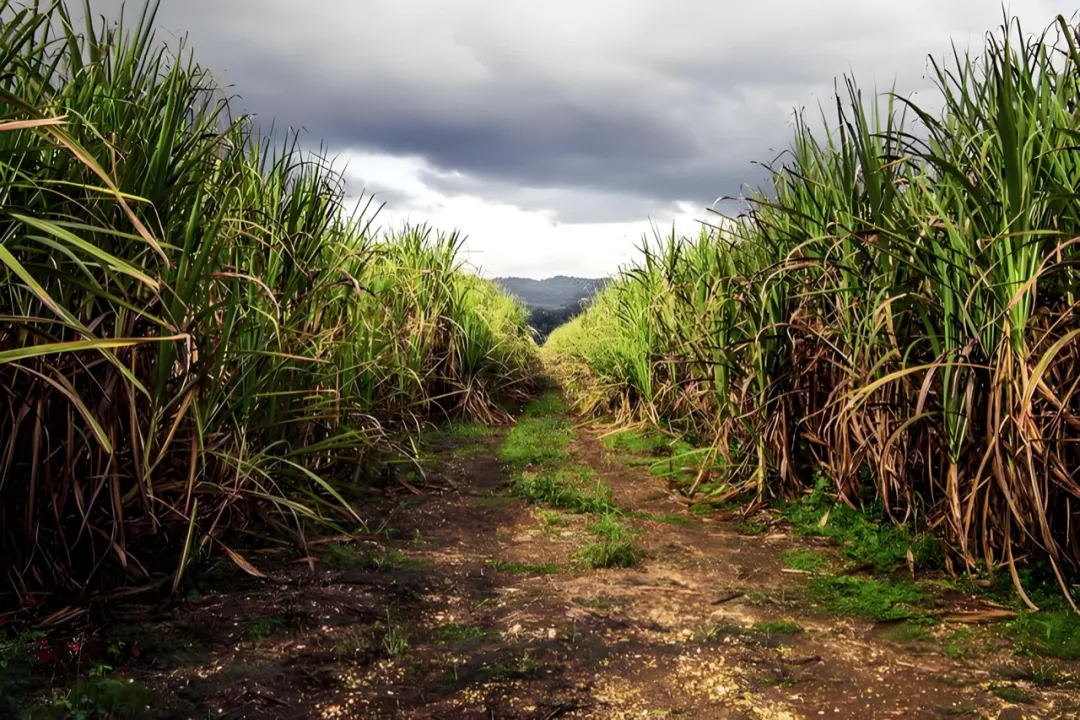
However, the abolition of slavery in Britain in 1834 dealt a major blow to Jamaica’s agriculture. Although many freed laborers regained land, sugarcane proved more profitable, leading to the conversion of many former coffee fields into sugarcane plantations. To make matters worse, some areas had soil and slopes unsuitable for sugarcane, causing yields of various crops—including coffee—to plummet significantly, plunging Jamaica’s agricultural economy into a long-term slump.

So, what makes Blue Mountain coffee so unique? The term "Blue Mountain" refers to a mountain range in eastern Jamaica, located around 18 degrees north latitude, within a tropical rainforest climate zone. With stable year-round temperatures, abundant rainfall, fertile volcanic soil, and high altitudes, it provides an ideal environment for coffee trees. Especially at elevations between 1,200 and 1,700 meters, the conditions are considered optimal for growing Blue Mountain coffee.
Blue Mountain coffee is cultivated using the traditional Typica variety—an ancient cultivar known for its delicate flavor, mild acidity, and excellent balance. Due to the high altitude and slow growth of the region, the coffee cherries accumulate more nutrients, resulting in a low-acid, richly bodied cup with subtle notes of nuts and chocolate in the finish.
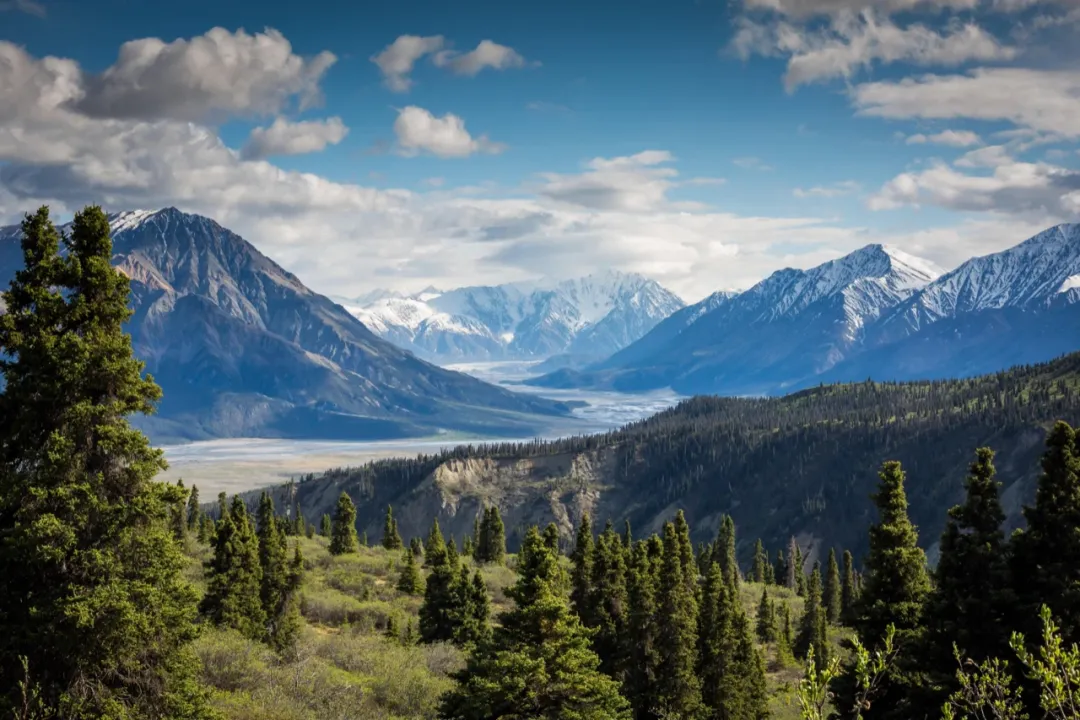
Regarding the grading of Blue Mountain coffee, it is primarily based on altitude and processing methods. The highest grade is "Blue Mountain No.1," characterized by whole beans with extremely low defect rates. This grade accounts for only a tiny fraction of total production and is the most sought-after in the market. Other grades include No.2 and No.3, as well as "Blue Mountain Peaberry" and "Blue Mountain Triage," which are intended for blends. It’s important to note that only coffee grown within the designated Blue Mountain region can be labeled as "Jamaican Blue Mountain Coffee," and it is protected by strict origin certification.
Many people, upon first trying Blue Mountain coffee, expect intense fruitiness or a bold burst of flavors, but in reality, the charm of Blue Mountain coffee lies in itsbalanced mouthfeel and nuanced flavor layers. For brewing, a medium-light to medium roast is recommended. When using pour over, maintain a water temperature of 90–93°C and grind to a medium-fine consistency to better highlight its full body and subtle nutty tones.
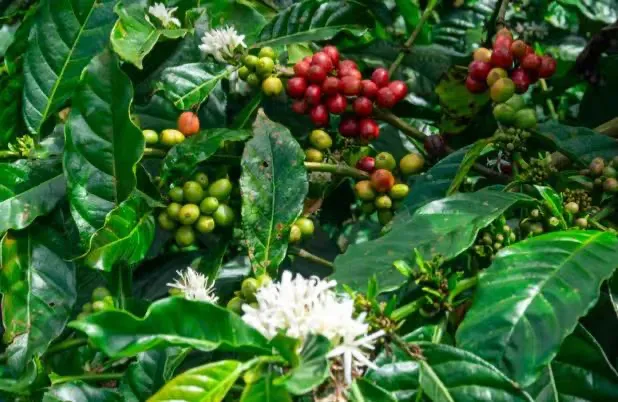
In summary, Blue Mountain coffee’s status as a legend in the coffee world is not solely due to its flavor profile but also because of its irreplaceable terroir, deep historical roots, and stringent quality control. For coffee lovers who seek classic balance, understanding its story and characteristics will help you more deeply appreciate the unique qualities of this "Emperor of Coffee."

The above content is compiled by CoffeeHunters, a coffee news website.


