







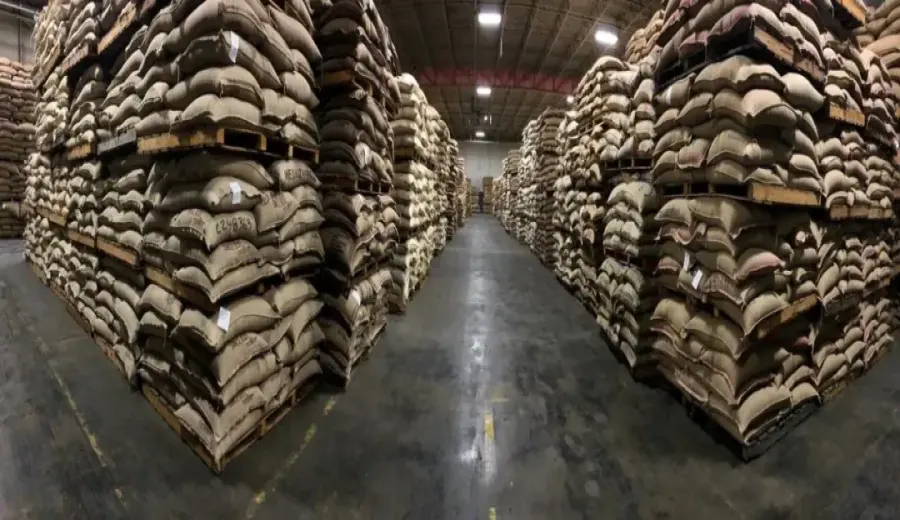
Introduction:Brazil’s coffee exports in July reached 3.774 million bags, a year-on-year increase of 25.7%, with foreign exchange earnings soaring by 47.9% to $932.5 million. Among them, Robusta performed exceptionally well. However, major ports experienced severe congestion, resulting in 1.262 million bags of coffee being unable to ship on schedule in July, causing losses as high as $313 million. Traders also incurred additional costs exceeding 7.45 million Brazilian reais. What challenges does this situation pose to the international reputation and supply stability of Brazilian coffee?
According to the latest statistics from the Brazilian Coffee Exporters Council (Cecafe), the country’s total coffee exports in July 2024 amounted to 3.774 million bags (60 kg per bag), a significant increase of 25.7% compared to 3.002 million bags in the same period of 2023. Meanwhile, foreign exchange earnings also grew markedly, totaling $932.5 million, reflecting an annual growth rate of 47.9%, demonstrating strong international demand for Brazilian coffee.
In terms of product types, Robusta coffee was the highlight of the month, with exports reaching approximately 900,000 bags, an annual growth rate of 82.2%. This not only set a new monthly high for the year but also ranked as the second highest in history, just behind the 902,000 bags exported in November 2023. The traditional mainstay, Arabica coffee, also performed well, with exports amounting to 2.491 million bags, up 13% year-on-year. In the first seven months of this year, Brazil’s cumulative coffee exports reached 2.8146 million bags, reflecting a substantial year-on-year increase of 46.3%.
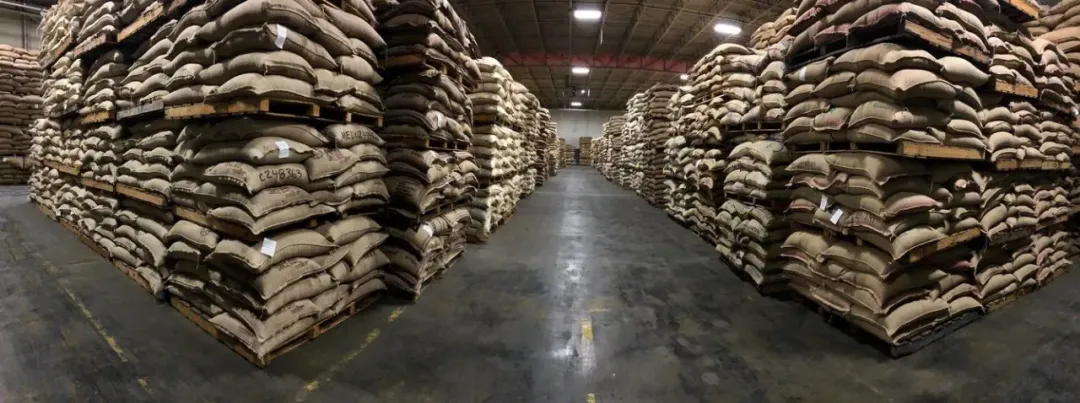
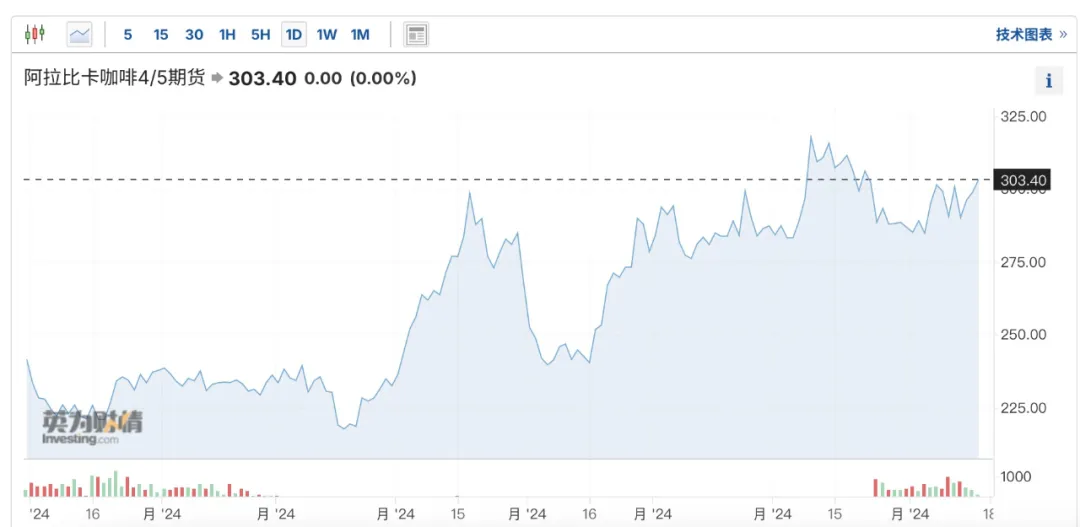
It is worth noting that due to the overall global downturn in coffee production, coupled with previous drought conditions in Brazil that led to reduced output and quality in some regions, several international institutions have successively revised downward their production estimates for the 2024–2025 season. This has also driven global coffee prices upward, further boosting the export earnings of Brazilian coffee. From January to July this year, Brazil’s total coffee export revenue has accumulated to $6.277 billion, marking an annual increase of over 50%.
Market data shows that as of July this year, the average spot price of Arabica coffee in Brazil reached 1,419.72 Brazilian reais per bag, up 5.22% from June of this year and a staggering 73.2% higher than in July of last year. As for Robusta coffee, the average spot price per bag was 1,270.41 Brazilian reais, up 4.6% from June and a sharp surge of 95.66% year-on-year, hitting a recent high.
However, despite the impressive export performance, Brazil’s coffee trade is facing serious logistical bottlenecks. According to Cecafe, major export ports such as Santos have continued to experience delays and congestion. In July alone, as many as 1.262 million bags of coffee could not be shipped on time, resulting in estimated losses of 1.735 billion Brazilian reais, or about $313 million (calculated at the July exchange rate of 1 USD to 5.54 BRL). Additionally, traders and exporters incurred extra unforeseen costs, including pre-stacking, warehousing, detention, and customs clearance, totaling 7.456 million Brazilian reais in losses.
The causes of port congestion are quite diverse, including delays in ship arrivals, disruptions from adverse weather, changes in loading and unloading deadlines, container shortages, insufficient terminal space, and unexpected incidents such as cargo rollovers. Among these, just the closure of ports in Santa Catarina state in late July due to sea fog, and the occurrence of 4-meter-high waves off the coast of Espírito Santo state in mid-August, both forced frequent suspensions of operations at the Santos port, further worsening overall logistics efficiency.
This situation not only leads to short-term economic losses but also poses a potential threat to the international reputation of Brazilian coffee. Delayed deliveries may cause buyers to turn to other producing regions, further weakening Brazil’s competitiveness in the global coffee market. To improve port infrastructure, the Brazilian government announced as early as March this year that it would invest 12.6 billion Brazilian reais (approximately $2.53 billion) between 2024 and 2028 to carry out a series of projects at the Santos port, including building new tunnels, widening waterways, adding parking areas and berths for ships, and improving surrounding road traffic. However, no significant improvements have been seen so far.
The president of Cecafe pointed out that the second half of each year is the peak export season for Brazilian agricultural products, including coffee, as well as cotton and sugar. If the port bottleneck issue remains unresolved, it will not only severely impact the operations of exporters but also be detrimental to the overall international positioning and sustainable development of Brazilian agriculture.
Faced with the uncertainty in Brazilian coffee supply, consumers and traders may consider alternative bean sources from more stable producing regions, while also keeping an eye on the arrival of new-crop Brazilian beans in the coming season, seizing the opportunity to taste their unique flavors when appropriate.
The above content is compiled by CoffeeHunters, a coffee news website.


