







Introduction:The Pichincha Province in Ecuador, with its high-altitude volcanic soils, nurtures unique specialty coffees, among which the Sidra variety has been a highlight in recent COE competitions. This article delves into the region’s geographical advantages, climatic conditions, and representative farms, guiding you to explore Andean volcanic coffee flavors through terroir, and provides practical bean selection and brewing references.
Located in the northwest of South America, Ecuador is traversed by the Equator in its northern part. The country is dotted with volcanoes in the Andes mountain range and boasts diverse climates, offering ideal natural conditions for coffee cultivation. Although cocoa and oil have long dominated the economy, the nation’s coffee industry is steadily reviving as international markets increasingly recognize its coffee quality. Among these, Pichincha Province in the northern highlands stands out with its advantageous average altitude of around 2,800 meters, fertile volcanic soils, and clear water sources, making it a key base for specialty coffee production—especially renowned for the Sidra variety.
Pichincha Province not only enjoys superior geographical conditions but also hosts notable specialty coffee producers such as Meridiano Estate and Cruz Loma Estate. Through rigorous cultivation and post-harvest processes, these farms bring out distinctive regional flavors in their coffees. In the 2023 Ecuador Cup of Excellence (COE) competition, the province performed exceptionally well, fully showcasing the potential and flavor characteristics of Andean highland coffee.
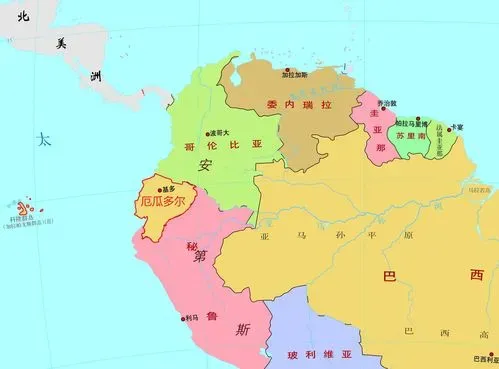
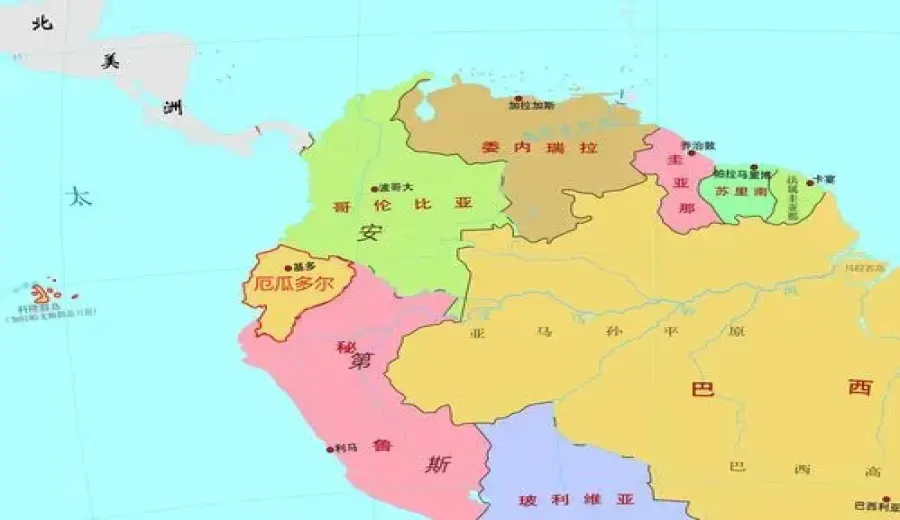
Ecuador is situated at the northwestern tip of South America and features a dual landscape of coast and highlands. The Andes mountain range runs across the country, which can be broadly divided into four major regions: the western coastal area, the central mountainous region, the eastern Amazon basin, and the Galápagos Islands. Each region, due to differences in altitude, precipitation, and temperature, forms distinct microclimates, with the central mountainous area being particularly suitable for coffee growing.
The country’s climate is predominantly tropical, but the variation in altitude results in a diverse agricultural environment. The western coastal region has a tropical rainforest climate, with an average annual temperature of about 23–25°C, and is humid and rainy. The central mountainous region mainly experiences tropical savanna and subtropical forest climates. As altitude increases, temperatures drop, and some highlands are often shrouded in clouds. The rainy season runs from December to June, while the dry season is from July to November—a cycle highly favorable for coffee growth and fruit ripening.
The eastern Amazon region remains hot and humid year-round, with annual precipitation reaching 2,000–3,000 mm. Though unsuitable for large-scale commercial coffee cultivation, it boasts extremely high biodiversity. The diverse climates, fertile volcanic soils, abundant sunshine, and distinct wet and dry seasons make Ecuador one of the few countries capable of growing both Arabica and Robusta coffee.
Coffee was introduced to Ecuador in the 19th century, but as cocoa was the primary cash crop at the time, coffee cultivation did not receive adequate attention. It wasn’t until the 20th century, when cocoa was hit by disease, that coffee began to emerge. However, the global coffee price crisis of the 1990s severely damaged the industry, prompting many farmers to switch to other cash crops or abandon farming altogether. Ecuador turned instead to developing its oil industry, leading to a long stagnation in its coffee sector. Fortunately, in recent years, through the joint efforts of farmers and roasters, Ecuadorian coffee has regained international attention, especially in the specialty coffee category.
Arabica coffee in Ecuador is mainly grown in the highland areas of the central Andes, divided into two major regions: the northern and southern zones. The northern region includes Carchi, Imbabura, and Pichincha provinces; the southern region consists of Loja, Azuay, and Zamora Chinchipe provinces. These areas generally sit between 1,800 and 2,800 meters above sea level, providing ideal growing conditions for Arabica, with the harvest season typically running from March to October each year.
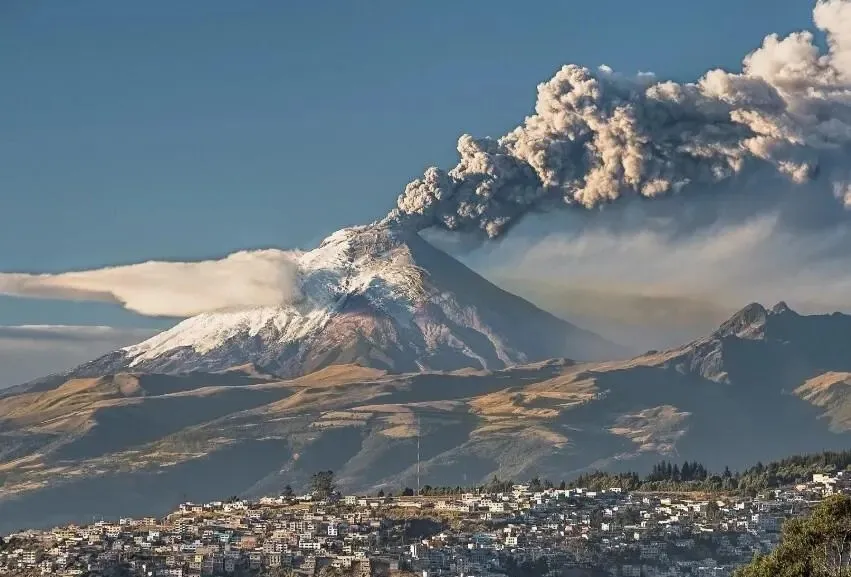
As an important coffee-producing region in northern Ecuador, Pichincha Province derives its name from the famous Pichincha Volcano within its borders. With an average elevation of 2,800 meters, the province features undulating mountains, fertile volcanic soils, clean water from the Alambi River, and abundant sunshine year-round—all of which provide excellent growing conditions for coffee trees. This unique terroir gives Pichincha coffee its delicate, complex, and layered flavor profile.
Notably, Pichincha Province was once home to one of the international coffee breeding institutions. Nestlé established a breeding center here, where, through hybridization techniques, it successfully developed the now-renowned Sidra variety. Known for its distinctive fruity aroma, bright acidity, and tea-like finish, this variety has received widespread acclaim and become one of the region’s representative signatures.
Among the many farms in Pichincha Province, Cruz Loma Estate is managed by the Morales Rivera family, who also oversee another well-known farm—Tulipe Estate. Both farms are located at an altitude of around 1,800 meters and have long been committed to meticulous cultivation and post-harvest processing. Through continuous staff training and process optimization, they ensure each batch of coffee achieves optimal quality. As a result, Cruz Loma Estate achieved third place in the 2023 Ecuador Cup of Excellence (COE) competition, demonstrating the strength of the region in the specialty coffee field.
For coffee enthusiasts, Pichincha Province’s coffee not only showcases the unique terroir of the Andean volcanic highlands but also offers rich flavor layers—from bright citrus acidity and tropical fruit notes to soft tea-like textures and sweet lingering aromas. It is an excellent choice for pour over or filter brewing. We recommend using a medium-light roast, with water at 90–93°C, ground fine, and brewed via pour over for around 2 minutes to fully highlight its regional characteristics.
The above content is compiled by CoffeeHunters, a coffee news website.


