








Introduction:Have you ever caught a strong whiff of soy sauce or fermented bean paste while grinding coffee? This flavor, often referred to as “fermented umami” or “sauce aroma,” is actually closely related to the coffee bean’s processing method. This article delves into the impact of natural (sun-dried) and anaerobic processing on coffee flavor, analyzes the origins and formation of these savory notes, and uses specific coffee varieties as examples to help you distinguish the characteristics of different processing methods—enhancing your ability to identify and appreciate coffee flavors.
After roasting, green coffee beans release a variety of aromatic compounds, ranging from fresh floral and citrus notes to rich caramel and nutty tones. These aromas are often released in large amounts during grinding, which is one reason why many baristas invite customers to smell the dry grounds first. However, not all aromas are pleasant—some coffees, once ground, emit a pungent fermented umami scent reminiscent of common household fermented bean paste or soy sauce, often causing a frown. Where does this “sauce-like” aroma come from, and how is it connected to the coffee’s processing?

The aroma of coffee beans mainly comes from the hundreds of volatile compounds produced during roasting. These substances are rapidly released upon grinding and detected by the human olfactory system. That’s why many coffee shops specifically invite customers to smell the coffee before brewing, to enjoy the layered aromas of the dry grounds. But some coffee beans carry a distinctly “sauce-like” aroma—intense, salty, and savory—which is often described as similar to soy sauce, fermented black beans, or fermented bean paste. First-time encounters with this can be off-putting.
This so-called “strong sauce flavor” is usually caused by over-fermentation during the coffee processing stage. Whether using traditional washed, natural (sun-dried), or anaerobic methods, coffee beans all go through a fermentation phase after harvest—a crucial step in flavor development. The depth of fermentation directly affects the final aroma and taste profile of the coffee. With lighter fermentation, coffee tends to retain more of its original fruity and fresh characteristics; but when fermentation is intensified, the resulting compounds become more complex, potentially leading to strong fermented aromas that can evolve into a salty-savory profile reminiscent of soy sauce.

Anaerobic processing, due to its unique fermentation environment and time control compared to traditional methods, often produces richer and more complex flavor profiles—but is also more prone to what is termed the “sauce aroma.” Anaerobic processing typically involves fermenting coffee beans in a sealed, low-oxygen environment, which allows specific microorganisms to become more active, resulting in an aroma profile distinctly different from traditional sun-dried or washed methods. If fermentation goes on too long or conditions are not properly controlled, overly intense fermented odors can develop, ultimately manifesting as flavors similar to soy sauce or fermented black beans.
However, it’s worth noting that anaerobic processing itself varies in intensity. Light anaerobic-processed coffee beans undergo relatively mild fermentation, resulting in a cleaner and more refreshing flavor—sometimes even resembling a standard sun-dried coffee—without obvious sauce-like notes. For example, the Hartmann Estate’s anaerobic natural Geisha, although processed using anaerobic techniques, presents a notably clean profile with gentle fermentation notes, offering a clear and crisp cup without imparting a heavy sauce-like impression. Such coffees may easily be mistaken for ordinary sun-dried ones, yet the processing craftsmanship behind them is actually more refined.
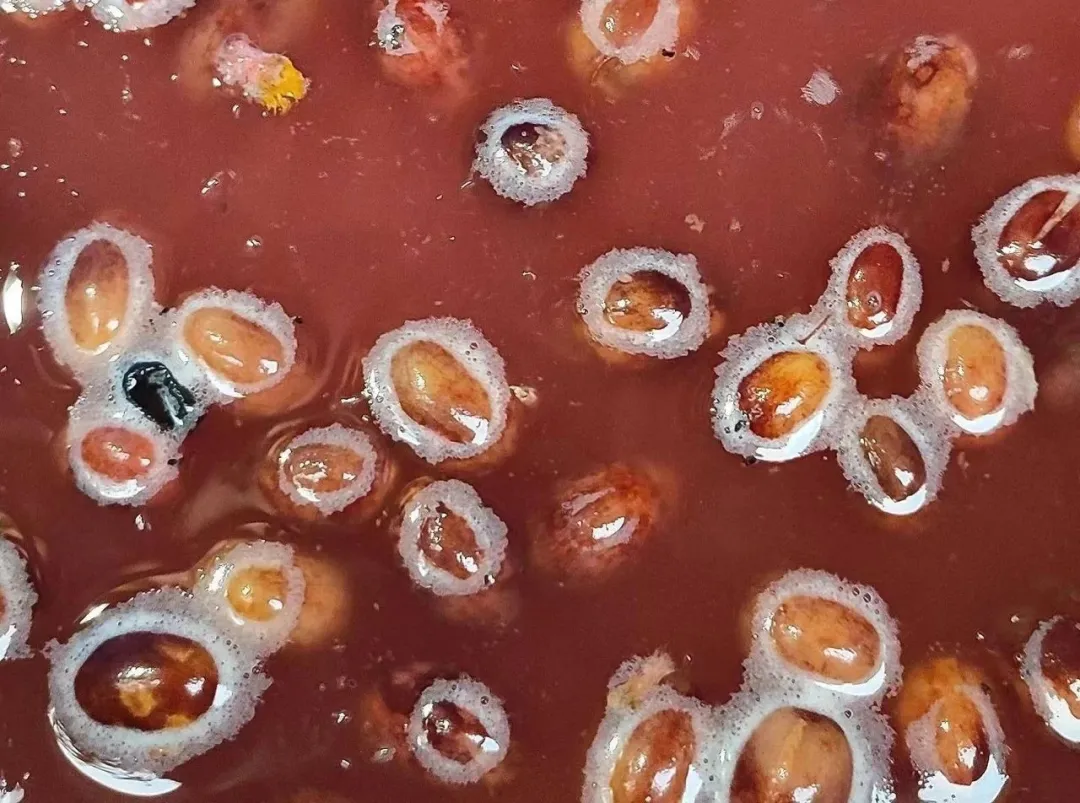
Furthermore, not all coffees labeled as anaerobic processing will exhibit strong sauce aromas. Upon careful nosing, some anaerobically processed beans reveal delicate underlying aromas—such as purple grape, longan, or even tropical fruit notes. Taking some well-known anaerobic Geisha offerings on the market as examples, the initial impression might be dominated by a strong sauce-like scent, but with enough time and attention, one can often discern more complex and captivating fruit and sweet tones, along with a richly layered flavor in the cup. Therefore, it’s advisable not to be swayed by first impressions during tasting—take your time to explore carefully, and you might uncover unexpected delights.
Aside from fermentation processing methods, improper roasting can also be a potential cause of unpleasant odors in coffee. When roasting involves excessive heat or the beans are heated too quickly on the surface, it may lead to imbalanced internal material transformations, producing negative flavors like burnt or salty notes—sometimes also described as having a sauce-like tone. However, such cases are generally due to roasting errors and are relatively rare among professional roasters, meaning they are not a primary cause of sauce aroma.
In summary, the sauce-like aromas in coffee are mainly associated with the depth and method of fermentation processing, especially within anaerobic methods. This flavor isn’t entirely negative, but it can easily trigger aversion before being carefully appreciated. By understanding the characteristics of different processing methods and accumulating real tasting experience, we can gain a more comprehensive understanding of the diversity of coffee flavors—and make more accurate judgments when selecting and evaluating coffee.
Whether you’re a beginner coffee enthusiast or an experienced coffee explorer, understanding the connection between these processing methods and flavors will allow you to enjoy a richer, more nuanced coffee experience. Why not start by trying coffees processed using different methods, and personally experience the unique charm brought by sun-dried, anaerobic, and other techniques?

The above content is compiled by CoffeeHunters, a coffee news website.


