







Introduction:As an important coffee-producing country in East Africa, Tanzania boasts diverse growing regions and unique flavor profiles. This article delves into the nine major coffee regions of Tanzania, with a special focus on the emerging Kigoma region. From geographical environment and historical background to coffee potential, it explores how this land nurtures promising coffee beans and analyzes its future development trends.
As the second-largest continent in the world, Africa is predominantly plateau terrain, coupled with equatorial climate conditions, creating numerous areas suitable for coffee cultivation. Tanzania, with its exceptional geographical environment and rich historical background, has become one of the leading coffee producers in East Africa and is even honored as the "Gentleman of Coffee." From the introduction of coffee during the German colonial period to subsequent industry transformations and challenges, Tanzania’s coffee development journey has been both tumultuous and rich. Today, its nine major regions—including Kilimanjaro, Arusha, and Kigoma—each have their own distinct characteristics. Among them, Kigoma, as an emerging region, is gradually revealing its unique charm.
The African continent is located in the southwestern part of the Eastern Hemisphere and is second in size only to Asia. Its terrain is mainly plateau, with about 60% of the land situated at elevations between 500 and 1,000 meters. The continent is dotted with mountains, volcanoes, lakes, and rivers. Since the equator runs through it, most areas have a tropical climate, characterized by high temperatures and dryness year-round, with average annual temperatures generally exceeding 20°C, providing diverse microclimates for coffee cultivation.
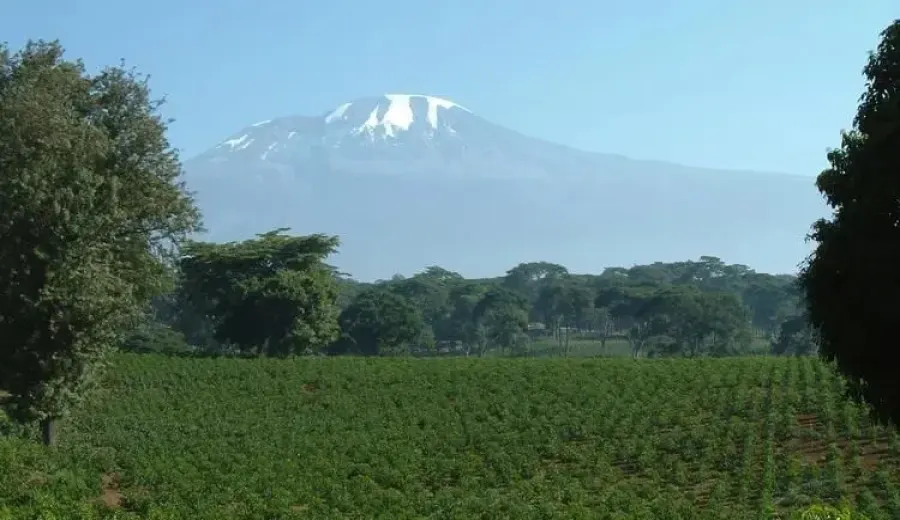
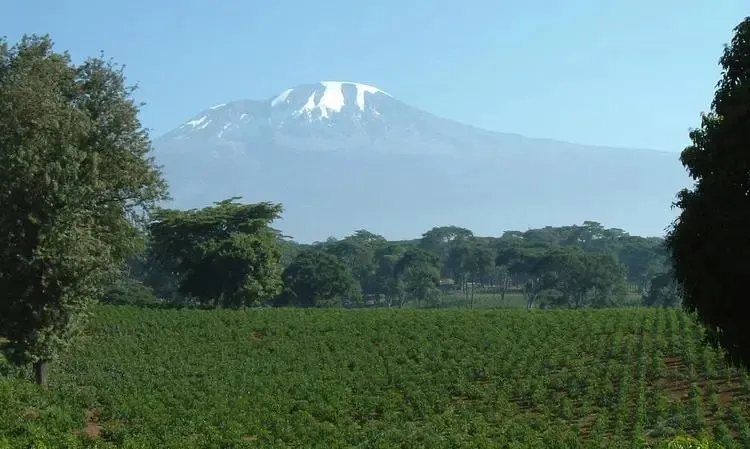
Tanzania is located in eastern Africa, with terrain that is generally higher in the northwest and lower in the southeast. The western part is plateau terrain, covering more than half of the country's area. The East African Rift Valley extends east-west from Lake Malawi and runs across the entire territory, while Africa’s highest peak—Mount Kilimanjaro—stands tall in the northeast. Although rainfall is generally low across the country, with eight out of ten regions receiving less than 1,000 millimeters of precipitation annually, the abundance of rivers and lakes provides relatively ample water resources, laying a foundation for agricultural development.
Coffee cultivation in Tanzania dates back to the 19th century during the German colonial period, when coffee was first introduced to the Bukoba region. However, due to the local Haya people’s tradition of growing food crops, their acceptance of switching to coffee was low, resulting in initial difficulties in promotion. After World War I, the British took over the region and planted over ten million coffee seedlings in Bukoba, but conflicts with local residents limited planting effectiveness, and the focus of cultivation gradually shifted to the Chagga region.
After Tanzania gained independence in 1961, the government listed coffee as a key development industry and implemented a series of reforms in the 1990s. However, a large-scale outbreak of coffee leaf rust in the late 1990s severely damaged the northern growing regions, forcing cultivation areas to shift southward and gradually concentrate around Mount Kilimanjaro. Thanks to high altitudes and favorable microclimates, coffee remains an important pillar of Tanzania’s agricultural economy to this day.
Currently, Tanzania’s coffee-growing areas are divided into nine major regions, including the well-known Kilimanjaro, Arusha, Ruvuma, Mbeya, Tarime, and Kigoma. Among them, the Kilimanjaro region, named after Africa’s highest peak, grows coffee at elevations ranging from 1,050 to 2,500 meters above sea level. The volcanic soil and high-altitude environment contribute to the unique flavors of its coffee. For example, a washed Typica from this region often exhibits layers of citrus, berries, honey, and nuts, with a soft mouthfeel and tea-like notes, delivering an overall balanced and delicate profile.
In addition to Kilimanjaro, the Kigoma region is also gradually gaining attention. This region is located in northwestern Tanzania, bordering Burundi and adjacent to Lake Tanganyika, one of the Great Lakes of East Africa. Lake Tanganyika not only provides abundant natural resources, but its lakeside climate is pleasant and vegetation lush. The surrounding banana groves and oil palms offer ideal shading and wind protection for coffee trees, aiding in the stable growth of coffee cherries. Currently, the coffee industry in this area is still in its infancy, but thanks to its potential, it has gradually attracted the attention of the government and industry. In recent years, with increased funding, efforts have been made to actively develop agriculture and related supporting industries, and it is expected to become a new highlight in Tanzania’s coffee map.
The above content is compiled by CoffeeHunters, a coffee news website.


