







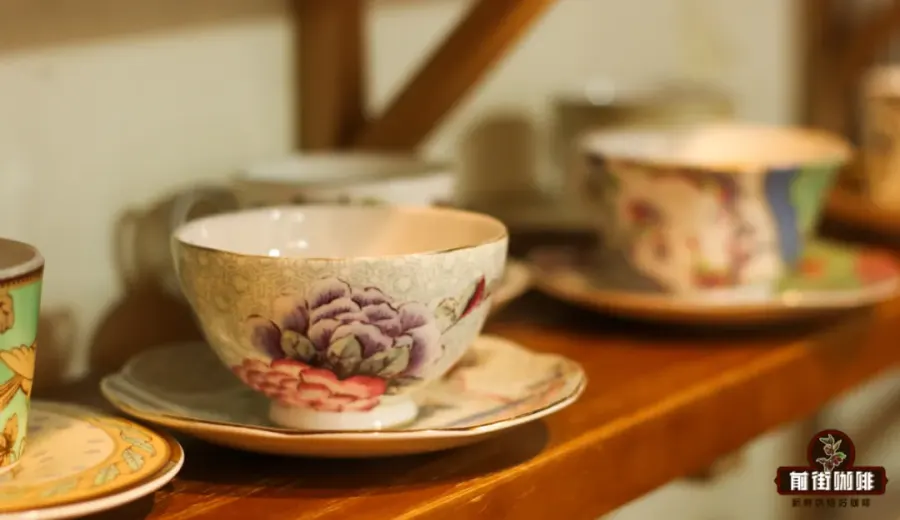
Introduction:Have you ever wondered if those uniquely shaped coffee tasting cups can truly enhance your drinking experience? This article delves into the design principles of tasting cups, how their materials and shapes actually affect flavor perception, and explores whether aroma cups can genuinely help you capture more aromatic details. It also provides practical pour over training methods to help you gradually sharpen your sensitivity to coffee layers and flavors.
When savoring coffee, many enthusiasts have faced this question: do those uniquely designed, exquisitely crafted tasting cups truly elevate flavor perception, or are they just high-priced accessories under commercial packaging? This article will guide you from the origins and design philosophy of tasting cups, dissecting their actual effects on taste and smell, exploring whether aroma cups offer substantial benefits, and how to train sharper flavor judgment in everyday pour over brewing.
Not long ago, a familiar regular customer asked a certain coffee shop an interesting question: why not use specialized tasting cups? He believed that such cups seemed better able to fully showcase the potential flavors of coffee beans. Is it merely a product of marketing rhetoric?
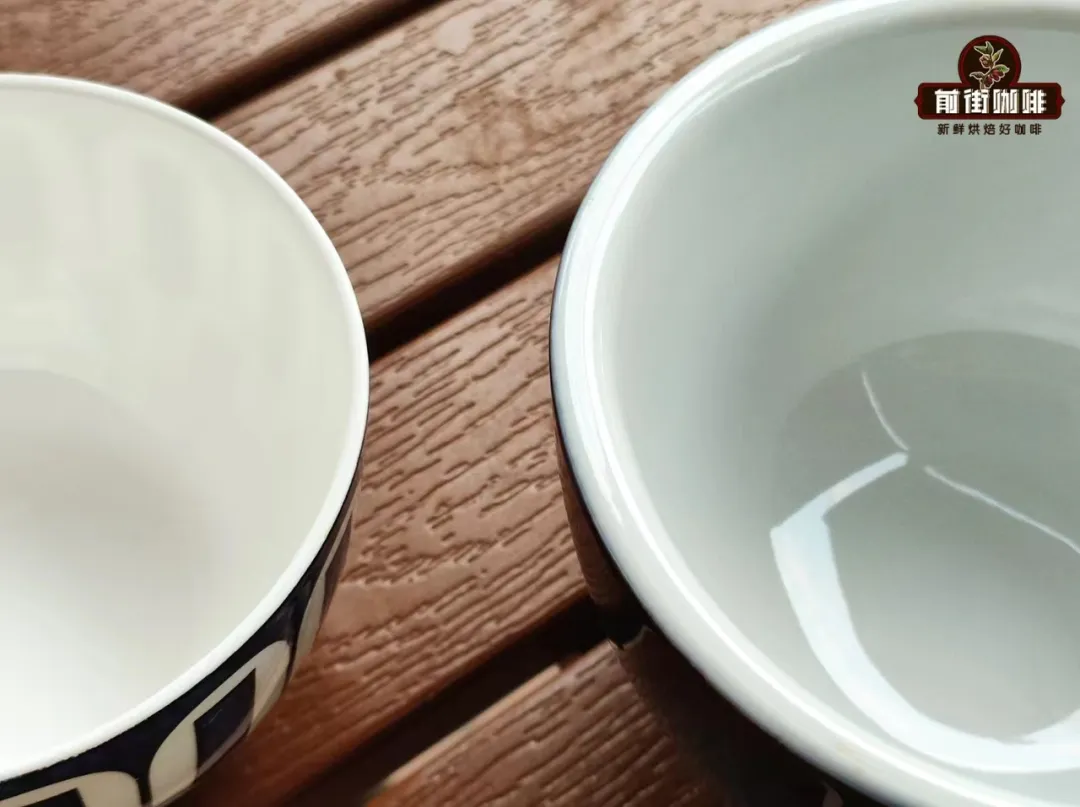
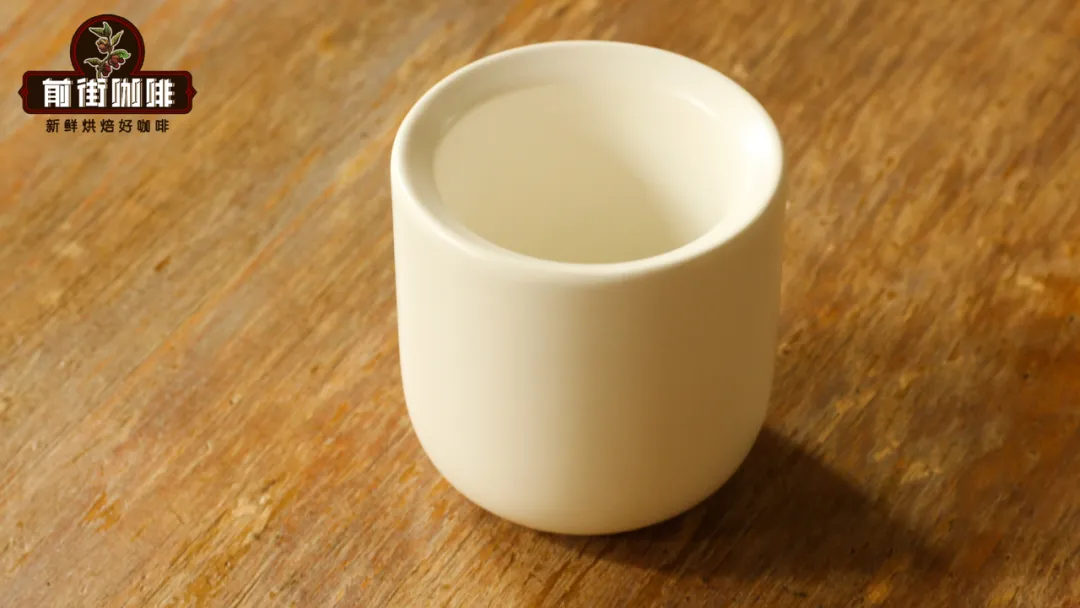
In fact, coffee tasting cups have only recently gained popularity among coffee lovers. These vessels, whether in material selection or shape design, prioritize "enhancing the tasting experience" as their main consideration, clearly distinguishing them from ordinary everyday drinking cups.
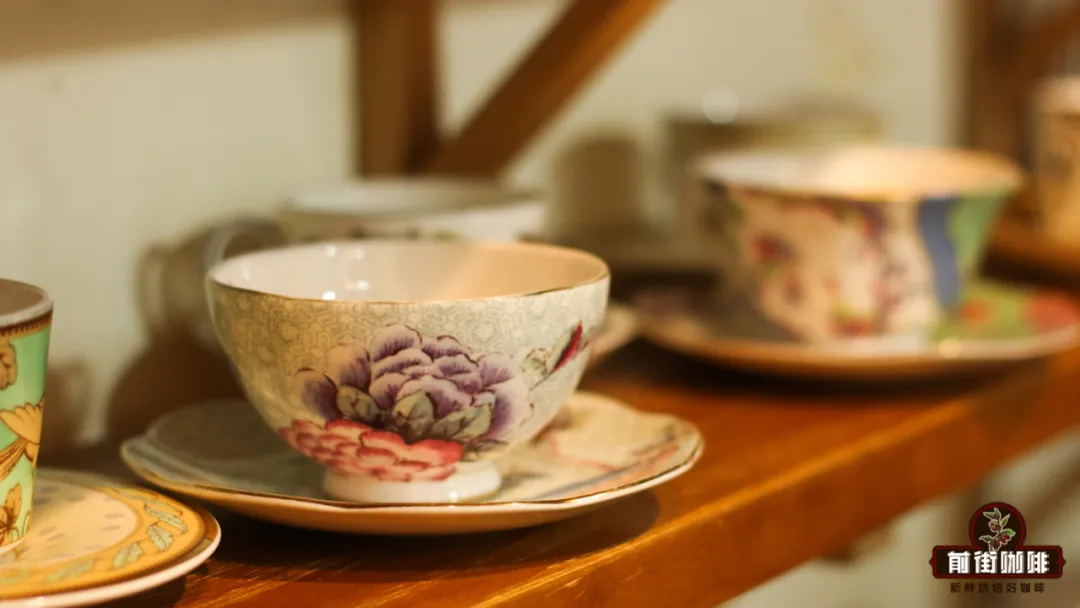
While still a relatively new trend in the coffee field, specialized glasses have long been widely used in wine and other alcoholic beverage tastings. These glasses are custom-designed according to the characteristics of different types of drinks—such as grape varieties and brewing methods—to guide aroma release and balance flavor.
So, returning to the core question: are tasting cups merely expensive “IQ taxes”? If we temporarily set aside price, the answer is actually no. Multiple studies published as early as before 2020 have pointed out that the shape and material of a cup indeed significantly influence our drinking experience. Even non-specialized tasting cups can alter our overall evaluation of the same beverage.
This effect mainly stems from two key elements: the cup’s design shape and the material it’s made from. Both can psychologically and physiologically influence our sensory experience. Simply put, using a different cup may lead you to perceive a completely different flavor structure—even if the coffee itself hasn’t changed.
Take light-roasted coffee, for example. Using one type of cup, you might find the acidity pronounced, sweetness faintly present underneath, with an overall fuller and richer mouthfeel. But switch to a differently designed cup, and you might notice the sweetness becomes more prominent, the acidity gentler, and the mouthfeel feels cleaner and more fluid.
Behind these perceptual differences lie not only material variations, but also the cup’s shape and weight, which play crucial roles. They affect not just the concentration and release speed of aromas, but also subconsciously guide our attention, thereby influencing our interpretation of flavors.

Cup materials—such as ceramic, glass, metal, or even plastic—offer varying tactile sensations and thermal conductivity, all of which affect how we hold the cup and even how the coffee performs in the mouth. For instance, a thick ceramic cup often gives a sense of sturdiness and heaviness, possibly leading you to subconsciously perceive the drink as more robust. In contrast, a transparent, thin glass cup tends to evoke associations with freshness and bright flavor profiles.
Additionally, the cup’s external color and transparency can also subconsciously influence our psychological expectations. Dark-colored cups may lead you to expect a richer, fuller-bodied taste, while transparent or light-colored ones are often linked to crisp, bright aromatic impressions.
During actual tastings, it’s recommended to try using cups of different materials and shapes, observing how the same coffee presents varying flavor profiles. Record the impact each vessel has on acidity, sweetness, body, and aroma release. This will help you build a more comprehensive perception of coffee.
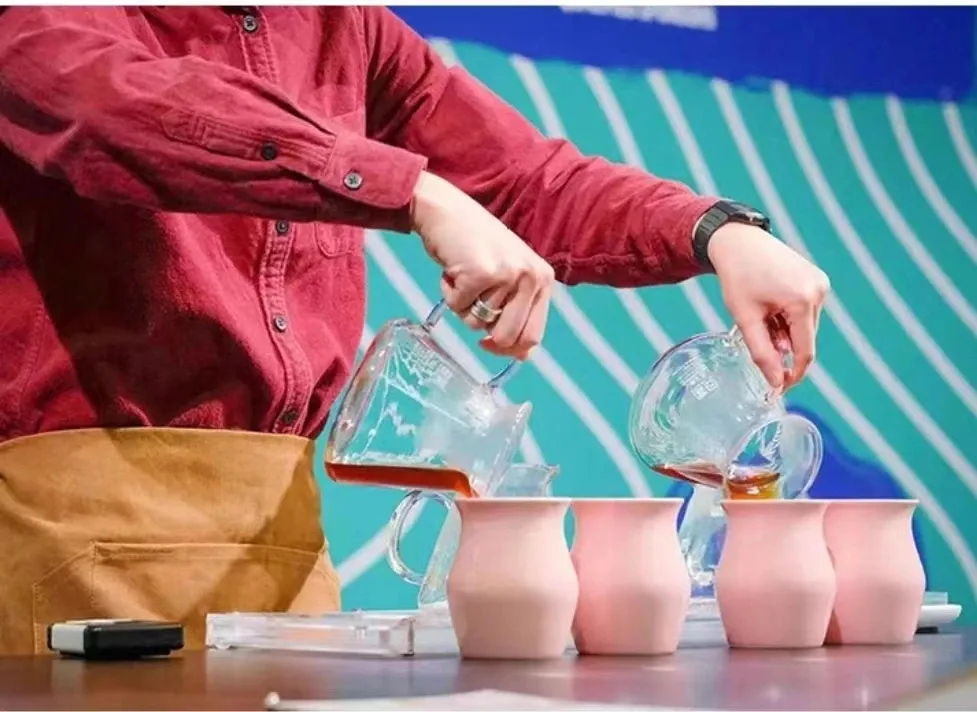
As for aroma cups, their design intent is to concentrate and direct the release of aromas, allowing drinkers to more intently capture the subtle scents in coffee before sipping. Research shows that well-designed aroma cups can effectively gather volatile aromatic molecules, thereby enhancing aroma intensity and clarity. However, this effect is achieved only when choosing ergonomic designs with properly sized openings.
If you wish to further train your flavor perception during daily pour over brewing, consider the following approaches: first, fix your brewing parameters—for example, water temperature around 90–94°C, and a coffee-to-water ratio between 1:15 and 1:16—and record the details of each brew. Next, try sipping at different time points—such as right after pouring or 30 seconds later—to compare changes in aroma and taste.
Furthermore, conducting comparative tastings using aroma cups or cups made from different materials, and recording the differences in sensation each time, is also an effective method for training sensory acuity. Through continuous practice and observation, you’ll be able to more accurately identify layers such as fruity acids, floral notes, caramel, and nuts in coffee, thus enjoying a richer drinking experience.
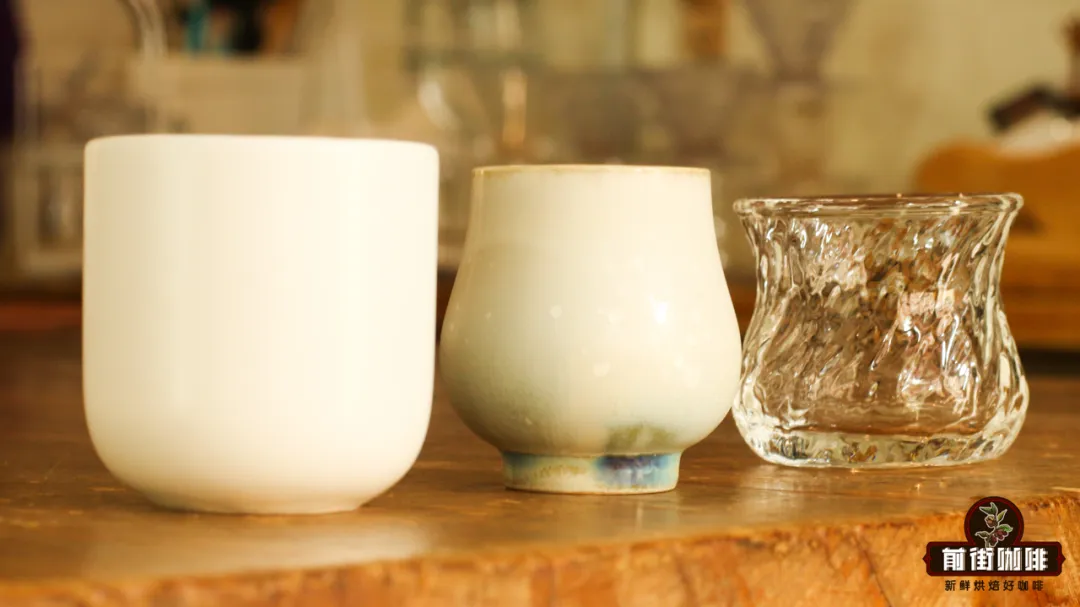
In summary, tasting cups and aroma cups are not useless gimmicks but tools that can assist us in more deeply experiencing coffee under specific circumstances. As long as you understand their design principles and practical applications, and undergo systematic training, every coffee enthusiast can gradually improve their flavor insight—making every pour over a sensory journey full of surprises.



The above content is compiled by CoffeeHunters, a coffee news website.


