








Introduction:Mazagran coffee is hailed as the pioneer of iced coffee. After being introduced from Africa to Europe, it evolved into unique flavors in various countries. This article delves into its historical origins, regional variations, and analyzes how it became a classic after traveling from Africa to Europe. Readers will learn about the details of different versions, including common ingredients and preparation tips, mastering the essence of this classic iced coffee in one read.
Mazagran coffee is a classic iced coffee beverage originating in Africa and later gaining widespread popularity in Europe. Although often referred to as the "first iced coffee," historical records indicate that Dutch sailors had already invented cold brew coffee during the 17th century, and similar drinks were quite common in Japan during the Edo period. Therefore, whether Mazagran was truly the first remains debated. Nonetheless, with its refreshing taste and diverse preparation methods, it has developed unique local versions in Spain, Austria, France, and Portugal.
The coffee’s widespread recognition stems not only from its thirst-quenching and cooling properties but also from its rich and varied flavors as it evolved through cultural exchanges across Europe. Whether it’s the Spanish version enhanced with lemon juice or the French variation paired with alcohol for added flair, Mazagran coffee showcases remarkable adaptability and charm.
So, what exactly is Mazagran coffee? Simply put, it is a cold drink based on ice cubes, water, and espresso. The original version was extremely simple, with almost no additional ingredients. However, as it localized in different countries, it gradually incorporated various ingredients such as syrups, mint leaves, and even alcoholic beverages, leading to a diverse range of ways to enjoy it.
In Spain, Mazagran coffee is often served with freshly squeezed lemon juice and crushed ice to enhance the cool sensation, sometimes garnished with a slice of lemon for both visual freshness and layered flavor. In Austria, some versions include a small amount of liqueur, making the overall taste smoother and more suitable as a post-meal drink.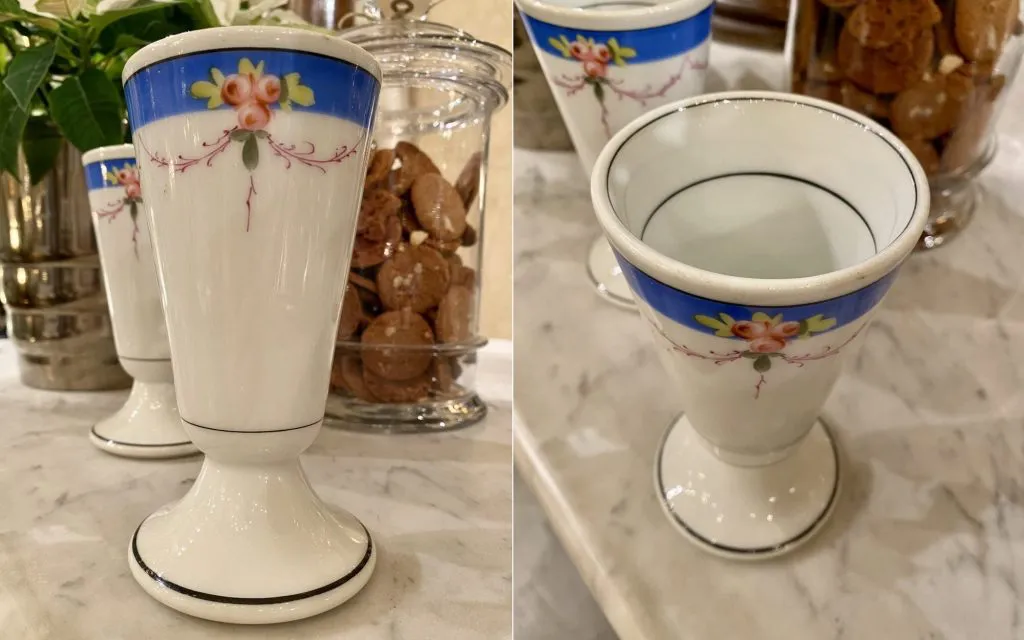
French Mazagran coffee tends to use dark roasted beans to highlight a rich flavor profile, often paired with mint leaves or vanilla syrup to create a uniquely French romantic ambiance. The Portuguese version may add a touch of cinnamon powder or orange peel, bringing out a warm spicy note, making it particularly suitable for autumn and winter.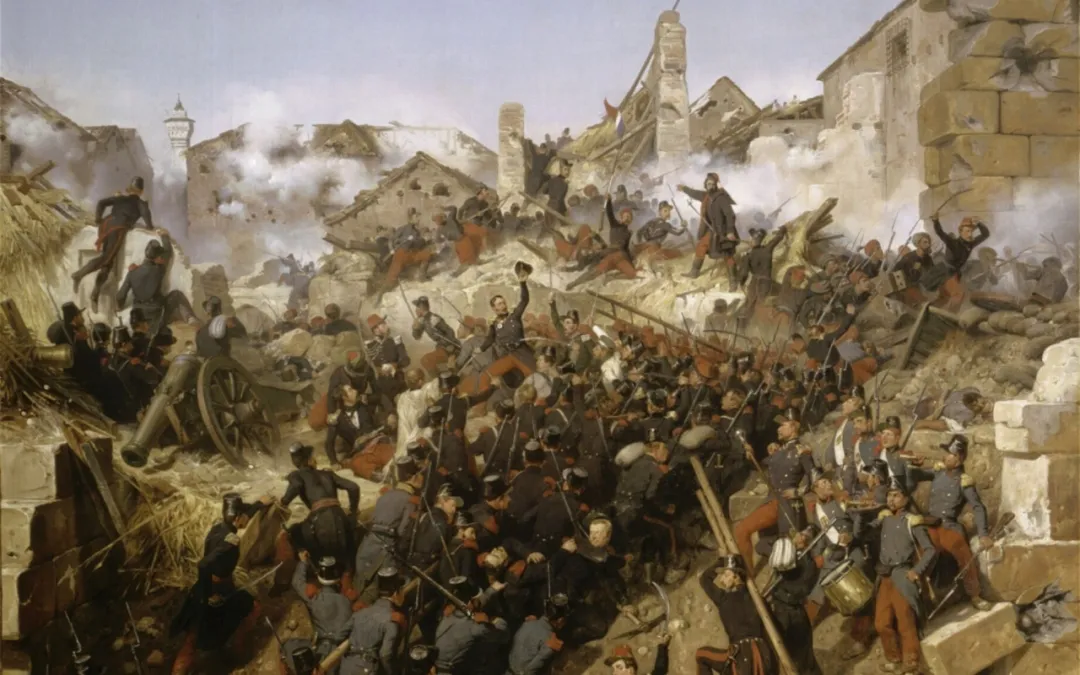
It’s worth noting that while modern versions of Mazagran coffee can be adjusted to personal taste with various ingredients, the original recipe only requires ice cubes, cold water, and high-quality coffee liquid. It is recommended to use medium-fine ground coffee beans, extracted via pour over or filtration methods, then cooled with ice cubes to maintain a clear and uncompromised flavor. For those wanting to try the classic version, starting with this basic recipe and gradually adding favorite ingredients is advised.
In summary, the charm of Mazagran coffee lies in its simple yet versatile nature. From Africa to Europe, it is not just a beverage but a microcosm of cultural fusion. Whether you’re new to coffee or a seasoned enthusiast, you can find your own flavor combination in this timeless iced coffee that transcends time and space.
The above content is compiled by CoffeeHunters, a coffee news website.


