







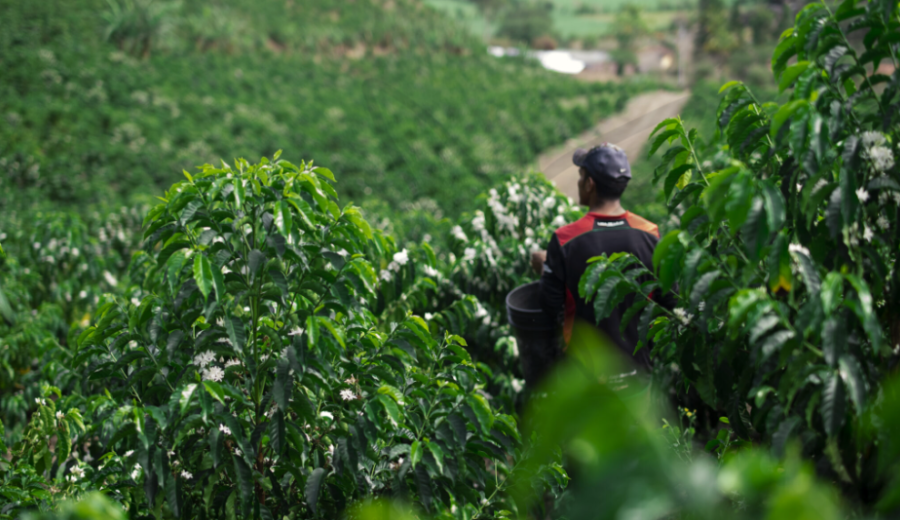
Introduction:Although Ecuador is not the world’s largest coffee-producing country, its unique geography gives rise to exquisite specialty coffees with delicate flavors. This article delves into Chimborazo Province in the central Andes, analyzing its natural conditions ideal for coffee cultivation and highlighting the representative Hacienda Lugmapata estate, offering insight into the coffee potential and characteristics of this equatorial nation.
The Andes Mountains in South America are not only one of the longest mountain ranges in the world but also, due to frequent volcanic activity and mild climate, serve as the cradle for many coffee-producing countries. Although Ecuador’s total coffee output is not as high as that of Brazil or Colombia, its unique geographical and microclimatic conditions have enabled its specialty coffee to gradually emerge on the international stage. The country’s coffee cultivation is mainly concentrated in the central Andean region, distributed across two major zones in the north and south, with Chimborazo Province gaining notable attention in recent years. This article will introduce you to the development background of Ecuador’s coffee-growing regions and focus on the geographical advantages and representative estates of Chimborazo Province.
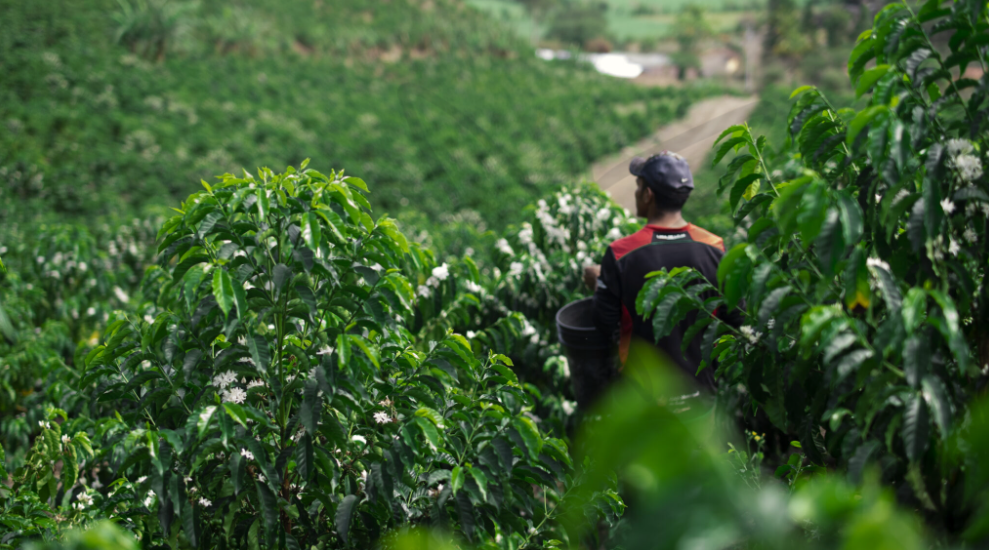
Stretching along the western edge of South America, the Andes are not only one of the longest mountain ranges in the world but also one of the highest, featuring numerous active volcanoes and abundant water resources. This region mostly experiences tropical rainforest and savanna climates, with plentiful rainfall and extremely fertile soil enriched by volcanic ash deposits—providing an ideal environment for coffee trees. For this reason, several South American countries, including Brazil, Colombia, and Ecuador, have become globally significant coffee producers.
Although Ecuador’s coffee industry started relatively late, its development potential is not to be underestimated. Coffee was introduced to the country as early as the 19th century, but at that time, cacao was the main cash crop, and coffee did not receive much attention. It wasn’t until the early 20th century, when cacao trees were ravaged by disease, that farmers gradually turned to coffee cultivation, gradually making it one of the important agricultural products. However, the coffee price crisis of the 1990s severely impacted the local industry. The government shifted its focus to developing the petroleum industry, leading to a decline in coffee cultivation area, which only began to recover gradually in the past decade.
Ecuador means “equator” in Spanish, and its geography straddles the equator, featuring diverse terrains such as coasts, highlands, and rainforests. The country can be divided into three major regions: the western coastal area, the central mountainous region, and the eastern Amazon region. Among them, the central mountainous region lies along the main body of the Andes, composed of the Eastern and Western Cordilleras, predominantly plateau terrain with an average elevation between 2,500 and 3,000 meters. Its climate is mostly tropical savanna and subtropical forest types, nourished by numerous volcanoes and glacial meltwater, making it a golden zone for coffee cultivation.
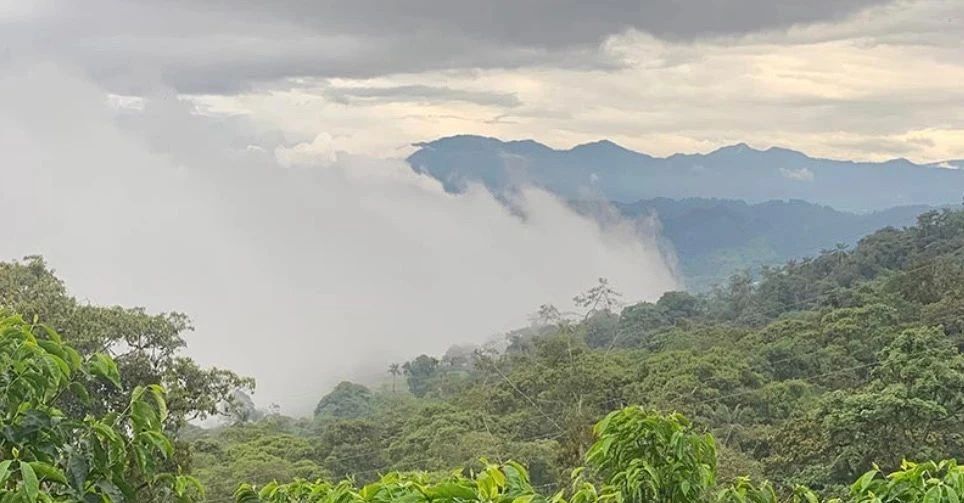
Ecuador’s specialty coffee-growing regions are primarily concentrated in the central Andes and can be broadly divided into two areas: the northern region, mainly consisting of Carchi, Imbabura, and Pichincha provinces, and the southern region, encompassing Loja, Azuay, and Chimborazo provinces. While Pichincha and Loja provinces were among the earlier renowned producing areas, in recent years, Chimborazo Province has gained increasing international attention due to its distinctive microclimate and high-quality coffee.
Located in central Ecuador, about 150 kilometers from the capital Quito, Chimborazo Province derives its name from the famous Chimborazo Volcano within its borders. This dormant volcano stands at an elevation of 6,272 meters, making it the highest peak in Ecuador, with snow-covered summits year-round, multiple volcanic craters, and spectacular glacier landscapes. The province’s altitude and geographical environment provide excellent conditions for coffee growing. Local coffee farms are mostly situated at elevations between 1,650 and 2,000 meters, where volcanic soil rich in minerals, combined with glacial meltwater and abundant sunlight, yields coffee with delicate flavors and rich layers of taste.

Among the many coffee estates in Chimborazo Province, Hacienda Lugmapata is one of the most representative examples. Managed by the Merino Dávalos family, it is located in the Paractanga area of the province. Although the estate only began coffee cultivation in 2012, it has developed rapidly and now has over 50,000 coffee trees of diverse varieties, including Bourbon, Sidra, Typica Mejorado, and Pache, each showcasing unique flavor profiles.
Hacienda Lugmapata has not only strived for continuous improvement in cultivation techniques but also won the Ecuador COE (Cup of Excellence) championship in 2022, proving that its coffee quality has reached international standards. In addition to meticulous management of its own farms, the estate is actively involved in local community development. Through technical guidance and resource sharing, it helps surrounding small-scale farmers enhance coffee quality and ensures unified purchasing and processing, guaranteeing that every stage—from green beans to roasting—can realize its full potential.
The above content is compiled by CoffeeHunters, a coffee news website.


