








Introduction:Although the Kenyan Parliament voted to remove all 65 controversial clauses from the 2024 Finance Bill at the end of July in an attempt to ease public anger, the wave of protests continues unabated. From police–public clashes triggered by tax hikes to cabinet reshuffles that failed to placate outrage, unrest has gripped many parts of Kenya, severely impacting the local tourism and coffee industries. This article delves into the underlying causes of the political turmoil and explores its real impact on Kenya’s coffee exports and tourism sector.
On July 25, the Kenyan Parliament unanimously voted to revoke all 65 clauses of the 2024 Finance Bill, responding to President Ruto’s earlier reservations about the bill’s content. However, this seemingly conciliatory decision still failed to quell the civil unrest that began in June due to the tax increase policy. The protests spread from the capital Nairobi to cities including Mombasa, Nakuru, Kericho, Kisii, and Meru, with the situation remaining unresolved to this day.
Looking back at the origins of the incident, the Kenyan National Assembly passed the finance bill on June 25, planning to raise the value-added tax (VAT) uniformly to 16% on a variety of everyday consumer items—including bread, sugar transportation, mobile communications, financial transactions, and foreign currency exchange—in order to raise funds to repay massive sovereign debts. However, this move immediately sparked strong public dissatisfaction, especially against the backdrop of already high living costs, where further tax increases were seen as adding insult to injury.

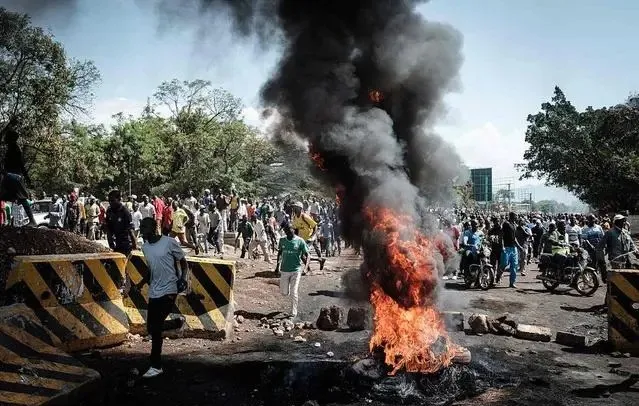
The protests initially took the form of peaceful gatherings but quickly escalated into violent clashes as police intervened to disperse them. Protesters not only stormed the parliament building but also confronted law enforcement across the country. Faced with escalating social tensions, President Ruto first announced that he would not sign the finance bill and swiftly dissolved the then–cabinet, replacing all ministers including the Chief Cabinet Secretary and the Attorney General.
However, among the new cabinet nominees subsequently put forward by Ruto, as many as half were former ministers who had been dismissed, along with four politicians from the opposition party, the Orange Democratic Movement (ODM). This move not only failed to appease the public but led protesters to believe the government had no genuine intention for reform, further intensifying the conflict. Grievances quickly expanded beyond opposition to the tax system to include multiple political demands such as calls for the president’s resignation, an end to police brutality, and comprehensive anti–corruption measures.
Notably, within this wave of protests, young people and unemployed youth have emerged as the main driving force. Kenya has long faced high unemployment, and many young people, seeing no future, have taken to the streets to voice their discontent. Additionally, media workers held a rally on July 24 to protest police attacks on journalists covering anti–government demonstrations. Dozens of media personnel were reportedly injured while performing their duties. Shortly afterward, Kenyan transport workers joined the strike on July 26 in dissatisfaction with illegal road toll policies.
The ongoing turmoil has had a significant impact on Kenya’s economy, with the tourism and coffee industries being the most directly affected. July is usually the peak tourist season for witnessing the East African Great Migration, but protests and sporadic violence in various locations have deterred many tourists, especially international visitors, for whom deteriorating security has become a travel concern. The Chinese Embassy in Kenya has also issued a travel advisory, urging citizens to pay attention to safety.
In terms of the coffee industry, Kenya, as a major African coffee exporter, is globally acclaimed for its unique berry notes and bright acidity in green beans. However, the recent protests and instability have increased safety risks in some coffee–growing regions, affecting harvesting and processing procedures. Many coffee farmers and processing plant workers have chosen to join the protests, leading to labor shortages, green bean backlogs, and logistics delays in some small–scale processing facilities. These issues have slowed export schedules, impacting revenues and international orders.
In fact, the Kenyan government’s past series of reforms in the coffee industry—including the suspension of operations and large–scale layoffs at several major processing plants, including internationally renowned roaster NKG—due to licensing issues, had already dealt a significant blow to the industry chain. Now, coupled with political instability, not only do international buyers have concerns about the stability of Kenya’s coffee supply, but it also affects the country’s competitiveness in the global specialty coffee market.
Overall, the current political and social crisis facing Kenya is not only difficult to resolve in the short term but also has far–reaching impacts on the key industries that the country relies on for survival. Coffee enthusiasts and industry insiders need to continue monitoring local developments to cope with potential supply chain changes and quality fluctuations. Relevant organizations will continue to track the situation in Kenyan coffee–growing regions, providing the latest information for consumers who care about coffee origins.
The above content is compiled by CoffeeHunters, a coffee news website.


