







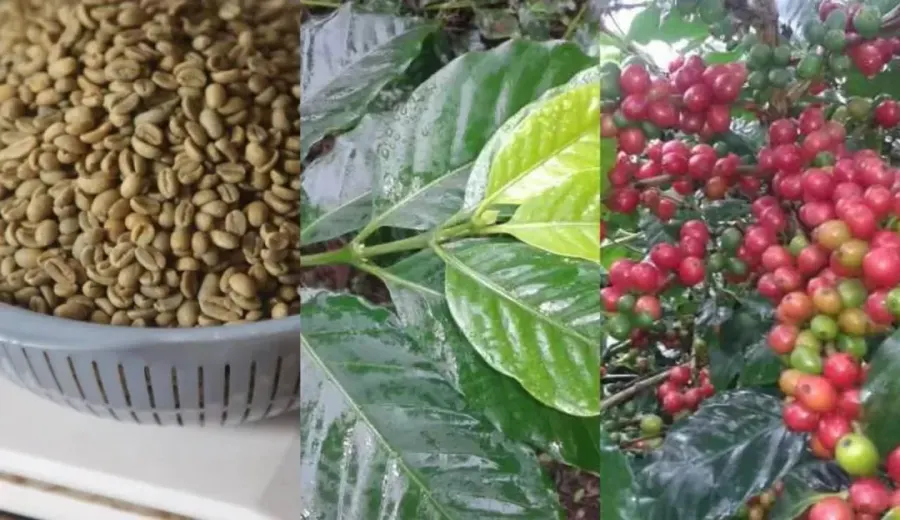
Introduction:Want to understand the evolutionary background and real-world performance of common coffee varieties in the Americas? This article takes you on a deep dive from Caturra and Catuai to Catimor, exploring their origins, plant characteristics, growing environment requirements, and cupping flavor profiles. It also provides practical cultivation and tasting references to help you gain a more comprehensive understanding of these important varieties that have shaped the global coffee market.
In the evolution of coffee varieties, transplantation, mutation, and human hybridization have played key roles. Many popular cultivars available today can be traced back to the two original lineages: Typica and Bourbon. This article focuses on three major varieties in the Americas—Caturra, Catuai, and Catimor—detailing their historical roots, plant appearance, suitable planting altitudes and climate conditions, as well as their most representative cup flavors. This multi-angle exploration helps enthusiasts better understand these classic varieties.
The name Caturra originates from the Guaraní language, meaning “small,” which reflects its physical characteristics. As a natural single-gene mutation of Bourbon, the overall plant of Caturra is noticeably shorter than Bourbon, but it has a denser branch distribution and tightly arranged leaves, allowing more fruit-bearing branches per unit area. Its coffee cherries are predominantly red, with occasional yellow fruits. The beans are of standard oval shape with uniform size. Due to its short stature, it is convenient for harvesting and high-density planting, making it well-suited to high-altitude regions, though its dense growth also makes it more susceptible to pests and diseases.
This variety was first discovered in the early 20th century in a botanical garden in Minas Gerais, Brazil, and later studied in depth by the Agricultural Research Institute of São Paulo (IAC). Although Brazil’s local environment is not ideal for Caturra, its advantages in high yield and tolerance to dense planting led to its introduction to Guatemala in the 1940s, followed by gradual spread to Costa Rica, Colombia, Honduras, and Panama. Today, it has become one of the backbone varieties in the Central American coffee belt and is often used as a benchmark reference for testing new varieties.
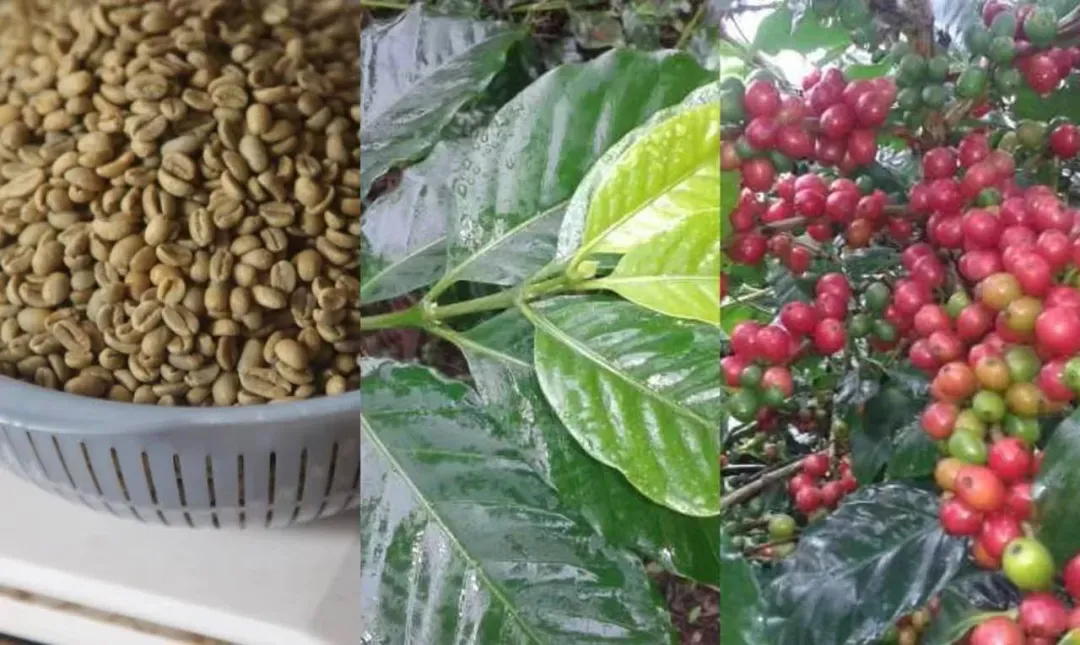
Another noteworthy variety is Catuai, whose name means “very good” in Guaraní, originally designated as H-2077. It was developed through artificial hybridization by Brazil’s IAC, crossing Mundo Novo with Yellow Caturra, where Mundo Novo itself is a natural hybrid offspring of Bourbon and Typica. As a result, Catuai combines multiple desirable traits: the plant is similarly short with dense branching, making it not only easy to manage but also highly productive. Its leaves are green with slightly curved edges, and the fruits are mostly red, densely arranged, with medium-sized oval beans that are slightly smaller than those of Caturra. Catuai is suited for high-altitude cultivation, generally demonstrates good resilience, but still has limited resistance to leaf rust.
After completing the selection process in Brazil, this variety was officially promoted and gradually expanded to other Central American countries such as Honduras, Guatemala, and Costa Rica. In actual cuppings, sun-dried Catuai often exhibits pronounced fruity aromas, such as sweet layers of peach, raisin, and orange, paired with caramel sweetness and a refreshing green tea note, resulting in an overall clear and clean flavor profile.
As for Catimor, it is another highly representative group of varieties. It is not a single variety but rather an F1 population resulting from the hybridization of Timor (a natural cross between Arabica and Robusta) and Caturra, thus possessing a diverse genetic background. Catimor plants are generally shorter, with many branches and densely packed fruits. The coffee beans are slightly elongated, with slightly upturned tips, thick and plump bodies, and green-tipped leaves. Due to its Robusta lineage, Catimor has certain resistance to leaf rust, making it suitable for planting at relatively low altitudes with a wide range of adaptability, though care must be taken to guard against fungal diseases such as Ojo de Gallo (eye of the rooster).
The creation of Catimor is closely linked to the global coffee leaf rust pandemic in the mid-20th century. To combat this disaster, Portugal’s Coffee Leaf Rust Research Center (CIFC) successfully developed this variety in the 1950s and gradually promoted it across producing countries for selection and breeding. Currently, various regions including Yunnan in China, Honduras, El Salvador, and Indonesia (where it is locally called Ateng) widely cultivate Catimor or its derivative strains.
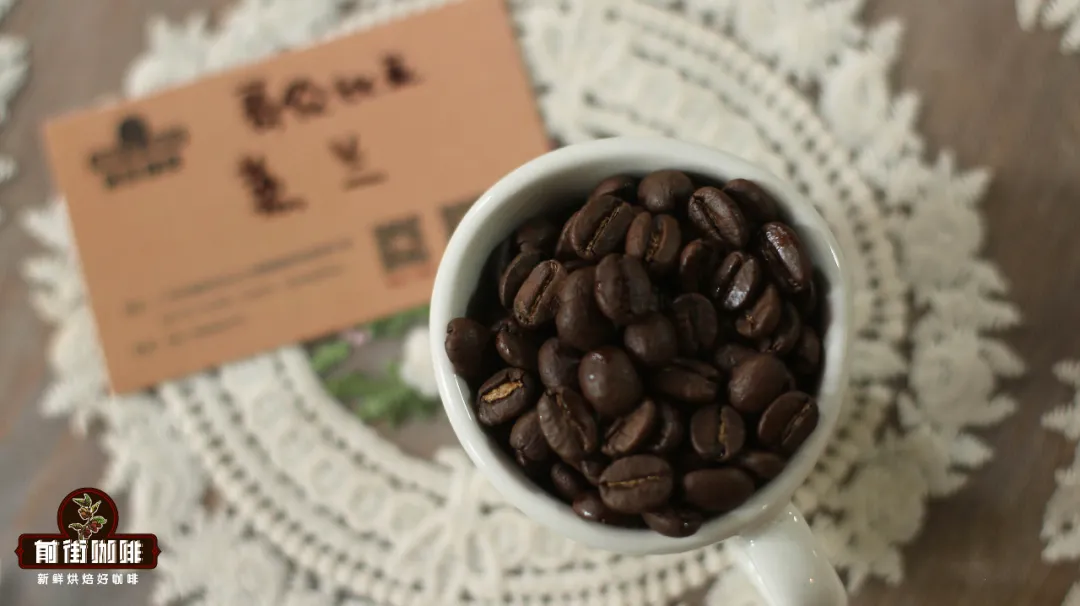
In summary, Caturra, Catuai, and Catimor each represent different paths in the evolution of American coffee varieties: from natural mutations and artificial hybrids to the development of disease-resistant strains. These varieties not only vary in yield, adaptability, and disease resistance, but also display rich and diverse characteristics in cupping flavors. Whether you are a coffee grower, trader, or simply a coffee enthusiast, gaining an in-depth understanding of the background and traits of these varieties can help you make more accurate decisions when selecting beans, brewing, and evaluating.
The above content is compiled by CoffeeHunters, a coffee news website.


