








Introduction:Bought too many coffee beans and can’t finish them? Their flavors fade over time? Freezing seems like a good way to extend their shelf life—but does it really work? This article dives deep into the correct way to freeze coffee beans, including how to seal them properly to avoid flavor contamination, prevent condensation from damaging the beans, and debunk common storage myths, helping you make the best preservation decision.
Have you stocked up on too many coffee beans at home but find you can’t finish them before their expiration date? The aromatic compounds in coffee beans dissipate over time along with carbon dioxide. Once the aroma is lost, brewed coffee not only tastes bland but also loses its complexity, leaving only the basic flavors of acidity, sweetness, bitterness, and astringency. Many coffee enthusiasts try freezing their beans to extend their peak flavor period, hoping the low temperature will slow down the evaporation of aromas. But is this method really reliable?
The answer is: freezing can indeed slow down the loss of aroma, but it’s not perfect. While low temperatures can temporarily “freeze” the release of aromas, improper storage methods—such as insufficient sealing or mishandling after freezing—can actually cause the beans to absorb odors or suffer damage from condensation. This article will thoroughly break down every aspect of freezing coffee beans, so you can master the key techniques and make the right judgment.

Most people buy coffee beans in larger quantities due to promotions or curiosity, but their actual consumption rate can’t keep up, leaving some beans unconsumed before their shelf life ends. If left unchecked, the aromatic compounds and carbon dioxide in the coffee will gradually escape, resulting in weak aroma and monotonous taste in the brewed coffee, leaving only the basic flavors from water-soluble components. Therefore, when you find yourself with more coffee beans than you can consume regularly, finding a proper storage method becomes especially important.
The most common preservation strategy is using airtight sealing to block oxygen, thereby slowing oxidation and retaining more flavor. However, relying solely on sealing is not enough to fully protect the quality of coffee beans. Coffee beans are also sensitive to light, high temperatures, and humidity. Therefore, in addition to proper sealing, the storage environment should be cool, dry, and away from light to effectively extend the coffee’s shelf life.
Recently, more and more coffee enthusiasts have started trying an unconventional preservation method—freezing coffee beans. This method is believed to more effectively “lock in” the original flavors of coffee, sparking curiosity and imitation. But here’s the question: does freezing really work as rumored? And what risks are we easily overlooking?
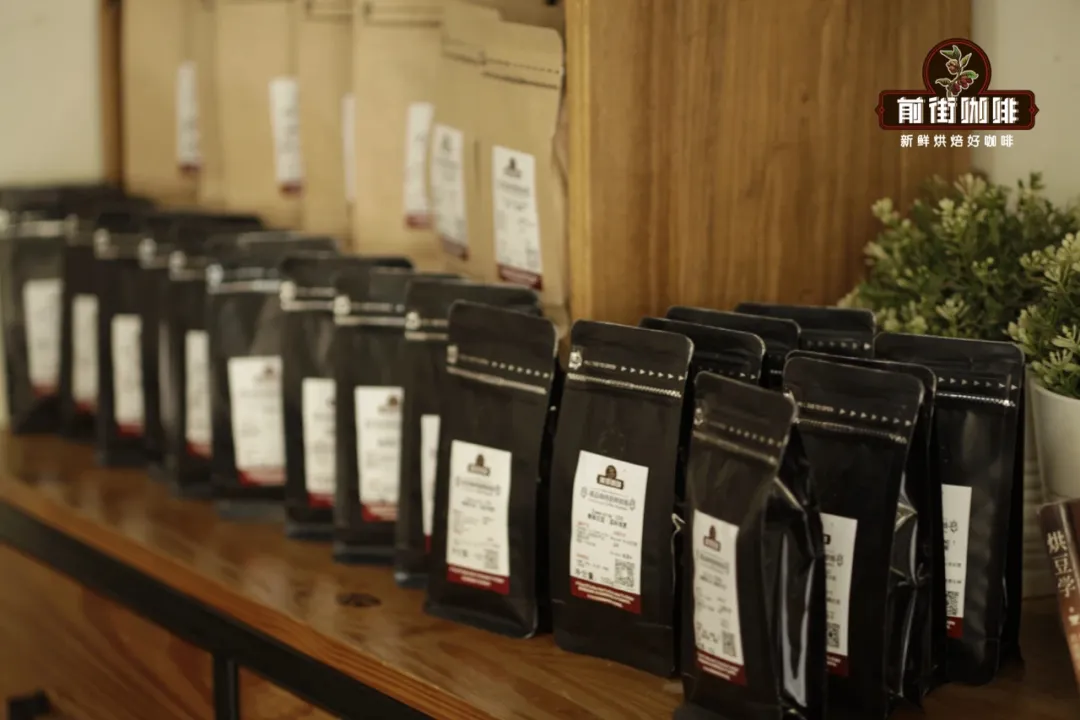
Simply put, the answer is yes. In extremely low temperatures, the activity of aromatic molecules slows down significantly, thereby delaying the loss of aroma. However, this doesn’t mean freezing can completely “freeze” all the flavors of coffee—it can only slow down the rate of aroma loss to some extent. More importantly, freezing involves a series of detailed steps, and improper handling can cause the beans to absorb odors or suffer quality degradation due to moisture issues. Next, we’ll break down several key aspects of freezing coffee beans that you shouldn’t overlook.
1. Sealing: The Key to Blocking Air and Odors
The first and most crucial step in freezing coffee beans is ensuring their seal. Most home refrigerators store a variety of foods, and if not properly sealed, coffee beans won’t just fail to retain their aroma—they may also absorb odors from surrounding food, resulting in so-called “fridge smells” that severely impact the coffee’s flavor. Therefore, before placing coffee beans in the freezer, be sure to use professional airtight containers, vacuum bags, or multi-layer aluminum foil packaging to completely block external air and odors.
2. Condensation: The Biggest Enemy After Freezing
No matter the ingredient, when it’s taken out of a cold frozen environment and placed at room temperature, condensation quickly forms on its surface due to the temperature difference—and coffee beans are no exception.Once this condensation adheres to the surface of the coffee beans, it can seep into the beans, damaging their internal structure and affecting roast characteristics and grinding performance.Therefore, after taking coffee beans out of the freezer, never open the packaging immediately. It’s recommended to let them sit at room temperature for about 10 to 15 minutes to return to ambient temperature, and only proceed with the next steps once the surface is no longer producing moisture.
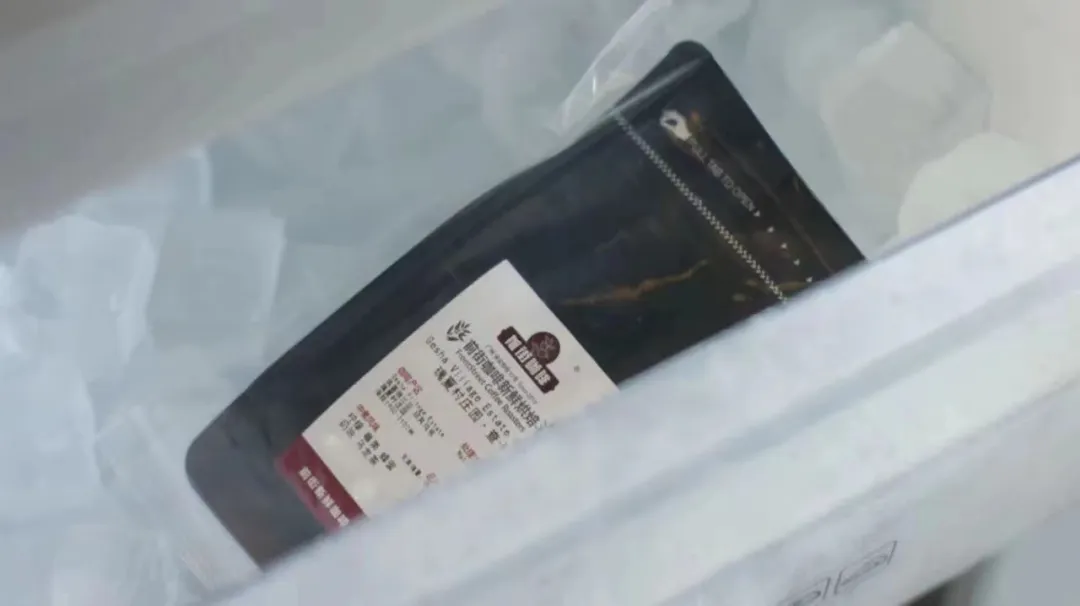
In summary, freezing coffee beans can indeed extend their flavor retention to some extent, but only if you master the correct sealing techniques and are aware of the potential hazards of condensation. If you often buy coffee beans in large quantities but can’t finish them in a short time, consider freezing some of them—but be sure to follow the above guidelines carefully to truly preserve the essence of the coffee’s flavor.
The above content is compiled by CoffeeHunters, a coffee news website.


