







Introduction:The World Health Organization has recently classified the outbreak of the African monkeypox variant as a "Public Health Emergency of International Concern." The epicenter, the Democratic Republic of the Congo, has seen over 14,000 infections, with the outbreak spreading to neighboring countries. East Africa, as a globally significant coffee-producing region, may see its smallholder farming model and cross-border trade activities disrupted by the epidemic, potentially leading to declines in both coffee yield and quality. This article provides an in-depth analysis of the potential impact of the outbreak on the coffee supply chain, along with practical observation points.
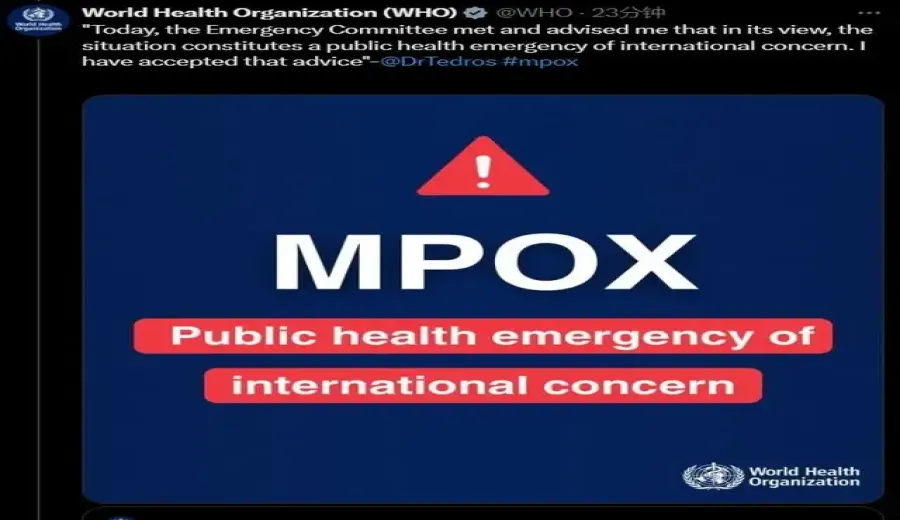
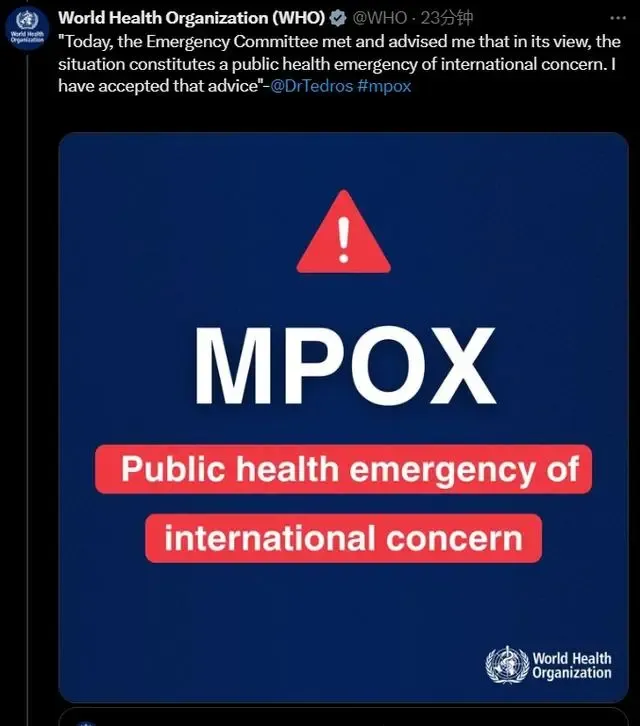
The World Health Organization (WHO) officially declared on August 15 that the rapidly spreading monkeypox variant outbreak in Africa has reached the level of a "Public Health Emergency of International Concern" — the most severe global health alert under the organization’s International Health Regulations. The outbreak is centered in the Democratic Republic of the Congo, with more than 14,000 confirmed cases reported so far this year and 524 deaths, marking a deeply concerning situation.
Notably, a new monkeypox variant has emerged during this outbreak, spreading rapidly in eastern DRC and reaching some neighboring countries that had never previously reported cases. Experts are concerned that this variant could further propagate across Africa and even globally. Compared to the 2022 global monkeypox outbreak, this variant shows a significantly higher fatality rate, posing a major threat to both public health and socio-economic activities.
According to statistics from the Africa Centres for Disease Control and Prevention, 16 countries and regions in Africa have now reported over 17,500 suspected and confirmed monkeypox cases, the vast majority concentrated in the Democratic Republic of the Congo. This year’s case count has surged by 160% compared to 2023, indicating the outbreak is worsening. Since the first human case of monkeypox was discovered in the DRC in 1970, the virus has primarily circulated in Central and West Africa, transmitted through close human contact, as well as contact with infected animals or contaminated objects.
Looking back at 2022, the monkeypox outbreak spread to over 100 countries and regions worldwide. At that time, the WHO declared a Public Health Emergency of International Concern in July, only lifting the alert in May 2023. However, the current situation is different: the virus has now evolved into two main genetic lineages, and the lineage associated with this round of outbreaks carries a higher fatality rate. The 2022 outbreak resulted in about 200 deaths, with a relatively low mortality rate; in contrast, this round has already seen over 500 deaths, with a mortality rate approaching 3% — roughly 15 times higher than in 2022. Women and children under 15, in particular, face higher risks of death.
Although the current monkeypox outbreak is mainly concentrated in Central and West Africa, it has begun to spread to some East African countries, such as Kenya, where confirmed cases have already been reported. East Africa is one of the world’s key coffee-producing regions, and the impact of the epidemic on its coffee industry should not be underestimated.
In most East African coffee-producing countries, smallholder farmers are the primary production units, with many coffee trees planted around homes. If farmers contract monkeypox, they typically undergo a 6 to 13-day incubation and onset period, during which their coffee farms are likely to be left unattended, leading to reduced yields and lower quality.Especially during critical periods of harvesting and post-harvest processing, labor shortages will directly affect the ripeness of coffee beans and the effectiveness of processing.

Additionally, East African coffee has long attracted international buyers and coffee scouts to visit the region in search of high-quality beans. However, the health risks posed by the epidemic may deter them, thereby affecting cross-border trade activities. Local coffee processing facilities may also face issues such as worker absenteeism and logistics disruptions, putting pressure on the entire supply chain. From planting and harvesting, to processing and exporting, every stage of the process may be subject to uncertainties due to the outbreak, ultimately impacting market supply and the flavor profile of the coffee.
Industry insiders advise that monitoring the impact of the outbreak on East African coffee-growing regions can help prepare for potential supply fluctuations and support future procurement and flavor evaluations.
The above content is compiled by CoffeeHunters, a coffee news website.


