







Introduction:Learn about three classic Arabica coffee varieties—Typica, Bourbon, and Geisha—from their origins, plant characteristics, ideal growing environments to global cultivation distribution. Gain an in-depth understanding of these key varieties that shape the flavors of specialty coffee worldwide. Through analyzing their traits, this guide helps you better select beans and understand flavor profiles in pour over brewing, making it an essential read for both coffee beginners and advanced enthusiasts.
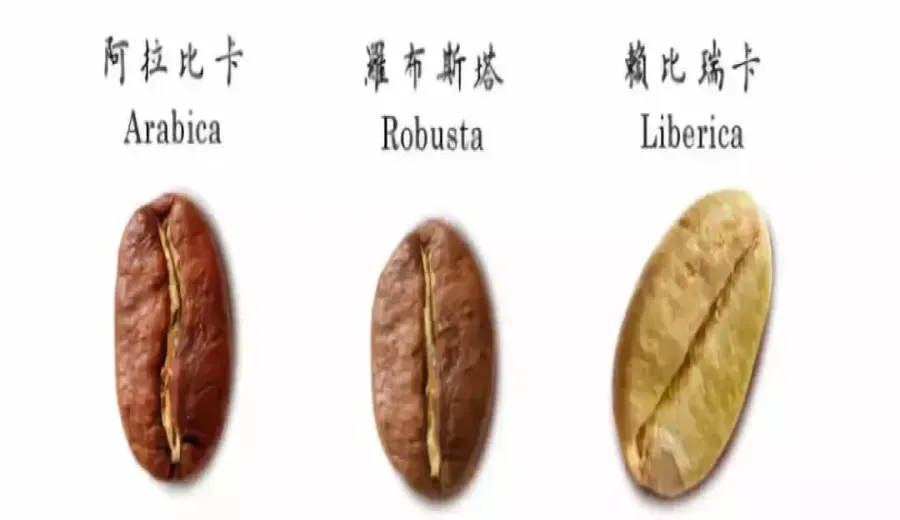
Among the vast array of coffee varieties, Arabica is undoubtedly the cornerstone of specialty coffee. Although global coffee beans can generally be divided into three main categories—Arabica, Robusta, and Liberica—it is the Arabica family that truly supports the high-quality coffee market. Within this extensive variety family, Typica, Bourbon, and Geisha are not only historic classics but also the genetic sources of many modern varieties. This article will take you through these three representative Arabica varieties, exploring their plant characteristics, historical development, and current cultivation around the world, helping you gain a more comprehensive understanding of where the flavors in your cup come from.
First, let’s talk about Typica, a variety whose name comes from the Latin word “Typica,” meaning “typical” or “standard.” Typica plants are usually tall, reaching up to 5 meters in height, with noticeably longer internodes between fruits, giving them a highly distinctive overall appearance. Their top leaves exhibit a unique bronze color, with smooth leaf surfaces and indistinctly wavy leaf edges. The coffee cherries they produce are mostly red, with relatively large beans that are either pointed oval or slender in shape. However, Typica has a low yield, requires certain altitude conditions, and is fragile during its growth period, being susceptible to leaf rust and pest attacks, which is why it has gradually been replaced by higher-yield or disease-resistant varieties in modern cultivation.
There was a time when Typica was the main cultivated variety in many parts of South and Central America, especially widely planted in the early to mid-20th century. But as the coffee industry pursued higher efficiency and disease resistance, Typica gradually stepped out of the spotlight. Currently, it is mainly found in Peru, Jamaica, Papua New Guinea, Yunnan in China, and the Kona region of Hawaii. Take Jamaican Blue Mountain as an example—this classic Typica variety is typically processed using the washed method, and when brewed, it exhibits ultimate balance, with fresh aromas, a rich mouthfeel, a long-lasting aftertaste, and a distinct sweetness, making it a dream coffee for many enthusiasts.
Next is Bourbon, a variety whose history dates back to the early 17th century, when French missionaries brought coffee seeds from Yemen to Réunion Island in southeastern Africa. It’s worth noting that before 1789, Réunion Island was called “Île Bourbon (Le Bourbon),” which is also the origin of the variety’s name. Bourbon plants are also tall, but compared to Typica, they have more branches, thicker main stems and lateral branches, and shorter internodes between fruits, resulting in generally higher yields per plant.
Bourbon leaves are broader, with distinctly wavy leaf edges, and the top leaves are often green. The coffee cherries they produce are rounder in shape, and upon ripening, their colors can vary—possibly red, orange, or even yellow. The beans are relatively small and more rounded. Bourbon also prefers high-altitude environments and does not have high resistance to leaf rust or pests, but it offers better overall productivity and stability compared to Typica, making it an important cultivated variety in many regions. In the mid-19th century, Bourbon spread to the Americas through missionary activities, first taking root in Brazil, and then gradually expanding throughout South and Central America. Today, El Salvador, Honduras, and Brazil continue to grow this variety, and it serves as an important base for many high-quality washed and honey-processed beans. For example, a well-known coffee brand’s SHB honey-processed beans are based on Bourbon varieties, featuring strong chocolate and nutty notes, with a gentle and layered mouthfeel.
Finally, let’s look at Geisha, which has caused a sensation in the specialty coffee world in recent years. Geisha was first discovered in 1931 in the Kaffa forest in southern Ethiopia, near a mountain called Gesha, which is also the origin of the variety’s name. Due to inconsistent transliteration standards from the local language into English, it was initially recorded as “Geisha,” and the name has stuck ever since. Geisha is a tall variety with wide spacing between branches, slender main stems and twigs, smooth and elongated leaves, and both coffee cherries and beans that are similarly slender.
The Geisha seeds collected at the time were sent to the Lyamungu Research Station in Tanzania and the Tropical Agricultural Research and Higher Education Center (CATIE) in Costa Rica, where they were labeled as “T2722.” This variety, due to its high tolerance to leaf rust, was later introduced to Panama. Around 2004, Boquete’s Hacienda La Esmeralda used it to compete in the “Best of Panama (BOP)” competition, unexpectedly standing out with extremely high scores, and setting the highest auction price at the time, instantly making Geisha famous. Since then, starting from Panama, Geisha has gradually expanded to other high-altitude regions such as Colombia, Costa Rica, and Guatemala.
It’s worth noting that the “Geisha” varieties currently on the market are not all identical. For example, Gori Gesha and Gesha 1931 are strains rediscovered or cultivated in different regions of Ethiopia later on. Among them, Gesha 1931 is believed to be genetically close to the Geisha popular in Panama, discovered by Adam and Rachel Overton in the native forest of Geisha and confirmed through genetic comparison. They even planted it at their Gesha Village estate in the Bench Maji region, dedicated to restoring the purest Geisha flavor. Gori Gesha, on the other hand, was found in the Gori forest, about 12 kilometers from the estate, and also offers unique aromatic expressions, becoming an important member of the Geisha family.
The above content is compiled by CoffeeHunters, a coffee news website.


