







Introduction:The Brunca region in southern Costa Rica was once dominated by commercial-grade beans, but in recent years, with the advantages of high altitude and diverse microclimates, its specialty coffee potential has gradually emerged. In particular, the Geisha variety from La Torre Estate, which scored 92 points in the COE competition, has made a notable debut. This article will delve into the natural conditions and evolution of the Brunca region, while focusing on La Torre Estate’s varietal selection, altitude advantages, and processing techniques, to help you understand the unique charm of this emerging specialty coffee hub.
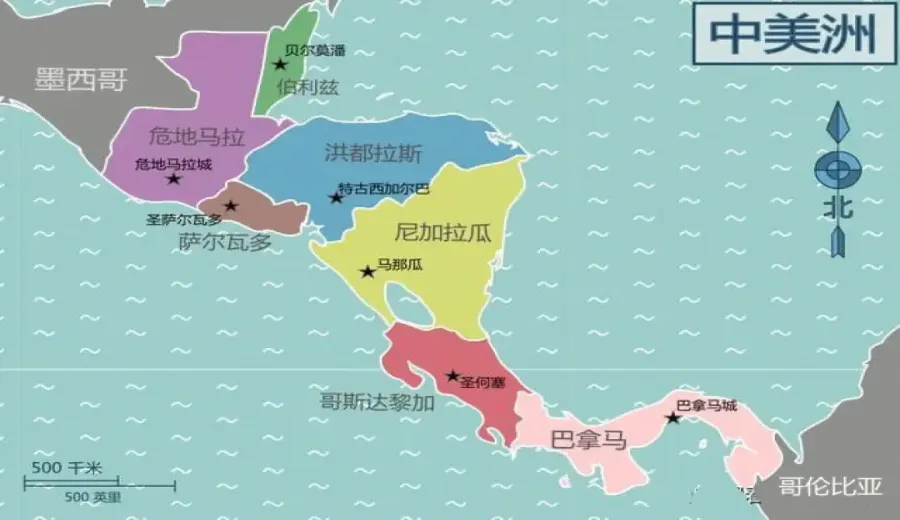
Central America spans the region south of the United States and north of Colombia, characterized by plateaus, mountains, and dense forests, along with a volcanic belt stretching over 1,300 kilometers. The fertile soil accumulated by these volcanoes over time has created an environment highly suitable for agriculture, with coffee being one of the key economic crops. Within this region, seven countries—including Costa Rica—produce coffee, some of which are globally recognized specialty coffee regions.
Costa Rica is not only the earliest country in Central America to introduce coffee cultivation, but its coffee was also favored by British nobility and hailed as the “Golden Bean.” As early as the late 18th century, due to recognizing the commercial value of coffee, local farmers began experimenting with this crop. After gaining independence from Spanish rule, the newly formed government actively encouraged coffee planting, offering free seeds and tax exemptions, leading to rapid expansion of the coffee industry and making it a crucial pillar of export economy.
The geography of Costa Rica is dominated by mountains and plateaus, with the Cordillera mountain range running through the center and numerous volcanic terrains. Its climate is primarily tropical rainforest and tropical savanna. The rainy season generally falls between April and December, while the dry season spans from December to the following April. Such rainfall and temperature distributions provide ideal growing conditions for coffee trees. The majority of the country’s major coffee-growing regions are located along this central mountainous belt.
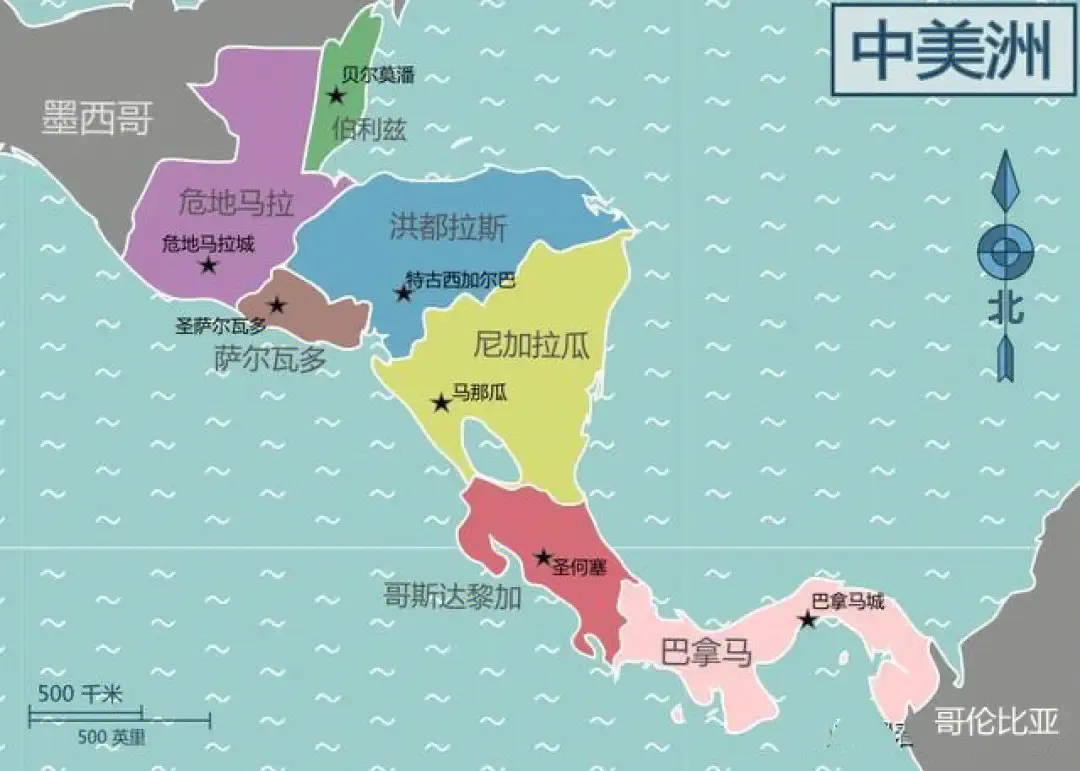
The country is divided into seven major coffee-producing regions: Western Valley (Valle Central Occidental), Central Valley (Valle Central), Tarrazú, Tres Ríos, Orosi, Brunca, and Turrialba. Most of these regions are situated in higher-altitude mountainous areas, with Tarrazú being renowned for its stable and superior quality as one of Costa Rica’s most representative regions. In contrast, Brunca is located in the southern border area, adjacent to Panama, and was historically focused on producing commercial-grade beans with relatively ordinary flavor profiles.
However, the Brunca region boasts unique geographical advantages—it lies at the intersection of mountainous terrain and tropical zones, giving rise to diverse microclimates. With an average annual temperature of around 24°C, the climate is hot and humid, and the undulating terrain and varying altitudes create distinct microclimate zones. These conditions have attracted small-scale farms in recent years to experiment with and cultivate specialty coffee.
In the latest Costa Rican COE (Cup of Excellence) competition, La Torre Estate in the Brunca region won second place in the Natural & Honey category with its sundried and honey-processed Geisha coffees, scoring an impressive 92 points, drawing significant market attention. This marks not only a major breakthrough for the region but also proves that with the right processing methods and meticulous management, Brunca can also produce top-tier coffee.
La Torre Estate is part of Corazón de Jesús company, founded by the Alvarado Fonseca family. The family began cultivating coffee in 2012, officially established the company in 2015, and took over management of La Torre Estate in 2017. Covering just 2 hectares, this estate is a small-scale experimental farm, yet it is among the first in the Brunca region to introduce the Geisha variety and one of the highest-altitude种植 locations in the area, planted at an elevation of1,950 meters.
La Torre Estate places a strong emphasis on environmental sustainability and ecological balance, consistently implementing conservation measures while actively experimenting with innovative processing techniques and new varietal cultivations. In 2021, the estate achieved 5th place in its first COE competition, showcasing the region’s potential to produce high-quality coffee. This year, it achieved another milestone by securing second place in the Natural & Honey category with 92 points, demonstrating that its flavor profile can now rival those of top estates in other renowned regions.
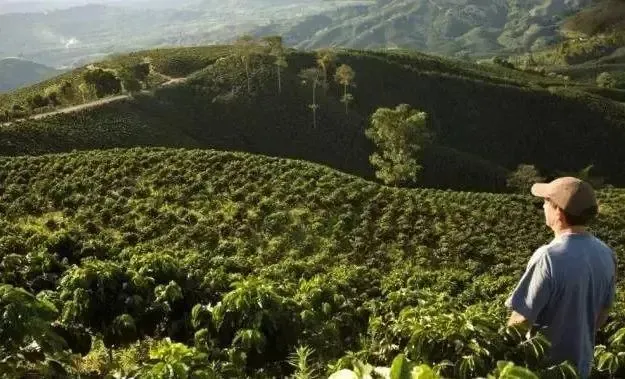
For coffee enthusiasts, the Brunca region may not have been a top choice in the past, but with breakthroughs from small farms like La Torre, the area is gradually revealing its unique flavor potential. Especially with the interplay of high altitude and microclimates, delicate varieties such as Geisha can fully express their floral, fruity aromas and complex layers. If you’re looking to explore non-traditional specialty regions in Costa Rica beyond Tarrazú and the Central Valley, Brunca is definitely worth adding to your coffee bean selection list—and a potential region worth keeping an eye on.
The above content is compiled by CoffeeHunters, a coffee news website.


