







Introduction:When quality control inspections become the biggest source of daily pressure for baristas, an accidental spill of coffee has sparked deep reflection within the industry on food and beverage hygiene management. This article reconstructs the real situation of a quality control inspection through an unexpected incident at a Luckin store, and explores the coping strategies and potential challenges faced by practitioners in meeting high-standard hygiene requirements, providing practical references for those in the coffee industry.
At the chain coffee brand Luckin, quality control inspections have always been the most nerve-wracking part of store operations for employees. A newly hired employee, who had only been on the job for ten days, recently accidentally spilled a drink she was preparing when a quality control inspector made a surprise visit to the store, inadvertently drenching the inspector’s head. The incident quickly went viral on social media platforms. Although seemingly a mix-up, it profoundly reflects the psychological pressure and potential risks faced by on-site staff under strict quality control systems.
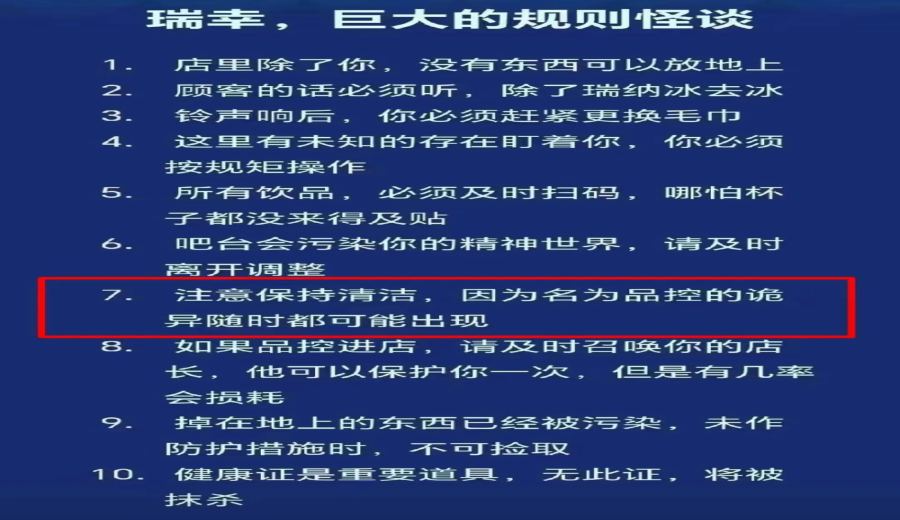
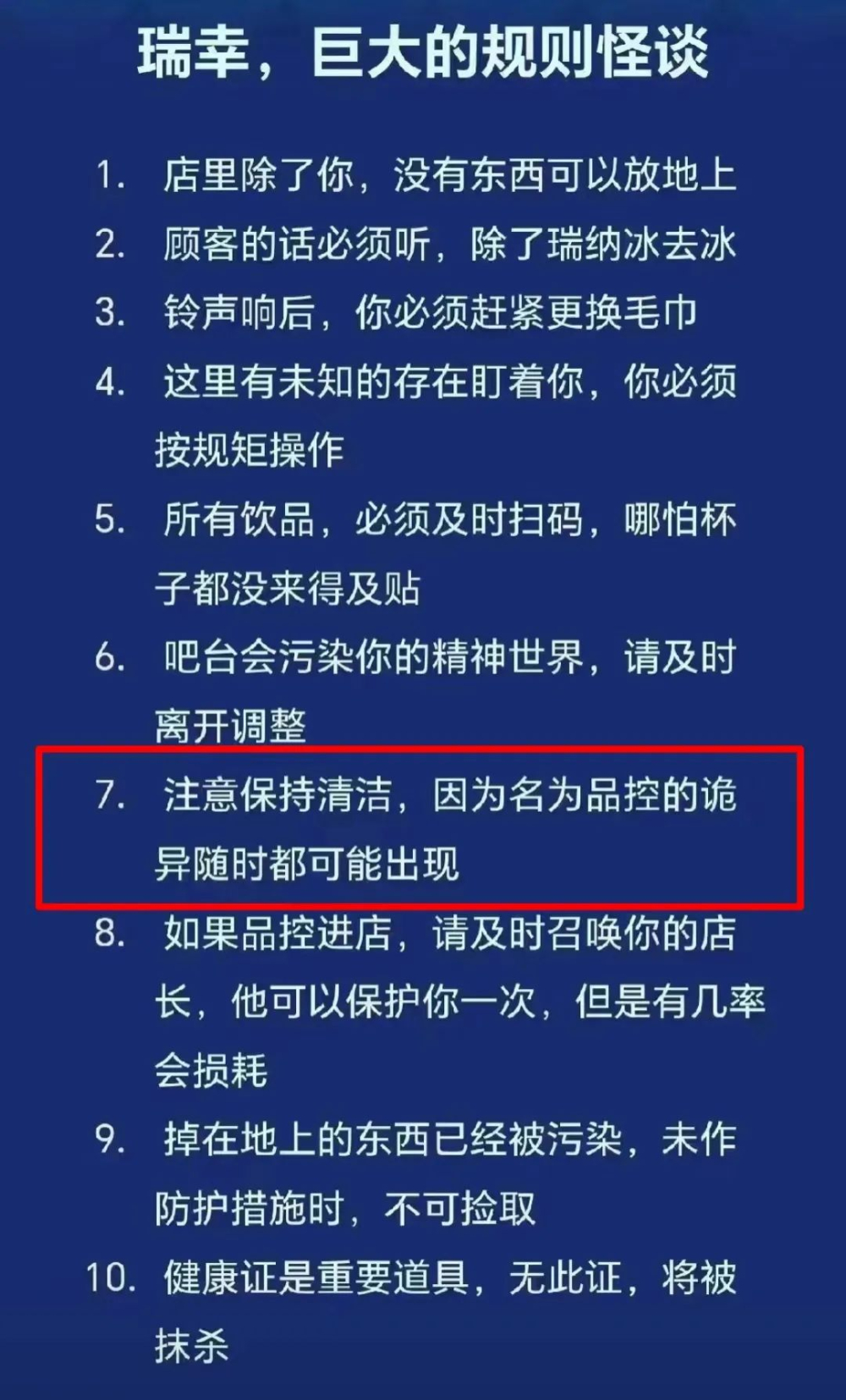
The so-called "quality control teachers" are the colloquial term used within Luckin for quality inspection personnel. These professionals have the key authority to determine store ratings and employee performance, and their inspection times and locations are unpredictable. For many store partners, compared to handling busy orders, surprise quality control checks often bring greater psychological stress. A new employee who identified herself as the involved party posted on social media that she had already been penalized for a minor mistake during the morning shift, and then, due to nervousness, accidentally spilled the coffee at noon, causing all her previously hidden stress to erupt at once.
According to the employee, when the quality control inspector arrived, she was busy handling drinks and accidentally spilled the freshly brewed coffee due to a slip of the hand. The quality control inspector, unprepared for the sudden incident, initially thought it was a ceiling leak. Although the store manager immediately apologized and tried to calm things down, the inspection ultimately only scored 86 points, far below the usual expected standard. The involved employee is now facing further internal handling by the store and has been given a one-week observation period, with her continued employment still uncertain.
Similar incidents are not isolated at Luckin stores. According to social media discussions, some stores have accidentally spilled liquids during inspections of cabinet bottom hygiene due to inadequate cleaning. Another employee recalled having temporarily placed unfrozen juice in the personal belongings of a quality control inspector in order to avoid violating the first-in-first-out principle, which ended up being exposed unexpectedly. These cases highlight the psychological impact of quality control inspections on on-site staff, as well as the unconventional coping behaviors that may arise in the pursuit of meeting standards.
To cope with sudden quality control inspections, many store employees privately establish information-sharing groups to instantly share updates on inspectors’ movements, inspection priorities, and precautions. In addition to basic cleanliness maintenance, stores often conduct internal preparations in advance to ensure that all equipment and material storage meet regulations, avoiding losing points over minor details. It’s worth noting that quality control scores not only affect the overall rating of the store, but also directly relate to employee rewards and punishments, including performance evaluations, job adjustments, and even retention.

In the face of high-standard hygiene and quality requirements, practitioners not only need to strictly follow daily cleaning procedures, but also familiarize themselves with common inspection focuses, such as sterile management in the beverage preparation area, temperature control for ingredient storage, and the completeness of utensil disinfection records. Professional advice suggests that conducting regular internal mock inspections helps reduce the likelihood of unexpected situations and enhances the team’s ability to respond.
Although the coffee-spilling incident ended as a minor accident, it also reminds the industry that the implementation of quality control systems, in addition to strict standards, must also balance humanization and practical operational considerations. For practitioners, understanding the core values behind quality control and establishing the correct concept of hygiene management are the keys to long-term stable operations.
At the end of the incident, the store manager mentioned in a screenshot replying to the employee: “Luckily it was iced coffee; if it had been hot coffee, the consequences wouldn’t have been something you could handle.” This statement also highlights the potential risks and unpredictability at quality control sites, which is worthy of deep consideration by all coffee industry professionals.

The above content is compiled by CoffeeHunters, a coffee news website.


