







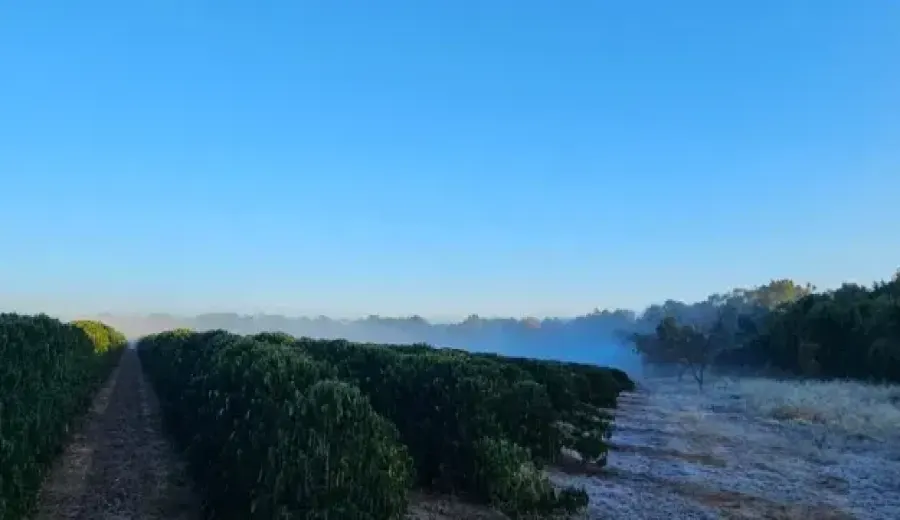
Introduction:Southern Brazil has recently experienced an unusual cold snap, with temperatures dropping below freezing in many areas and even setting a new national record low. This wave of extreme cold not only poses challenges to the coffee harvest season that is already coming to an end but may also severely impact the growth of coffee crops for the upcoming 2025/26 season, causing rapid increases in both Arabica and Robusta coffee futures prices. This article delves into the causes of this extreme weather, affected regions, the actual impact on coffee crops, and possible future market trends.
Since last week, a powerful cold front has swept across southern Brazil, triggering widespread low temperatures and extreme weather conditions, including snowfall, freezing rain, strong winds, and high waves. In the mountainous areas of southern Minas Gerais, record-breaking low temperatures were recorded, significantly impacting local coffee plantations predominantly planted with Arabica varieties. Meanwhile, reports of snowfall have also emerged from Santa Catarina and Rio Grande do Sul, affecting port operations. The Port of Santos, in particular, saw cargo disruptions due to rough seas.
The origin of this cold snap is the combined effect of temperate cyclones from the South Atlantic and polar cold air masses. Initially, polar cold air surged into southern Brazil, followed by the intensification of a temperate cyclone, which drove the cold air deeper into the interior, resulting in extensive cooling. According to official data, some parts of Santa Catarina recorded-6.8°C low temperatures, while São José dos Ausentes in Rio Grande do Sul registered-5.3°C — both figures being extremely rare.
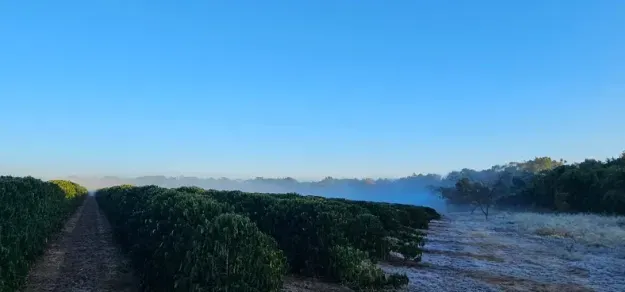
In addition to the southern regions, the central-west and southeastern areas were also affected by the cold spell. For instance, inland areas of Mato Grosso do Sul saw temperatures drop close to0°C, while São Paulo and Rio de Janeiro experienced the coldest August weather in 13 years. Official data shows that the lowest temperature in Rio was just8.3°C, which is unusually cold given the local climate context.
However, the most concerning development was in the mountainous region of southern Minas Gerais, which is not only a key Arabica coffee-producing area in Brazil but also recorded the country’s lowest temperatures during this cold wave. Weather station monitoring indicated that actual temperatures in the area ranged between-6.4°C and -6.9°C , far below the tolerance limit of coffee plants. For coffee trees that are either growing or have just completed harvest, the impact is profound.
It is also worth noting that this cyclone caused unusual sea conditions along the Brazilian coast, especially from Santa Catarina to Espírito Santo, where wave heights exceeded4 metresat times. As a result, the Port of Santos — Brazil’s most important coffee export hub — had to temporarily suspend ship traffic, further affecting the efficiency and stability of the global coffee supply chain.
Although Brazil’s winter generally runs from June to August, and the official winter season is expected to end on August 31, meteorological agencies indicate that the winter effect may persist until September 22, the autumn equinox, meaning that cold weather challenges will continue in the coming weeks. There are also forecasts predicting another significant cold spell in the second half of August, particularly impacting the southern regions more severely. At the same time, experts have expressed concern about the potential development of La Niña, which, if it materializes, could further worsen Brazil’s climatic conditions.
Currently, the new harvest season in Brazil is nearing its end, but market concerns about this frost event have not diminished, as the low temperatures not only affect the current season’s yield but may also harm the growth of coffee trees for the 2025/26 season. Especially for Arabica varieties in the mountainous areas of Minas Gerais, if plants in critical growth stages suffer frost damage under cold conditions, not only will the current yield be reduced, but there may also be a risk of decreased production for the following year.
Compounding the issue, frost accompanied by rainfall may prompt coffee trees to flower prematurely, and immature flowering tissues are even more sensitive to low temperatures, thereby exacerbating frost damage. Conversely, if rainfall is insufficient and the soil becomes too dry, it can also affect the water absorption and nutrient transport of coffee plants, ultimately leading to reduced coffee quality and lower yields. In fact, the 2024/25 Brazilian coffee crop already saw a reduction in yield per unit due to drought, and now, with the added factor of extreme cold, market concerns about future supply are growing.
Amid the interplay of these multiple factors, the futures prices of both Arabica and Robusta coffee have seen sharp increases recently. Investors and stakeholders across the coffee industry are closely watching future weather patterns and the latest official yield assessments from Brazil. Market volatility is likely to continue for some time.
The above content is compiled by CoffeeHunters, a coffee news website.


