








Introduction:Many coffee enthusiasts wonder if larger coffee beans produce a richer flavor. A certain coffee brand conducted an actual cupping comparison between large and small beans of Costa Rica Mozart variety and found that flavor performance is not absolutely related to bean size. This article combines altitude grading systems, cupping data, and processing techniques to analyze the three key factors that truly determine coffee flavor, and debunks common misconceptions about bean size.
What exactly are the standards for coffee bean grading? Do larger beans necessarily mean richer flavor? To clarify these common questions, a certain coffee brand specifically selected the Mozart variety from Costa Rica for a cupping experiment. We divided the same harvest of coffee beans into large, medium, and small categories based on bean size, then selected the largest and smallest beans with the most noticeable size difference for a blind extraction test. The experimental results showed that there were indeed slight differences in flavor performance between the two, but contrary to general expectations, the smaller beans slightly outperformed in flavor. However, this difference mainly stemmed from variations in heat absorption during roasting due to differing particle sizes, rather than the size of the beans themselves. In fact, the core factors that influence coffee flavor primarily include varietal genetics, growing environment, post-harvest processing methods, and roast level.

To further explore the relationship between coffee bean size and flavor, we specifically selected coffee beans from the Costa Rica growing region as test samples. Since the grading system in this region is primarily based on planting altitude, it is common to see significant differences in bean size even within the same harvest. In the absence of professional sieves, we instead manually sorted the beans by eye, roughly categorizing them into large, medium, and small size grades, then selected the most extreme large and small beans for a flavor comparison.
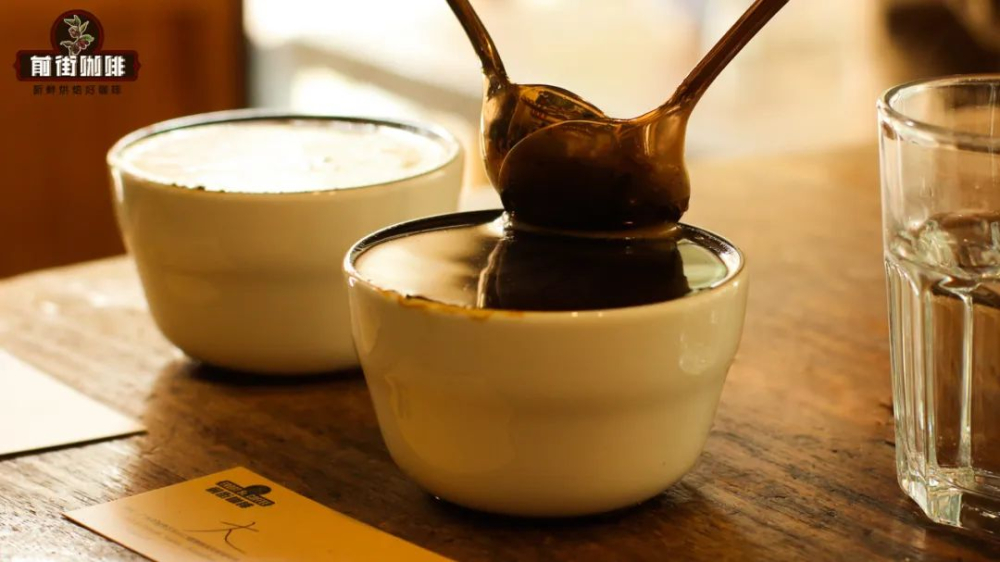
The cupping experiment used standardized pour over parameters: 12 grams of coffee grounds per serving, 200 milliliters of hot water, a water temperature maintained at 94°C, and a coarse grind for a four-minute immersion extraction. This method effectively reduces human operation variables, allowing us to more accurately capture the subtle differences in flavor presentation between the two different-sized beans.
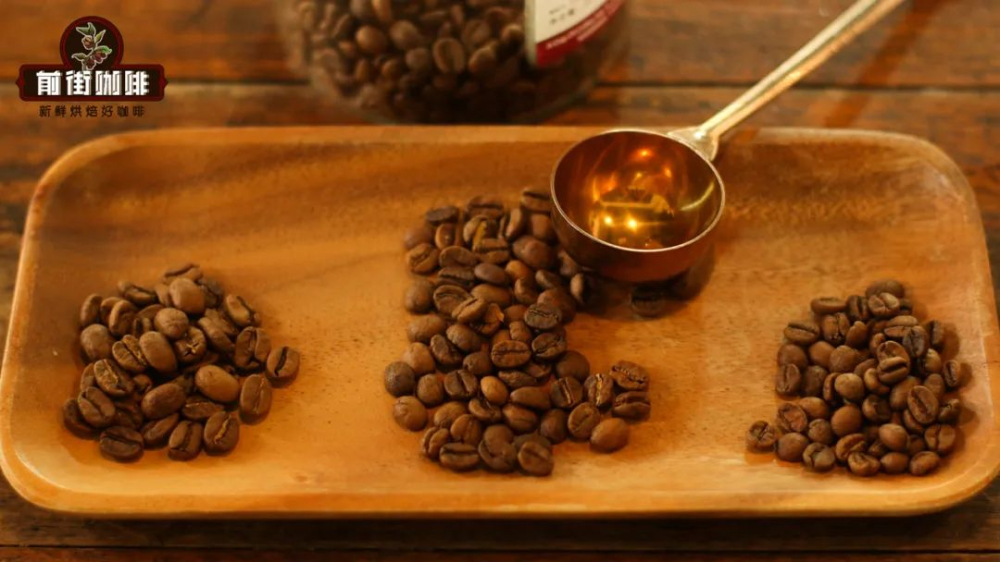
The cupping results showed that there were indeed identifiable differences in flavor performance between the two samples, but contrary to the traditional belief that "larger beans have a richer flavor," the smaller beans actually demonstrated slightly more prominent flavor, although the difference between the two was quite minimal. It’s important to note that this flavor difference mainly resulted from uneven roasting caused by differing bean sizes, rather than a direct effect of the beans’ physical dimensions. Excluding the variable of roasting, the inherent flavor differences between the two are virtually negligible.
In fact, simply observing a few commonly available extreme-size beans on the market can validate this conclusion. For example, the famously small-sized Ethiopian 74158 variety and the famously large-sized Elephant Bean Pacamara—representing the two extremes of coffee bean size—both have received high market acclaim for their flavor performance. This shows that there is no direct causal relationship between the physical size of coffee beans and their flavor performance.
The true core elements that determine the quality of coffee flavor can be summarized into the following three key stages:Growing EnvironmentAccording to research by Mr. Han Huai-zong in “The World of Specialty Coffee,” about 70% of a coffee bean’s flavor potential is determined by genetics, with the remaining 30% significantly influenced by the ecological conditions of the growing location, including altitude, soil composition, annual rainfall distribution, and sunlight hours. Especially the altitude factor—when the same variety of coffee is grown at higher altitudes, the longer maturation period allows more time for flavor compounds to accumulate, ultimately resulting in a richer flavor profile.
Next isPost-Harvest Processing Method—after the basic flavor outline of the coffee beans is formed, different processing methods can enhance or adjust their flavor characteristics. For example, consumers who prefer complex layered flavors can opt for the natural sun-dried process, which imparts a richer fruity aroma through complete fruit fermentation; while those seeking a clean and refreshing taste may choose the less fermented washed process, yielding a clearer and brighter acidity.
Finally, there's the control ofRoast Level—this is the crucial turning point where green beans are transformed into a beverage. Appropriate roasting can fully unlock the inherent flavor potential of the beans, but insufficient or excessive roasting can both lead to subpar flavor performance. As observed in this experiment, because smaller beans are harder to heat evenly during roasting, any lack of precise temperature control can result in incomplete flavor development.
Combining experimental data with industry practical experience confirms that the correlation between the physical size of coffee beans and their final flavor performance is extremely low. The real focus should be on the innate conditions of varietal genetics, the ecological traits of the growing environment, and the technical execution of subsequent processing and roasting. These are the true key factors that determine the flavor quality of a cup of coffee.
The above content is compiled by CoffeeHunters, a coffee news website.


