







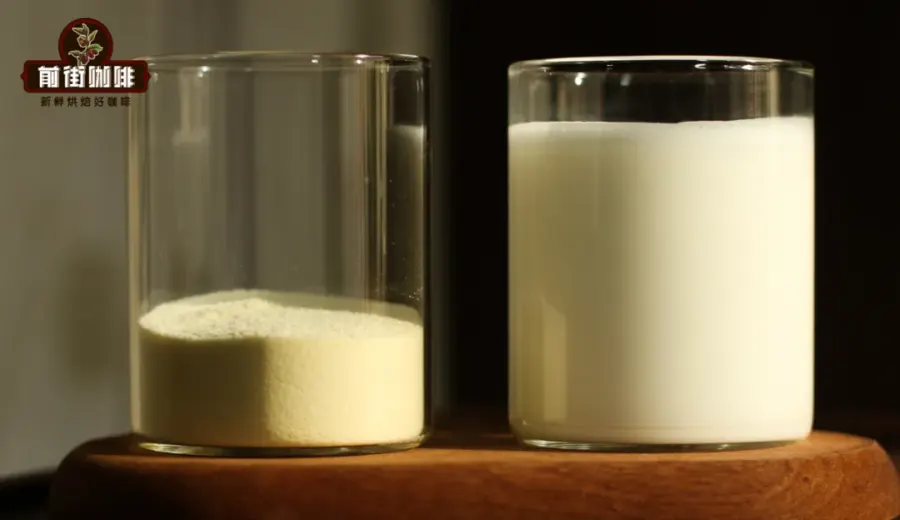
Introduction:Want to brew the perfect latte? Choosing the right milk is key. Common options like fresh milk, concentrated milk (e.g., ice-brewed premium milk), and plant-based milk each have unique characteristics—even powdered milk can be used in milk coffee. But why do most professional cafés avoid using powdered milk? This article dives deep into comparing different milk sources in lattes—flavor, concentration, ease of use—along with practical tips and precautions, helping you select the best milk for your needs to craft that ideal rich foam layer and balanced taste.
The choice of milk is absolutely critical to making a memorable latte. With countless types of milk on the market—from common fresh milk to specially processed concentrated milk (such as the highly praised ice-brewed milk) to plant-based alternatives for specific dietary needs—each milk source imparts a distinct flavor and texture to the latte. Concentrated milk, in particular, due to its enrichment process, boosts milk aroma and sweetness, often resulting in a more layered and robust flavor profile. However, many coffee enthusiasts wonder: since powdered milk is also made from milk, why is it rarely used to make lattes?
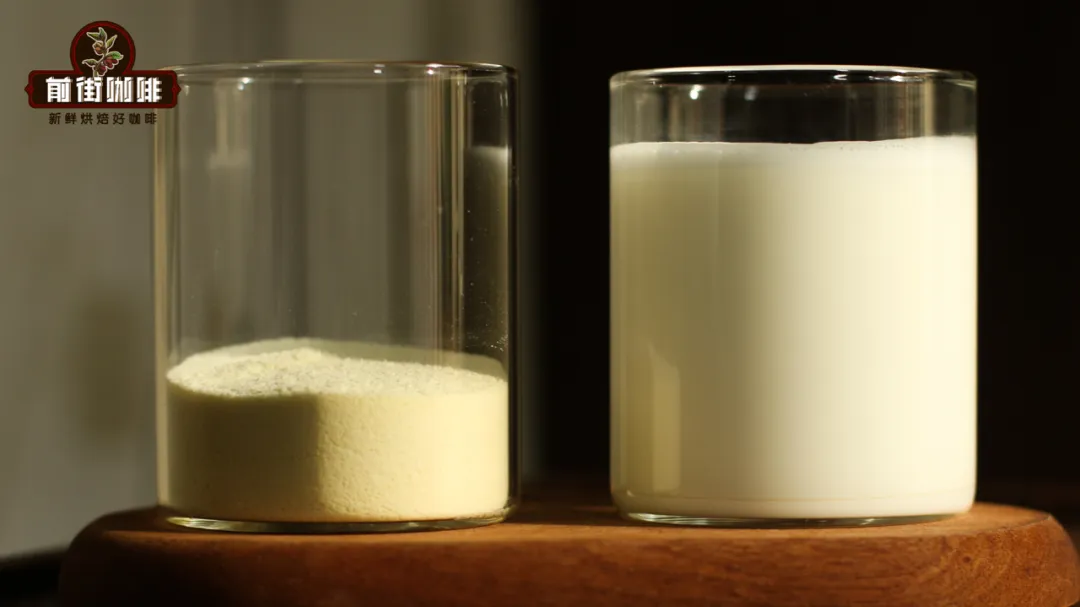
In truth, the variety of dairy products is wide, and each has its most suitable application. For instance, if you're aiming for a richer, naturally sweeter milk coffee, you might consider using concentrated milk instead of regular fresh milk. This type of enriched milk, with some water removed, has a higher ratio of milk fat and protein—not only creating denser, more stable microfoam, but also delivering a smoother mouthfeel and more focused flavor. On the other hand, for those who are lactose intolerant, plant-based milk offers a good alternative. Though its flavor is quite different, it still allows for crafting a unique latte of your own.
However, when it comes to powdered milk, many assume that since it's derived from milk, it should perform similarly. In reality, powdered milk differs significantly from fresh or concentrated milk in terms of solubility, flavor restoration, and foam performance. First, powdered milk requires precise control of water temperature and stirring time to dissolve completely; any misstep can lead to clumping, directly affecting the drink’s texture. Furthermore, once reconstituted, powdered milk typically lacks the freshness and aromatic complexity of fresh milk, especially in a latte where the harmony between milk and coffee is key—subtle flavor differences become more pronounced. Also, foaming powdered milk often results in less fine and less stable foam, posing a challenge for baristas or home brewers aiming for perfect latte art.

Therefore, while powdered milk can theoretically be used to create a milk-like base, in practice—whether at home or in professional shops—fresh and concentrated milk remain the top choices. Especially concentrated milk, due to its inherently rich nature, can naturally enhance the sweetness and aroma of a latte without extra sugar or flavorings, making it something of a hidden gem for many coffee lovers. If you want to recreate café-quality milk coffee at home, start by selecting high-quality fresh milk or trying store-bought concentrated milk, gradually finding the milk combination that best suits your taste.
Of course, for consumers with special dietary needs, plant-based milk offers another option. However, given the significant differences in composition—such as fat content, protein structure, and pH level—plant-based milk may affect foam formation and overall flavor balance. It’s advisable to pay attention to the characteristics of different brands and adjust the coffee-to-milk ratio accordingly to achieve the best taste experience.

In summary, choosing milk for a latte isn't just about flavor preference—it also involves practical ease of use and the final presentation. Fresh milk provides a natural milky aroma and silky texture, concentrated milk delivers a more intense taste with its high concentration, and although powdered milk is technically feasible, limitations in solubility, flavor reproduction, and foam quality make it less favored by professionals. By understanding these differences, you’ll be better equipped to choose the most suitable milk based on your needs and conditions—whether enjoying a relaxing moment at home or attempting to replicate café-grade latte art—you’ll handle it with ease.
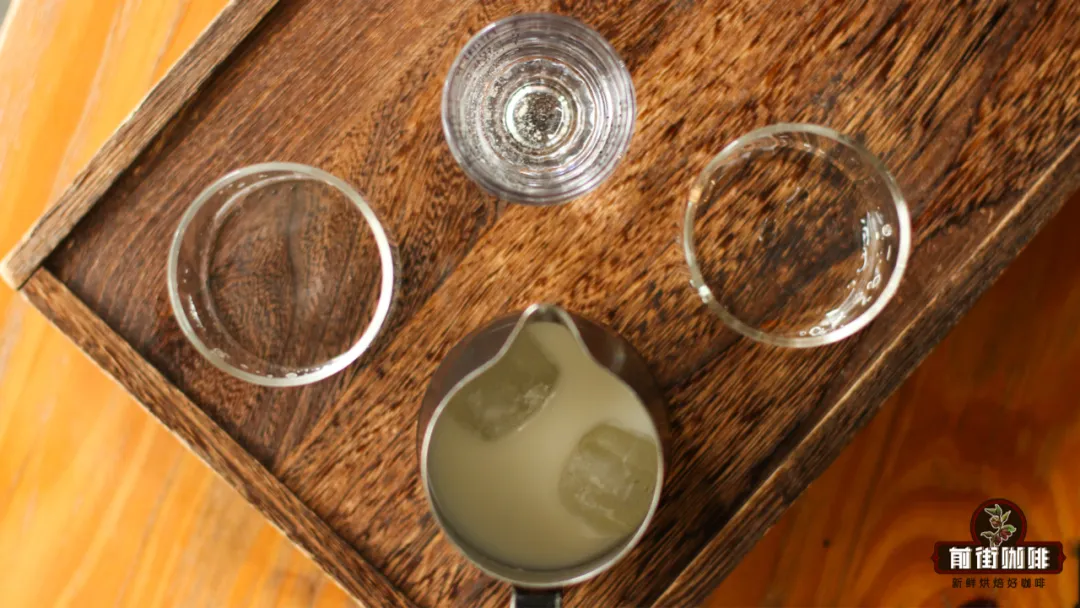
A reminder to all coffee lovers: when selecting milk, besides considering flavor and texture, don’t overlook the freshness and storage method of the milk, as these details directly impact the final quality of the latte. Additionally, based on the characteristics of different milk sources, it’s recommended to adjust coffee extraction parameters and ratios to fully realize the potential of your milk coffee, making every sip a delightful surprise.

Whether you're a beginner or an experienced coffee enthusiast, understanding how various milk sources perform in latte preparation is an important step toward elevating your home coffee experience. Through continuous experimentation and adjustment, you’ll find your own perfect milk coffee combination and enjoy the joyful moments brought by each thoughtfully crafted latte.
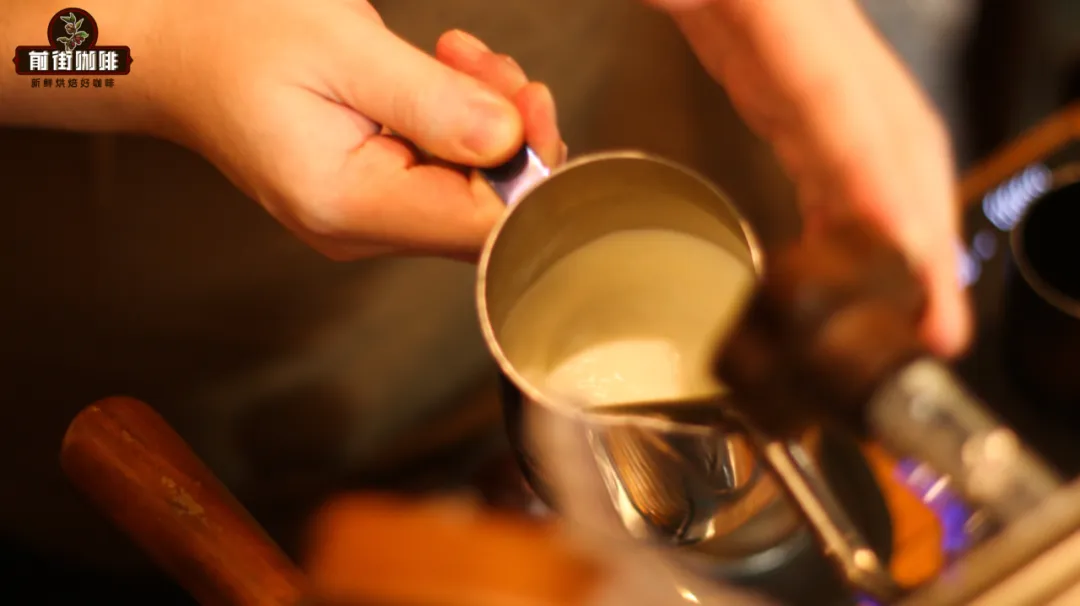
Lastly, don’t forget to observe the fineness and stability of the foam during actual preparation—this is often one of the key indicators of whether a milk source is suitable. No matter which type of milk you choose, careful adjustment and patient practice are the secrets to crafting an outstanding latte.

We hope this analysis and set of recommendations will help you make the most suitable choice among various milk sources—whether you’re pursuing intense flavors, unique textures, or looking for a lactose-free alternative—you’ll be well-equipped to enjoy your own unique coffee journey.

From fresh milk to concentrated milk, and from plant-based milk to powdered milk—each milk source has its distinct traits. Understanding their pros and cons in latte applications will make you more adept in your coffee journey, allowing you to serve a stunningly perfect latte whether at home for leisure or for entertaining guests.

Continue exploring the possibilities of different milk sources, discover your optimal latte recipe, and make every cup a feast for the palate.

The above content is compiled by CoffeeHunters, a coffee news website.


